
Top 5 Meal Planning Tips for Muscle Gain 

Eating for muscle gain: What to eat and when
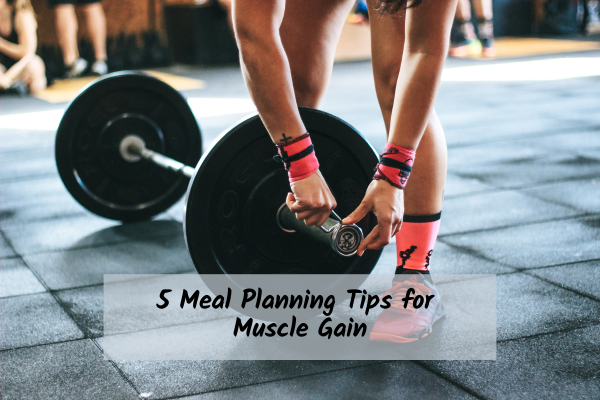
Feeling strong and powerful in your own body is a feeling, in my opinion, unmatched. I love the feeling of achieving big lifts and being able to move my body in new ways that I had once thought impossible. Part of why these accomplishments feel so rewarding is that they can take time to achieve, so the payoff is extra sweet. (For me, it was the elusive pull-up with my extra-long arms!)
When you are looking to put on muscle mass, there are several things to keep in mind. Unfortunately, it is not necessarily as easy as most of us would like.
Key Takeaways:
- Eat enough food: Aim to feel satisfied at meals and snacks—small increases add up over time.
- Eat often: More frequent meals and snacks (4–5 times daily) help boost total intake.
- Balance nutrients: Protein is key, but don’t forget carbs and fats—they all work together to support muscle growth.
- Get colourful creatively: Use cooked veggies, smoothies, soups, and juices to get nutrients without feeling overly full.
- Prioritize rest and recovery: Muscles grow when you sleep and recover, not just when you train.
- Focus on nutrition first: Build strong habits with food before turning to supplements.
1. Eat Enough Food
When you do eat, try to eat to fullness—not so much that you feel stuffed or sick, but you should feel full at the end of each meal, and snacks too if you can.
Tip – Add a scoop or a small portion more to each part of your meal.
This might mean an extra couple of bites at each meal, an extra scoop of mashed potatoes, or packing a sandwich and a half instead of just a sandwich.
2. Eat Often Enough
For many people, it is hard to simply eat more at each meal. Instead, we work on the frequency of eating to help increase the total amount of food consumed.
Tip – If you normally eat three times a day, try eating 4 or 5 times a day instead.
It may be helpful to set a schedule at first, because your hunger cues will not trigger you to eat often enough until this becomes a consistent pattern.
3. Balance the Intake – More Than Just Protein
When it comes to gaining muscle, most people remember the protein. However, don’t forget about the other nutrients! We need to have carbohydrates and fats coming in too in order to build the muscle mass that we want!
Tip – Look for a source of carbohydrate, protein, and fats in all meals.
4. Get Colourful in Creative Ways (Cooked, Smoothie, Juices)
Often, when you are first trying to eat more, you may find fruits and vegetables to be super filling, and can be a limiting factor in how much a person can eat because of their higher fibre content. However, there are some strategies we can try to help still get in those very important vitamins and minerals for muscle growth.
Tip – eat your fruits and veggies in a lower volume way
Try cooking vegetables instead of eating them raw, as these are often tolerated better when we are working to eat more.
Blend vegetables and fruits into soups, smoothies, and sauces so that they take up less space.
Include fruit and vegetable juices in your meals and snacks.
5. Rest and Recover
Your muscles and strength will not grow if you do not recover adequately. This means taking rest days off from working out and ensuring you get enough sleep and downtime to allow for the repair from the work you put in.
Tip – Schedule in your rest days ahead of time and check in with how your body is feeling.
There will be times when taking an extra day away from the gym is more effective in achieving your goals than working out when your body is exhausted or rundown.
Before you look at adding supplements for muscle gain, make sure you have done your due diligence using your nutrition strategies first. This will help ensure that you have all the steps in place to give you the best chance of achieving your goal.
If you have any questions about how to implement these strategies in a way that works for you, your lifestyle and your taste preferences or would like more concrete meal plans for muscle gain, reach out to us at Health Stand Nutrition.
Interested in seeing a difference from your workouts and diet? Want more structured meal plans for muscle gain? We’re here to help!
Don’t forget to check your health insurance! Many insurance plans cover Dietitian services.
Check out these related blogs on our website:

Jana Spindler
Disordered Eating, Emotional Eating & Sports Nutrition
Fitness enthusiast and lover of all things food, Jana is passionate about helping her clients improve their relationship with food and their body. She is a strong, motivational leader. Jana also offers the balance of a warm, supportive coaching style to nudge her clients from their comfort zone while feeling safe and supported. She specializes in mental health, eating disorders, body image and sports nutrition.
...Read more
