
Intersection of Weight Stigma in Indigenous Populations 

Uncovering the intersections of racism and body image along with resources in the Calgary area
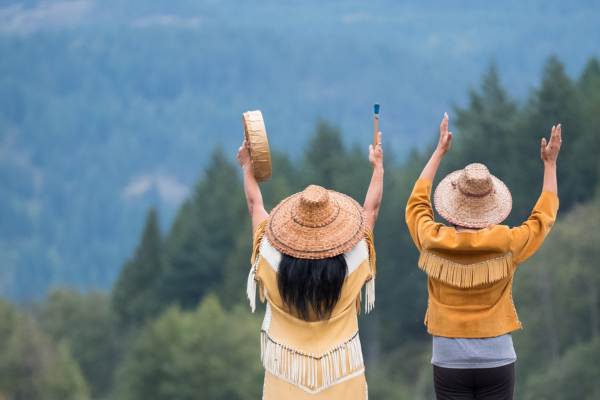
As we celebrate Indigenous [Peoples’] History Month this June, it’s timely to shine a light on the overlooked issue of weight stigma in Indigenous communities. Weight stigma perpetuates harmful stereotypes that undermine the cultural resilience this month aims to promote.
Below, you will explore the racist roots of weight stigma in Indigenous communities including its historical context, contemporary manifestations and areas/ways you can support cultural revitalization.
What is Weight Stigma?
Weight stigma refers to negative attitudes, beliefs, and stereotypes directed towards individuals based on their body weight or size. It can manifest in various forms, such as discrimination, bullying, or social exclusion.
The Historical Context of Weight Stigma in Indigenous Communities
Before colonization, Indigenous communities held deep reverence for Mother Earth and embraced bodies as sacred gifts from the Creator. The practice of sharing nutritious foods fostered communal harmony. Larger bodies were revered for their symbolism of strength, skill, and abundance. However, the arrival of Europeans created a seismic shift in cultural values and norms that perpetuate harmful stereotypes, and instilled fear and shame around Indigenous bodies.
Europeans during the Renaissance and Industrialization era were experiencing a transformation in beauty ideals, with thinness and moderation becoming markers of status and power, particularly over larger-bodied enslaved Black individuals. Author, Sabrina Strings, highlights the historical roots of fatphobia extensively in Fearing the Black Body, showcasing how body size validates race, class, and gender prejudice, rather than health. This subconscious value of non-inclusive, Eurocentric beauty standards to gain power permeated society affecting other colonized groups including Indigenous bodies.
Colonizers weaponized religion to further ostracize Indigenous bodies, associating larger bodies with gluttony and inferiority. In residential schools, children at higher weights were subjected to starvation tactics to reduce body size and instill “self-discipline”. The malnourished children were often too weak to defy mistreatment, leaving them susceptible to sexual violence, disordered eating, and even then, the development of diabetes.
The effects of these traumas are still seen today in addition to the collective pressure all individuals experience to be an “ideal” body size. White, thin models and celebrities dominate mainstream media marginalizing larger bodies.
The Intersections of Health, Weight, and Oppression
Fatphobia and weight stigma are now equipped with the health and wellness industries as “obesity” becomes further pathologized.
As Monica Cyr writes “Prescriptive weight loss in the name of health is steeped in colonial hypocrisy”. Weight as a marker of health is not only unethical due to its limitations but distracts from more crucial markers of health such as experiences with racism, and economic and social disparities such as the genetic effects of historical starvation and psychological trauma, fetal development, non-discriminatory healthcare, sleep disorders, food insecurity and more.
There is also a lack of scrutiny towards the absence of scientific evidence in diverse Indigenous groups. Stigmatizing Indigenous peoples’ for their weight via Eurocentric classifications of obesity directly opposes reconciliation as it only elevates Eurocentric health standards and subsequent shame and stigma in oppressed groups.
Studies do show Indigenous peoples experience barriers to accessing healthcare due to discrimination from healthcare providers and internalize negative stereotypes about their health and bodies. The ongoing weight stigma can lead to increased levels of stress, anxiety, and depression among Indigenous peoples, impacting their overall self-esteem and body image. Gendered expectations and stereotypes further compound weight stigma for Indigenous women and Two-Spirit individuals, who face heightened scrutiny and judgment based on both their gender and body size.
As we can see, weight stigma intersects with various forms of oppression, including racism, sexism, and socioeconomic inequality, creating complex and interconnected systems of marginalization that disproportionately impact Indigenous peoples.
Reducing Weight Stigma with Cultural Revitalization
Cultural revitalization efforts during Indigenous History Month (June 1 – 30), Aboriginal Awareness Week Calgary (June 19 – 25) and National Indigenous Peoples Day (June 21) aim to promote holistic well-being and challenge mainstream narratives about body image and health within Indigenous communities. Indigenous-led initiatives reclaim Indigenous knowledge and practices related to food, body image, and wellness, empowering individuals to reconnect with their cultural identities and ancestral wisdom.

Examples of cultural revitalization efforts in the Calgary area include:
- Indigenous-led health and wellness programs that integrate traditional practices such as ceremonial fasting, storytelling, and land-based activities into modern healthcare approaches.
- Makoyoh’sokoi (The Wolf Trail Program) is an 18-week long, holistic wellness program that was created by and for Indigenous women.
- IndigenousNutritionist (Sharon Swampy, Registered Dietitian and Certified Diabetes Educator) for nutrition content related to balancing blood glucose from a culturally competent approach
- Community gardens and food sovereignty projects that promote access to traditional foods and support sustainable agricultural practices.
- Bow Valley Food Alliance fosters community-based food systems that are equitable and ecologically-regenerative, resulting in food sovereignty for all of the diverse communities in the Bow Valley. See more for Reconciliation Resources
- Cultural workshops and events that celebrate Indigenous art, music, dance, and storytelling, fostering a sense of pride and belonging among community members.
- Collaborative partnerships between Indigenous communities and healthcare providers to develop culturally appropriate resources and services that address the unique needs and challenges faced by Indigenous peoples.
- Centre for Sexuality for education, training, and counseling in relation to Two-Spirit and oppressed groups
Confronting the racist roots of weight stigma in Indigenous communities requires a holistic understanding of historical legacies, cultural resilience, and intersectional identities. By celebrating Indigenous resilience and supporting cultural revitalization efforts, we can collectively challenge mainstream narratives about body image and health, promote holistic well-being, and honor the strength and resilience of Indigenous peoples.
Are you looking for a Dietitian to help heal your relationship with food and your body?
If you are struggling with a medical condition or perhaps just want to learn how to eat better, we are here for you. We specialize in weight concerns and emotional eating, eating disorders, digestion issues, sports nutrition, meal planning and health prevention, and medical issues like diabetes and cardiovascular disease which some members of the Indigenous community are at risk for.
Our group of global online Dietitians and Calgary Nutritionists do our best to provide inclusive, affirming, welcoming and culturally sensitive support for the indigenous community through our nutrition counselling services.
Our ultimate goal is that you love food and love the body you live in.
Every person deserves compassionate, non-judgemental, affirming care. You can find it here.
Check out these related posts below:

Paige Thomsen
women’s health, emotional eating, diabetes, heart health, digestive health, sports nutrition, eating disorders, and mental health
Some of the things we love about Paige is her infectious smile and enthusiasm alongside her outgoing social nature and welcoming demeanor. She empowers long term habit change by helping her clients create routines that respect their own unique definition of health, values, and preferences (rather than unrealistic regimes fueled by fear, guilt and will power)
