
Nutrition for Hormone Balance 

Learn how food and nutrition impact hormonal health

If you are hearing more about hormone balance these days, you might wonder what it actually means.
Balance – the word can bring up different images. But how does balance relate with hormones?
Is hormone balance like a gymnast on a balance beam, where we need to avoid falling off a hormone pathway? Is hormone balance like an old-fashioned weight scale where the goal is equal weight on both sides?
Hormones make sure the body stays on course. But if there is an underlying low hormonal condition, modern medicine is here to help! Hormones achieve balance and equilibrium when supported by proper nutrition and a healthy lifestyle.
Read on to learn all about your body’s hormone systems, how nutrition supports these systems, and what to do to support the body’s natural rise and fall of these important body chemicals.
Hormonal Control of Body Systems
Hormones are part of the neuroendocrine system. This means hormones are involved in a network of glands and organs that regulate body functions through chemical signals. These key chemical messengers assist with hundreds of body functions. Some better-known processes that are directed by hormones include:
- Metabolism
- Blood pressure, blood sugar, and temperature regulation
- Growth
- Sexual function and reproduction
- Sleep-wake cycles
- Mood
Clearly, the list shows that hormones are particularly important! But the opposite if also true – our lives impact our hormones. Consider the following:
- Metabolism is increased with exercise
- Blood pressure and blood sugar can be reduced with a healthy diet
- Cell growth/repair depends upon the foods we eat
- Mood is impacted by high amounts of coffee
In terms of hormonal function, then, it is the foods we eat that need balance to minimize stress to the body functions.
The Ultimate Diet to Support Hormonal Health
Hormones like all cells, rely upon nutrients from the diet for their formation. Hormones take what they need in foods such as:
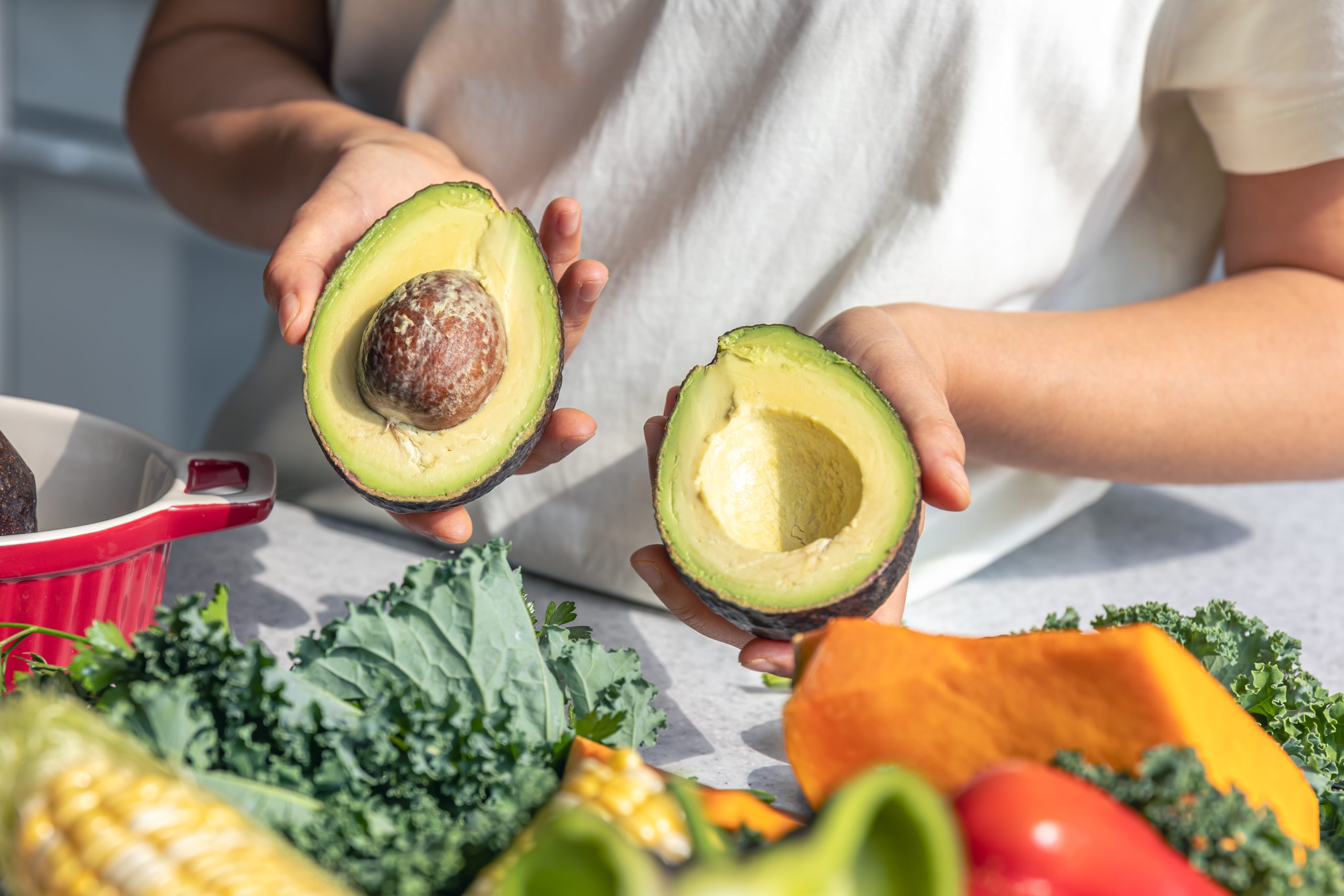
- Healthy fats like olive oil, avocado, nuts and seeds
- Fibre rich foods like grains, fruits and vegetables
- Protein like eggs, fish, meat and legumes.
A balanced diet of food that gives sufficient energy, carbohydrates, protein, fat as well as vitamins and minerals is the way to a healthy lifestyle. The best way to get what you need is to choose plenty of variety.
Lifestyle Tips to Support the Hormonal System
Our body, as a system of systems, does rely upon balance. There is that word again! The neuroendocrine system aims to stay balanced for its own purposes but might shift resources from one hormone function to support another when needed.
A common example is how life stressors raise the adrenaline and cortisol hormones. When stress hormones stay high, or become chronically elevated, there is an increased need for raw cellular materials from food for all hormones. Specific to ongoing stress, the consequence is that cortisol raises blood sugar to keep the body ready for flight, which raises insulin from the pancreas, impacting appetite to meet the need for more carbohydrate foods.
This interconnectedness of our neuroendocrine system is further shown in how chronic stress lowers sex hormones. Interestingly, low testosterone in men and low estrogen in women, have this in common:
- Decreased sex drive
- Less energy
- Weight gain
- Feelings of depression
- Moodiness
- Low self-esteem
- Less body hair
- Thinner bones
Yet, stress aside, these gender hormones are in flux at mid age just as they are in puberty, confirming that some hormonal imbalance is related to stages of life, and are also supported with nourishment, physical activity, and rest.
It is important to know that hormone imbalance is a hallmark of certain health conditions. For example, type 1 diabetes is diagnosed by the lack of the body’s insulin, and hypothyroidism also requires hormonal replacement due to poor glandular function. Medical attention is warranted in these cases and require supportive nutrition and lifestyles, too.
Nutrition and Foods for Hormonal Balance & Health
The chart below summarizes how well-known hormones interrelate with function and diet.
| Body function and hormone | How the hormone supports our bodies | How diet and lifestyle support the hormonal activity |
| Metabolism | ||
| Insulin | released from the pancreas after eating and takes glucose from the blood to cells for energy
Insulin is also the hormone responsible for storing extra sugar on the body
| Grain, starch or fruit intake at meals or snacks is best paired with a protein to provide fullness and sustained energy
|
| Leptin | released from fat cells and helps to control appetite and maintain weight
alerts the brain of fullness | When the meal includes carbohydrates, protein, plant foods, and dietary fats, all cells are satiated and signal satiety. |
| Ghrelin | stimulates appetite alerts the brain to hunger | When the blood sugar dips the signal indicates a time to eat. If ignored, the message intensifies and can drive a need for a meal higher in carbohydrates or fat |
| Thyroid hormones T3 and T4 | regulates weight, energy, temperature and growth of hair, skin, nails and more. | Daily nutrition, activity, and sleep support the body with overall health
|
| Reproductive System | ||
| Estrogen |
female sex hormone that leads to changes during puberty, helps regulate the menstrual cycle, maintains pregnancy, keeps cholesterol in check and bones strong | In the luteal stage of menstruation, halfway through the cycle, estrogen increases energy needs and appetite for carbohydrates.
After menopause and estrogen loss, energy needs are lower causing a slight reduction in the need for carbohydrate |
| Testosterone | male sex hormone that leads to changes during puberty, increased sex drive, bone density and muscle strength (in both men and women). | In teen years, testosterone increases energy needs and appetite for carbohydrates and protein.
With low growth, energy needs are lower in aging with a slight reduction in the need for carbohydrate. |
| Stress and Mood | ||
| Cortisol | released in times of stress – increases blood pressure and heart rate
chronic rise is not good for your health
| Stimulants such as caffeine and other stimulants that end in ‘ine’ (Carnitine, Taurinehigenamine, hordenine, octodrine, synephrine, and yohimbine) and guarana increase cortisol.
Also, salty foods may increase blood pressure.
|
| Adrenaline | “fight or flight” hormone – released in times of stress increases heart rate | High sugar or added stimulants as noted above can add to the feeling of anxiety.
Even healthy food stimulants such as matcha or ginseng can heighten anxiety when stress is high.
|
| Melatonin |
released at night and prepares the body for sleep
|
Melatonin in supplement form, can enhance sleep.
Aided “sleep hygiene” that includes restful activities such as warm baths, quiet reading, dim lights, no electronic screens, calming herbal teas can also improve sleep.
|
Other Factors That Affect Hormonal Health
You can help your hormones in healthful ways every day. Your hormones engage in every aspect of your health. It is your food style, meal timing, and choices that work with the hormonal processes.
Daily habits for hormonal health include:
- Consuming nutritious foods
- Eating at regular times
- Exercising regularly
- Intentional relaxation
- Getting enough sleep
- Balance your systems for optimal hormonal health
These are the ways you can balance the natural rise and fall of these important body chemicals. For more information work with a Registered Dietitian for one-on-one nutrition counselling support to ensure you have the best healthy eating advice you need for your personalized needs.
Looking for more information on navigating nutrition and hormonal support?
If you are seeking support in learning more about hormones and the impact nutrition has in the body, our compassionate team of Dietitians can help.
As university trained Registered Dietitians, you can count on us for credible advice and practical meal planning so you don’t have to stress about food anymore. You can achieve a healthy and joyous relationship with food and your body. Let’s talk about what this can look like for you.
Do you have employee/insurance health benefits? Many cover Registered Dietitian services!
Check out these other related posts on hormones and nutrition:

Brought to you by our friendly Registered Dietitian team at Health Stand Nutrition Consulting Inc. For more balanced living advice check out our RESOURCE MEGA BANK of nutrition articles, videos, healthy recipes, newsletters and meal planning kits here: www.healthstandnutrition.com/personal-nutrition/resource-mega-bank/
