
How to Drink More Water: Dietitian-Approved Hydration Tips 

Tips for drinking more water from a dietitian who finds drinking enough water challenging
I get it. As someone who struggles to drink enough water throughout the day, I understand how easy it is to forget to stay hydrated when life gets busy or when plain water just doesn’t appeal to you.
The good news is that staying hydrated doesn’t have to be complicated. With a few simple habits and creative ways to add more fluids to your day, drinking enough water can become much more manageable.
In this article, you’ll learn why hydration is important, how much water you need each day, the signs of dehydration to watch for, and practical, dietitian-approved tips to help you drink more water and stay hydrated.
Key Takeaways
- Most adults need approximately 2.2–3 L (9–12 cups) of fluids per day, depending on age, activity level, and health.
- Water is the best choice, but milk, tea, smoothies, and water-rich foods also count toward hydration.
- Signs of dehydration include thirst, dark urine, headache, fatigue, and dizziness.
- Simple habits like carrying a reusable water bottle and drinking with meals can help you stay hydrated.
- Flavoured water, herbal tea, sparkling water, and smoothies are great options if you don’t enjoy plain water.
Why do we need water in the first place?
We need water and fluids in general for transport of nutrients throughout the body, digestion of food, elimination of waste, healthy bowel movements to “keep us regular” as well as to cushion organs and joints. Fluids are also important to help us regulate our body temperature. We sweat and breathe out water to regulate our body temperature.
How much water do we need each day?
Remember that while water is the best choice for staying hydrated, other fluids such as milk, juice, tea and even fluid-rich foods such as fruit and veggies can help get you there. Despite coffee having caffeine, which is a diuretic, all is not lost since some of the water in coffee is retained. To ensure you are not consuming too much caffeine keep coffee consumption to 2 cups (500 ml) per day.
Our fluid needs depend on our activity level, age, gender and sweat rates. Obviously, hot and humid weather also increases our fluid needs as does having diarrhea or vomiting. Pregnancy and breastfeeding also increase the need for fluids in general.
As a general guideline adult males need about 3 litres (12 cups) of fluid per day and adult women need about 2.2 litres (9 cups) of fluid per day. Pregnant women need about 2.3 litres (9.5 cups) of fluid per day. Breastfeeding moms need about 3.1 litres (12.5 cups) of fluid per day.

What are signs of dehydration?
Some of the signs of dehydration can include thirst, flushed skin, fatigue, irritability and headache. You may also have dry mouth and lips or strong smelling dark colored urine. Other more serious signs of dehydration include lower blood pressure, higher heart rate, dizziness and fainting. Extreme dehydration can lead to blue lips, increased breathing rate, cold hands and feet, blotchy skin, high fever, confusion and lack of consciousness.
Note that you can be dehydrated before many of the signs appear. The best way to know if you are getting enough fluids is if you are urinating often and so that the urine is pale in color.
Tips to Drink More Water Every Day
As I mentioned earlier, even as a Dietitian I have to focus on remembering to drink enough water and fluids throughout the day. Sometimes I can get very busy and distracted and simply forget.
Here are some strategies that have worked well for me:
- Tell your coworkers that you are struggling to drink enough water and you would appreciate them giving you a gentle reminder. Nothing beats accountability with someone else!
- Drink a glass of water or fluid at each major meal or snack.
- Pack a water bottle to work and leave it on your desk as a visual cue.
- Pack a water bottle when you are running errands and on unstructured days such as weekends when you are more distracted.

Healthy Alternatives If You Don’t Like Drinking Plain Water
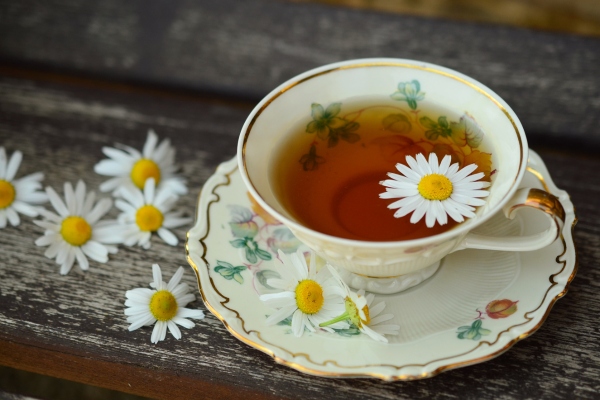
Drink Tea to Stay Hydrated
Did you know tea is the most widely consumed beverage in the world next to water?
Tea is emerging hotter than ever. Find it served hot, cold and infused into foods, cocktails and desserts.
The nutrition benefits of tea are widespread. Tea contains healthy components such as flavonoids which can be good for protecting our cardiovascular health and prevention of heart attacks, stroke and cancer.
Both green tea and black tea come from the same plant (Camellia sinensis) and contain similar amounts of antioxidants and minerals. While you may worry that tea contains too much caffeine it is cup for cup often half that of coffee.
Outside of brewing hot tea, consider a tea latte such as a London Fog, Chai tea or Vanilla Rooibos latte. Leave a large pitcher of brewed iced tea in the fridge (my favorite is pomegranate green tea served on ice). Try making a smoothie with chilled brewed tea, frozen berries, banana and yogurt.
Add Ice or Frozen Fruit to Make Water More Appealing
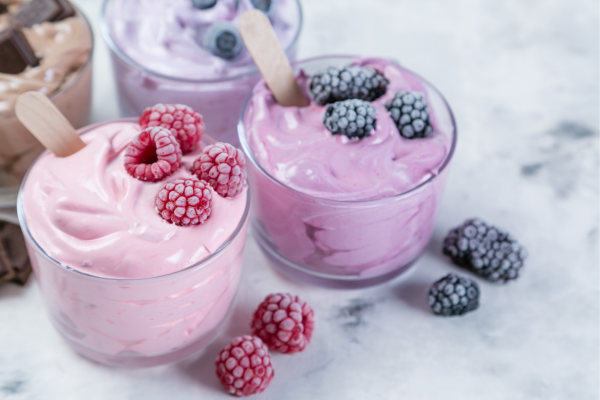
For many of us simply having chilled water can make all the difference in wanting to sip on our water bottle. Try freezing a portion of your water bottle the night before and in the morning topping it up with fresh water.
Regular ice cubes are great but you may want to consider making flavored ice cubes (freeze ice with lemon wedges, mint leaves, kiwi pieces, or other fruits for a hint of flavor)
Make a nutritious smoothie. Since smoothies can utilize a wide range of fluids not only are they a nutritious breakfast or snack they can provide plenty of fluids such as milk and unsweetened juice. Other fluid options to blend into smoothies include coconut water or cold brewed fruit-flavored herbal tea.
Try Sparkling Water for More Variety
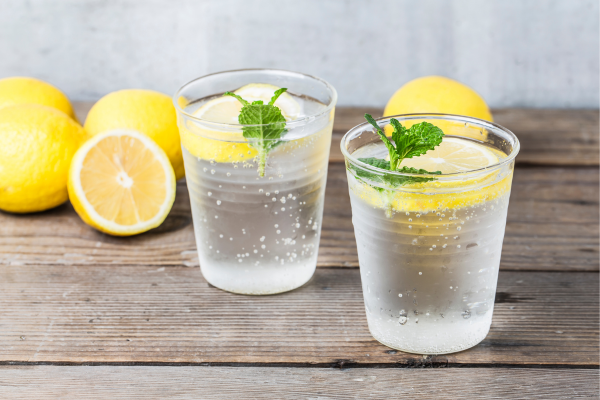
One of the most heavily utilized machines in our kitchen is a carbonated water maker. Simply adding some carbonation to make sparkling water has meant more water drinking in our homes for all of us. What I like about these machines is that they are sodium free in comparison to many club sodas on the market.
Try sparkling water with a squeeze of fresh lemon or lime or a splash of unsweetened juice for flavor. The small number of calories added to unsweetened juice can make a world of difference in helping you to get your water consumption in.
Need more support with healthy eating and nutrition?
If you’re experiencing ongoing fatigue, headaches, constipation, kidney stones, or find it difficult to stay hydrated despite your best efforts, a Registered Dietitian can help you create realistic strategies that fit your lifestyle.
Our Registered Dietitian / Online Nutritionist team has supported people with nutrition education and practical meal-planning ideas since 2000. We can work with you to simplify an eating plan that helps you take charge of your eating and feel your best.
Check out these other blog posts for more hydration tips!

About Andrea Holwegner
CEO, Registered Dietitian, Counseling Practice Director & Professional Speaker
Andrea the «Chocolate Loving Nutritionist» is founder and CEO of Health Stand Nutrition Consulting Inc. since 2000. She is an online nutrition course creator, professional speaker and regular guest in the media. Andrea is the recipient of an award by the Dietitians of Canada: The Speaking of Food & Healthy Living Award for Excellence in Consumer Education....Read more
