
Pre-Diabetes: What It Is & How to Prevent Type 2 Diabetes Through Healthy Habits 

Answering your top questions to manage blood sugar and prevent type 2 diabetes
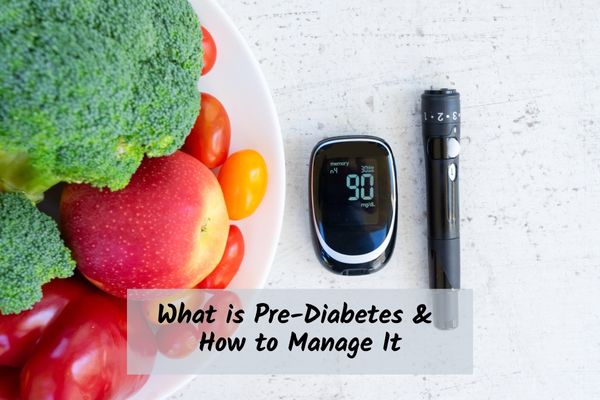
Prediabetes is a condition where blood sugar levels are higher than normal but not yet high enough to be diagnosed as diabetes. It’s a warning sign that your body isn’t using insulin effectively, but with healthy changes, it can often be reversed. In this blog post, we’ll explore what prediabetes is, its symptoms and risk factors, and how simple lifestyle habits can help prevent Type 2 diabetes.
Key Takeaways
- Prediabetes is when blood sugar is higher than normal but can often be reversed with healthy habits.
- Risk factors include higher body weight, lower physical activity levels, being over 45, and having a family history of diabetes.
- A balanced diet with whole grains, fiber, lean proteins, and veggies helps manage blood sugar.
- Regular exercise—about 150 minutes weekly—improves insulin sensitivity and energy.
- Healthy habits like portion control, planning meals, and staying active support long-term wellness.
1. What is Prediabetes?
Prediabetes is a condition in which blood sugar levels are starting to trend higher than normal because the body doesn’t process sugar properly. If left unmanaged, prediabetes can progress to Type 2 diabetes.
When we eat and digest food, our bodies produce glucose, which enters the bloodstream. The pancreas then releases insulin—a hormone that helps move sugar from the blood into our cells to be used for energy. In prediabetes, however, this process doesn’t work as effectively anymore. Sugar then begins to build up in the bloodstream instead of fueling the cells, either because the pancreas doesn’t produce enough insulin or because the cells become resistant to it. This is when diabetes is diagnosed.
Taking steps in adopting a healthy lifestyle, diet and exercise might help prevent or delay Type 2 diabetes.
2. What are the symptoms of prediabetes?
Although most people with prediabetes might not have symptoms or vary from person to person, below are some symptoms that they might have:
- Increased thirst
- Frequent urination
- Increased hunger
- Fatigue
- Blurred vision
- Numbness or tingling in the feet or hands
- Frequent infections
- Slow-healing sores
3. What are the risk factors for prediabetes?
The risk factors of prediabetes are very similar to diabetes. Family history and genetics appear to play an important role.
Risk factors:
- Body size and fat distribution may play a role, although people of all sizes can develop prediabetes.
- Larger waist sizes
- A diet that contains highly processed meat and sugary food and beverages
- Physical Inactivity
- Age of 45 years and above
- Family history
- Certain populations, including Black, Hispanic/Latinx, South Asian, and East Asian communities, may have higher rates of prediabetes due to a mix of biological, environmental, and social factors.
- Gestational diabetes
- Polycystic ovary syndrome
- Sleep apnea
- Smoking cigarettes
4. Do I need to give up my favourite foods that are high in carbohydrates if I have prediabetes?
You don’t need to give up your favourite foods to manage a prediabetes-friendly diet. Foods like rice, noodles, bread, and congee can still be part of your meals when enjoyed in moderation and balanced with nutrient-rich options. Focus on including whole grains, fruits and vegetables, lean proteins, plant-based protein sources, and healthy fats. Increasing your fiber intake can improve digestion, support blood sugar control, and enhance insulin sensitivity. A fiber-rich diet also helps you feel fuller for longer, making it easier to maintain a healthy body weight.
5. Will physical activity and exercise benefit my blood glucose management if I have prediabetes?
Yes, absolutely. Physical activity supports blood sugar management, increases energy, improves sleep, and helps reduce stress.
Since 80% of our glucose is stored in our muscles, using our muscles causes a turn over of the sugar in our muscles and blood stream, effectively lowering blood glucose levels.
6. If I have prediabetes, how much physical activity and exercise do I need?
Getting at least 150 minutes of moderate to vigorous physical activity each week, such as brisk walking or cardio exercises, can help manage blood sugar levels. That’s just 30 minutes a day, five days a week. Even breaking your activity into shorter sessions, like 15 minutes after meals, can have a positive impact on blood sugar control.
In addition, incorporating resistance training into your routine is beneficial, as research shows it can improve insulin sensitivity and help manage blood sugar more effectively.
7. How do I increase physical activity in daily life?
- Take the stairs instead of using the elevator
- Get off one bus stop earlier and walk home
- Park further away from your location
- Schedule activity into your calendar in a way that feels realistic for your week.
- Go for a walk or join a fitness class with your family/friend
8. Do I need to lose weight if I have prediabetes?
While weight loss is sometimes mentioned in older guidelines, it isn’t realistic, necessary, or safe for everyone. What matters most is building sustainable habits that support blood sugar management. If weight changes happen along the way, that’s simply a possible side effect, not the goal.
9. How can I make better choices when eating out if I have prediabetes?
Remember, all foods can have a place in a balanced eating pattern. Finding ways to pair your soulful foods with healthy foods is what is important for the sustainability of diabetes management.
When dining out, consider choosing restaurants that offer nourishing options and flexibility with portions. Restaurant meals are often larger and may include more sodium or added sugars than home-cooked meals. You might try sharing a dish, ordering a half portion, or saving part of your meal for later. Having a small snack beforehand can also help you feel satisfied and make it easier to enjoy your meal mindfully.
Check out this blog: Eating Out With Diabetes, that may help if you have prediabetes.
10. Any tips for travelling with prediabetes?
Planning ahead is essential for maintaining healthy eating habits while traveling. Pack or seek out nutritious options such as fresh fruits, nuts, salads with chicken or fish, eggs or omelets, low-fat dairy products, or plant-based alternatives.
How can a dietitian help me?
A dietitian specializing in a prediabetes diet can help you set achievable and sustainable goals. We will set personalized and individualized goals based on your specific health goals and nutrient needs. A dietitian can guide, support, and motivate you to make lifelong changes through the power of food choices, good eating habits, and a healthier lifestyle.
Looking for more prediabetes diet and nutrition support?
If you are seeking private one-on-one nutrition support for prediabetes, type 1, or type 2 diabetes, we can help.
Working with a Diabetes Dietitian can help you with everyday healthy eating ideas, meal planning tips, strategies to figure out what factors influence your blood sugars other than food, and overall health prevention and prediabetes diet advice.
Find out more about our in-person Calgary Dietitian and Virtual Nutritionist services.
Want more information on blood sugar management? Check out these other blog posts below:

Brought to you by our friendly Registered Dietitian team at Health Stand Nutrition Consulting Inc. For more balanced living advice check out our RESOURCE MEGA BANK of nutrition articles, videos, healthy recipes, newsletters and meal planning kits here: www.healthstandnutrition.com/personal-nutrition/resource-mega-bank/

Hello Amy, I am looking for some nutritional meal plan support and consultation especially focus in heart health & weight lost. Wondering how to book an appointment?
Hello Amy – we will reach out to you directly so we can get you set up with an appointment. Thanks again for reaching out. For more information on our services you can check out: https://www.healthstandnutrition.com/personal-nutrition/