
Understanding Best Before Dates vs. Expiry Dates 

Dietitian tips to better understand best before and expiry dates to avoid food waste and ensure food safety
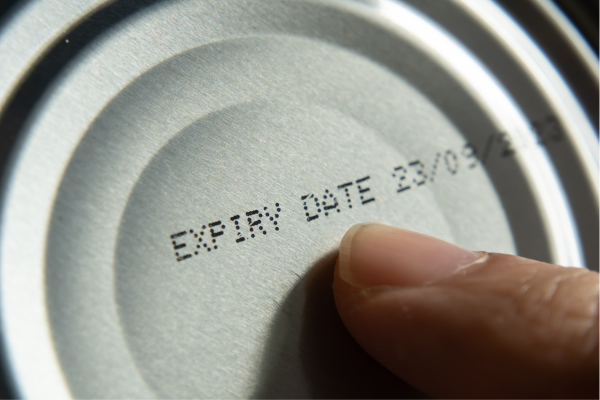
Are you wondering how to read expiry dates or found yourself puzzled by the array of dates stamped on food packaging? From “best before” to “expiry” dates, understanding what these labels mean can be crucial for ensuring food safety and quality.
In this post, we’ll delve into the difference between best before dates and expiry dates, helping you become a savvier shopper and reduce food waste.
What are Best Before Dates?
When you come across this label on a product, it’s not indicating a hard deadline for consumption. Instead, best before dates signify the period during which a product is expected to be at its peak quality. This means that while the item may still be safe to eat after this date, its taste, texture, and nutritional value might start to decline.
For example, packaged foods like granola bars, canned goods, and snacks often come with best before dates. These dates serve as guidelines for consumers, suggesting when the product is likely to taste its best. However, it’s essential to note that consuming a product past its best before date doesn’t necessarily mean it’s spoiled or unsafe.
What are Expiry Dates?
In contrast, expiry dates carry a more critical message. These dates indicate when a product may become unsafe to consume. Whether it’s medications, perishable foods like dairy or meat products, or infant formula, expiry dates serve as a warning sign for potential health risks associated with consuming the product beyond this point.
Unlike best before dates, which primarily focus on quality, expiry dates prioritize safety. Consuming products past their expiry dates could pose health hazards due to bacterial growth, loss of potency in medications, or other deteriorating factors.
Key Differences Between Best Before Dates and Expiry Dates:
1) Safety vs. Quality:
The primary distinction between best before dates and expiry dates lies in their focus. Best before dates relate to the quality of the product, while expiry dates pertain to its safety for consumption.
2) Regulatory Differences:
It’s essential to understand any regulatory disparities between best before and expiry dates in different regions. Regulations may dictate labeling requirements and the lengths of these date intervals.
3) Consumer Responsibility:
As consumers, it’s our responsibility to interpret and act upon these dates appropriately. While best before dates offer guidance on quality, expiry dates signal potential health risks and should be taken seriously.
Factors Influencing Shelf Life:
Several factors influence the shelf life of products, regardless of date labels.
Environmental conditions, such as temperature and humidity, can impact the longevity of foods and medications. Proper packaging also plays a crucial role, as exposure to air, light, and moisture can accelerate spoilage. Additionally, the composition of the product itself, including ingredients and formulation, can affect its shelf life.
Navigating Best Before and Expiry Dates:
To make the most of your purchases and reduce food waste, consider the following tips:
1) Storage Practices:
Store perishable items properly according to package instructions and refrigerate or freeze them as needed to extend their shelf life.
2) Label Interpretation:
Take the time to understand date labels and how they differ between products.
3) Food Safety Guidelines
Follow general food safety practices, such as proper hand washing, cooking temperatures, and avoiding cross-contamination, to minimize health risks.

How to Reduce Food Waste by Utilizing Best Before and Expiry Dates:
- Check dates regularly: Make it a habit to inspect the best before and expiry dates on food items in your pantry, fridge, and freezer.
- First in, first out (FIFO): Arrange your groceries so that older items are at the front and newer ones at the back. This helps ensure that items with closer expiry dates are used first.
- Plan meals around expiry dates: Incorporate items nearing their expiry dates into your meal planning to prioritize their consumption.
- Rotate stock: When restocking your pantry or fridge, move older items to the front and place newer items behind them to prevent items from expiring unnoticed.
- Practice portion control: Prepare and serve appropriate portion sizes to avoid leftovers that may go to waste.
- Utilize leftovers: Get creative with leftovers by incorporating them into new meals or snacks to prevent them from going unused.
- Share excess food: If you have surplus perishable items nearing their expiry dates, consider sharing them with friends, family, or neighbours who can use them before they spoil.
- Donate to food banks: Support your community by donating non-perishable items with unexpired best before dates to local food banks or charitable organizations.
By implementing these strategies, you can effectively reduce food waste and make the most of your groceries while ensuring food safety and quality.
Label Reading:
If you feel like you need further assistance on understanding how to read a nutritional label to help you get the most out of your food choices take a look at these 2 blog posts for further information.
Addressing Common Misconceptions About Expiry Dates:
Despite widespread beliefs, not all expired products are necessarily harmful. Similarly, consuming products after their best before dates doesn’t automatically mean they’re spoiled. It’s essential to use your judgment, rely on your senses, and practice proper food safety measures to determine the safety and quality of a product.
Best before dates and expiry dates serve distinct purposes in guiding consumers’ purchasing and consumption decisions. By understanding the differences between expiry and best before dates and considering factors that influence shelf life, you can make informed choices and minimize food waste. Remember to prioritize safety, but also recognize that best before dates offer flexibility for enjoying products beyond their labeled date. Stay informed, stay safe, and enjoy your food responsibly.
Looking for more support on navigating food labels and ensuring your diet is balanced?
If you’re stuck with figuring out what, when, and how to eat, you’re not alone. Our registered dietitians offer nutrition counselling to help you reach your goals whether it’s increased energy, meal planning, health prevention, or gaining strategies to improve your relationship with food, we can help.
Learn more about our nutrition counselling services or simply contact us below to schedule a free consultation call.
Learn more about food waste prevention to help the planet and save food costs:

Shauna Kime
Registered Dietitian & Online Nutritionist - Weight Concerns, Women’s Health, Diabetes & Meal Planning
The first thing you will notice about Shauna is her contagious optimism, energetic personality and zest. Shauna loves teaching and has a heart full of compassion and empathy for helping clients work through health concerns. Shauna specializes in healthy cooking, diabetes, cardiovascular health, weight concerns and womens health. Read more
