
Adaptogens 101: Ashwagandha, Ginseng, and Tulsi for Stress, Energy, and Balance 

What are adaptogens? Benefits of ashwagandha, ginseng, and tulsi
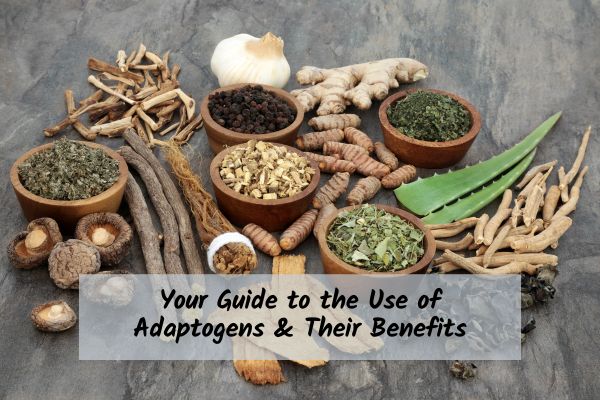
Adaptogens are herbs like ashwagandha, ginseng, and tulsi that may help your body adapt to stress and restore balance. They’ve been used for centuries in herbal medicine and are now found in teas, supplements, and even recipes. Learn how they work and how to use them safely.
What Are Adaptogens?
Throughout history, people around the world have used plants to support health and longevity.
Out of 26 recognized adaptogens, this article focuses on three popular primary types: ashwagandha, ginseng, and tulsi.
People take adaptogens in different ways. Many of these healthful plants are not typically included in cooked foods but are often used as teas or as herbal medicine. Of the featured plants in this article, ashwagandha and ginseng are used as powders, pills, or tinctures (extract solutions), while tulsi is widely used in Asian cuisines.
Popular healthful herbs used in cooking, such as turmeric, maca, or ginger, have not met the criteria that define an adaptogen.
Read on to find out about adding adaptogenic herbs to your food, beverage choices, or health routine.
Key Takeaways
- Adaptogens like ashwagandha, ginseng, and tulsi help the body adapt to stress and support overall balance.
- These herbs are used in adaptogen supplements, teas, and foods for benefits like stress relief, energy, and immune support.
- To be considered an adaptogen, a plant must reduce stress, support multiple body systems, and be non-toxic.
- Ashwagandha is known for stress and anxiety relief, ginseng for energy and focus, and tulsi for calming and culinary uses.
- While not fully accepted in Western medicine, adaptogens are gaining popularity as natural remedies for stress and well-being.
What Makes a Plant an Adaptogen?
An adaptogen is defined as a natural plant (root, leaf, or stem) that has been shown to help the body fight stress, support normal metabolic function, and restore systemic equilibrium.
Adaptogens must:
- Produce a nonspecific defense response to stress
- Have a normalizing influence on the body
- Be non-toxic
- Support balance in endocrine, immune, and nervous systems
How Do Adaptogens Work in the Body?
Some accept adaptogens as a reliable herbal medicine that modulates the three phases of the general adaptation syndrome that occurs in response to stress:
- Alarm reaction
- Resistance
- Exhaustion
Benefits of Adaptogens – Herbal Stress Relief
A Hungarian researcher in 1936, Hans Selye, professor and medical doctor, found a link between long-lasting stress and diseases such as arthritis, asthma, cancer, chronic kidney disease, and high blood pressure.
Adaptogens have been found to either reduce stress reactions in the alarm phase or slow and prevent the exhaustion phase to provide a certain degree of protection against long-term stress.
Why Adaptogens Aren’t Widely Accepted in Western medicine?
The term ‘adaptogen’ has not yet been accepted in Western medicine. This is likely due to at least three different reasons.
- One reason is that Western medicine relies upon rigorous protocols and consistent results in repeated experiments before making health claims for a substance. Long– term clinical trials do not exist for herbal medicines that require high funding dollars and commercial interest.
- Adaptogens do not target one organ or one molecular function but impact different body systems at the same time. Claims for adaptogens are that they might impact the immune system, the muscles, and hormones at the same time, and therefore are less predictable.
- Adaptogens are plants. Growth factors impacted by soil variances, seasonal harvest, seed development, and all the climatic differences in farming areas, add to the unpredictability of the quality of the plant.
However, due to the longevity of the claims, consistency of subjective reports, and the growing number of supportive results from animal research, adaptogens remain of high interest for their promising contribution to health.
Top 3 Adaptogens for Stress, Energy, and Balance
Ashwagandha
What is Ashwagandha
Ashwagandha is a plant native to India and Southeast Asia and is one of the most important herbs in Ayurveda medicine, a system of medicine that originated in India over 3,000 years ago.
Ashwagandha Benefits
Ashwagandha is one of the more popular natural supplements for stress and is best known for reducing stress and anxiety. It may also modestly enhance physical performance and improve reproductive health, but more research is needed to confirm these effects.
Ashwagandha Dosing Recomendations
Dosing recommendations for ashwagandha vary. For example, research has shown doses ranging from 250–600 mg per day to be effective for different conditions. This herb is available in pill or powder form from regulated herbal manufacturers, assuring production in hygienic and food safe conditions.
A Note About Ashwagandha in Canada
Ashwagandha is recognised for its healthful properties by Health Canada, but does not meet the rigour to be a food additive in health food products. This means that if it is an ingredient in a coffee mix or shake powder, the product cannot claim to have specific effects on the body.
Panax Ginseng
What is Panax Ginseng
Panax ginseng, often referred to as Chinese ginseng, is the most well-known. But the term, ‘ginseng’ seems synonymous with healthful roots. There are many types of ginseng, including Siberian, American, and Malaysian varieties. Interestingly, Indian ginseng is better known as ashwagandha.
Benefits of Panax Ginseng
Panax ginseng appears to be effective for mood, immunity, and cognition, which are among the commonly discussed ginseng health benefits, though support for testosterone and exercise performance is weaker.
Panax Ginseng Dosing Recomendations
Dosing recommendations for Panax ginseng vary. For example, research has shown doses ranging from 200 mg – 3 grams per day to be effective for different conditions. The same commercially available factors apply to ginseng as to ashwagandha. It’s produced in conditions that meet health safety standards in Canada and might show up in different health food products, but it has not met the rigour of testing to be included as an approved health food additive. This doesn’t mean ginseng isn’t valuable—many beneficial herbs simply haven’t met the specific regulatory criteria for food additives.
A Note About Panax Ginseng
When using a commercial product such as a flavoured tea or gummy that contains ginseng—or any adaptogen—you are relying on the company’s claims about the ingredient. This means you trust that it’s included in the stated amount, is good quality, and is free from contaminants. Nutritional supplement companies can opt into higher regulatory testing for quality assurance, but it is voluntary.
Tulsi (Holy Basil)
What is Tusi?
Tulsi, or Holy basil as it is called in India, is an herb with a long history of use as a part of Ayurveda medicine.
Tulsi Uses in Food & Tea
Taste and cuisine are why this adaptogen is featured. Foodies unite around the peppery, slightly sweet flavours of Asian dishes that feature this fragrant herb. High in essential oils, tulsi has ways to be cooked – it pumps up Thai broths and Indian curries. Try using tulsi in soups, teas, or stir-fries.
When using fresh, store in the refrigerator by wrapping in a damp paper towel and placing it in a plastic bag, or treat it like fresh flowers by putting stems in a jar of water and covering the leaves with a plastic bag.
Tulsi Dosing Recommendations
When eating tulsi in foods or teas, there are no daily dosage recommendations, but in condensed forms such as pills or powders, research has established safe dose ranges between 300 mg to 3,000 mg each day.
Are There Risks with Adaptogens?
Before taking adaptogenic herbs, consider the following:
Side effects of adaptogens.
Ashwagandha, ginseng, and tulsi are generally well tolerated, and side effects are rare but possible and vary based on the plant. Possible side effects include:
- Allergic reactions
- Constipation, nausea, or diarrhea
- Interference with medications
- Changes in sleep or blood pressure
Adaptogens can compound or reduce the impact of medications that are controlling hypertension, diabetes, insomnia, hypothyroidism, and depression.
Adaptogens can:
- Raise blood pressure
- Raise thyroid activity
- Interfere with antidepressants
- Cause sleepiness or insomnia
Always ask your healthcare provider to discuss their impact on health and medications, and rely upon the latest publicly available research to support your decision
Final Thoughts: Food First, Herbal Second
Healthful herbs fit into the general recommendation to eat more plant foods for wellness. After assessment of medicine-like impact, herbs can be classified as adaptogens.
Adaptogens are enticing and attractive in their claims. The historic and current use around the world confirms their continued impact on health. But modern–day demands for scientifically proven outcomes raise the bar for a reliable and specific dose for a health condition remedy.
Adaptogens as pills or powders offer convenience, but when added to our meals, these healthful herbs continue their ancient practice of food as medicine. This lends adaptogens to be in their plant form to be adopted into the long-held dietitian perspective of ‘food first’.
Are you ready to add adaptogens to your food, beverage, or health routine?
A serving of ashwagandha, ginseng, and tulsi in one way or another might be just what your body needs. A taste of a new recipe below might be the perfect way to add an adaptogen to your diet.
Adaptogens may not be classified as medicine, but their growing appeal speaks to the timeless concept of food as medicine.
References List
Health – Definition of the General Adaptation Syndrome –
Health Canada – Information on the Supplementation of Nutritional Foods
Science Direct – An overview of Adaptogens
The Botanical Institute – List of Adaptogens
Curious about how the foods you eat benefit your health? Dive deeper into the world of nutrition and learn how to fuel your body for optimal wellness!
As Registered Dietitians that specialize in meal planning, weight concerns, emotional eating, eating disorders, digestive health, heart health, diabetes, pediatric nutrition, sports nutrition, lifelong health, and more, we can see in person in Calgary or wordwide virtually.
Find out more about our Dietitian Nutrition Counseling Programs here and book a free discovery call to learn if seeing a dietitian is right for you:
Looking to learn more about supplements? Check out these related articles:

Brought to you by our friendly Registered Dietitian team at Health Stand Nutrition Consulting Inc. For more balanced living advice check out our RESOURCE MEGA BANK of nutrition articles, videos, healthy recipes, newsletters and meal planning kits here: www.healthstandnutrition.com/personal-nutrition/resource-mega-bank/
