
Part 2: Nutrition Strategies for Athletes During the Menstrual Cycle 

Protein recommendations & key nutrients to increase sports performance during your menstrual cycle
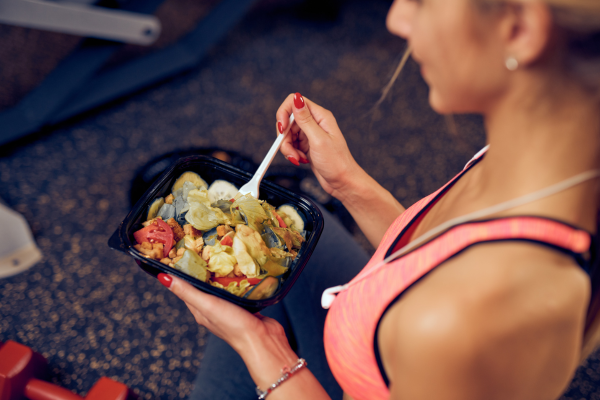
In part 1 of this blog series, we discussed how the menstrual cycle can impact nutrition needs, total energy requirements, and hydration status. In this part 2, we will be diving deeper into protein requirements and specific nutrient needs like iron for menstruating athletes.
As a reminder, an athlete who menstruates naturally, without the use of a hormonal birth control, will have varied nutrient needs throughout their cycle as their hormones fluctuate. Protein is one of those key macronutrients.
Getting Enough Protein During Your Menstrual Cycle
The current RDA (recommended dietary allowance) for women is 0.8g of protein per kilogram. This amount is determined using nitrogen balance assuming adequate intake and is considered the amount needed for prevention of deficiency or malnutrition. However, this number is not adequate for athletes and their unique needs, and in general, as a clinician, I would not recommend an amount this low to anyone, athlete or not.
For athletes specifically, their protein requirements must meet the needs of their life and training. Additionally, if an athlete is not meeting their energy needs (calories) due to the high energetic cost of training and competition, then they require even higher rates of protein intake to preserve lean mass (muscle, organ, bone) and their capacity for exercise. If they do not, in time, they will see poor exercise recovery, loss of strength impacting performance, and reduced capacity for exercise.
So, What Does All This Mean? What is the Recommended Protein Intake for Athletes?
It is generally encouraged, for menstruating athletes to hit the higher end of protein recommendations of 1.4-2.2 g/kg. This recommendation is for all menstruating athletes whether they are participating in strength-based sports, endurance sports, or power sports.
When it comes to protein, athletes should be shooting for this protein range throughout their cycle, not only at one stage or another of the cycle. That being said, hitting the upper end of this range may be especially supportive during the luteal phase due to the implications of higher progesterone levels at that time.
Tips To Hit The Recommended Protein Intake:
- To ensure protein is best absorbed, athletes will want to have their protein intake evenly distributed throughout the day (about every 3-4 hours).
- This means having protein in each meal and most snacks as well as in their recovery fueling after training.
- To make this even easier, try having higher protein options stocked and ready to go throughout your environment (in the kitchen, at work/ school if you can, in your training bag/car).
High Protein Snack Ideas:
- Greek yogurt
- Cottage cheese
- High protein milk
- Beef jerky
- Pepperoni sticks
- Protein bars or shakes
- Hard boiled eggs or egg muffins
- Nuts
- Seeds
- Canned fish such as tuna or salmon
- Edamame beans
- Quinoa-based salads
- Bean salads
When Is The Best Timing For Protein Intake? Does The Recovery Window Exist?
The recovery window was always considered to be the time immediately following exercise and was touted as “the optimal time to consume nutrition after exercise to produce beneficial training and muscle adaptations.”
There has been more debate about the recovery window in recent years. It is true, that total protein intake throughout the day is likely more important, however, the evidence does show that the recovery window is still a factor in positive training and muscle adaptation.
As research has been gathered on athletes assigned female at birth in particular, it has been noted that taking protein immediately before and/or after exercise does reduce losses and support positive muscle adaptations when taken at a dose of 0.32-0.38 g per kilogram body weight.
Other Key Nutrients to Consider for Menstruating Athletes & Supplementation Needs
While prioritizing a nutrient-rich diet is recommended for all athletes, there are some nutrients to be aware of and potential areas for supplementation for athletes who menstruate. If an athlete is to begin supplementation, the dosage itself should be individualized based on that athlete’s needs.
Iron
During the menstrual cycle, iron status does fluctuate which will impact athletic performance. Iron status impacts energy levels and emotion regulation. Iron values (transferrin saturation and serum iron) are lowest during menses (the time of bleeding).
Menstruating individuals are recommended to consume 18mg of iron daily until the age of 50. After 50, iron requirements do reduce in most instances to about 8mg daily. Foods that contain iron include animal-based foods like beef, poultry and seafood. There are vegetarian sources of iron, such as fortified grains, nuts, beans, and leafy green vegetables, which are not as easily absorbed, yet still beneficial.
Menstruating athletes are at a higher risk of iron-deficiency anemia compared to menstruating non-athletes and non-menstruating individuals because of the impact of exercise. Exercise increases the body’s need for iron related to the body’s higher energy needs. The symptoms of iron deficiency anemia include fatigue, brain fog, hair loss, restless legs, and shortness of breath. Iron supplementation is required for individuals with iron-deficient anemia.
Additionally, iron supplementation in non-anemic athletes has been shown to improve energy levels and mental fatigue, therefore improving overall performance. Iron also plays a role in the capacity for endurance exercise as well as the recovery from resistance exercise, so it can be hypothesized to support better outcomes overall.
However, too much iron is not a good thing so all athletes are encouraged to get appropriate bloodwork prior to initiating iron supplementation.
Creatine
There is evidence for the use of creatine in menstruating athletes as with non-menstruating athletes and this research continues to grow. The science is highlighting that creatine can support improvements in strength, power, and endurance, as well as promoting cognitive health. Supplementing with a relatively low dose of 2-5g daily has shown beneficial outcomes in both short term and long term studies.
Other areas for supplementation to explore in menstruating individuals include calcium, vitamin D, omega 3, and a magnesium. Supplementation should be discussed and reviewed with a healthcare practitioner to ensure that it is meeting your individual needs.
Overall, protein requirements, nutrient requirements, and sports nutrition strategies should be personalized to your needs.
Interested in getting customized support for your unique nutrition needs along your cycle? Contact our experienced sports nutritionists on our team.
Our Sports Nutritionist team specializes in performance and results driven nutrition strategies for athletes and recreational fitness enthusiasts.
Since we are dietitians (not salesy supplement marketers), we can also provide you unbiased professional advice about supplements you are curious about. Our university training as Registered Dietitians and access to scientific databases for the latest research cuts through the misinformation and gets you the reliable facts.
Learn more about our sports nutrition services or simply contact us below to discuss your needs:
If you enjoyed this blog, check out our other articles on related topics:

Jana Spindler
Disordered Eating, Emotional Eating & Sports Nutrition
Fitness enthusiast and lover of all things food, Jana is passionate about helping her clients improve their relationship with food and their body. She is a strong, motivational leader. Jana also offers the balance of a warm, supportive coaching style to nudge her clients from their comfort zone while feeling safe and supported. She specializes in mental health, eating disorders, body image and sports nutrition.
...Read more
