
Diverticulitis Diet: What to Eat to Prevent and Manage Flares 

What to eat during and after a diverticulitis flare
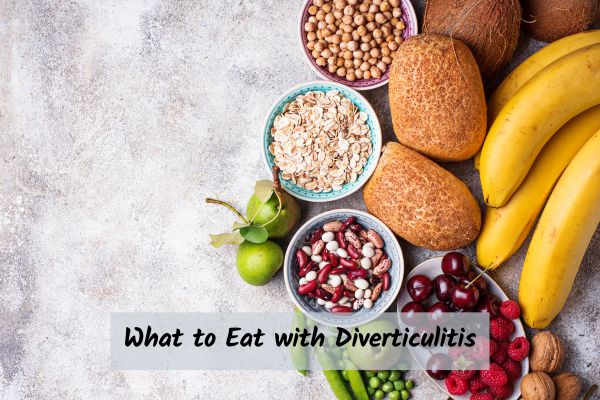
Digestive upset is never fun, especially when you’re experiencing diverticulitis. This painful yet common condition can seem to appear out of nowhere and affects 10% of adults under age 40, and up to 80% of older adults.
More often than not, when clients come to me for nutrition strategies to support their diverticulitis, they have already been to the hospital or to the doctor due to a painful flare.
In this article, we’ll review evidence-based nutrition and lifestyle strategies to help prevent diverticulitis flares and support recovery when symptoms occur.
Key Takeaways
Diverticulitis is a condition where small pouches in your colon (diverticula) become inflamed and infected.
- Meeting daily fibre recommendations is key to lowering your risk
- Nuts, seeds and popcorn no longer need to be avoided
What is Diverticular Disease?
Diverticular disease affects the digestive tract, specifically the colon, and can range from mild to severe symptoms depending on inflammation and infection.
There are 2 parts to this condition:
- Diverticulosis: The formation of diverticula, which are small pouches that form in the lining of the large intestine (colon).
- Diverticulitis: When the diverticula become inflamed, infected and sometimes bleed.
Common Symptoms of Diverticulitis:
- Abdominal pain or cramps- often located in the lower left quadrant of the abdomen
- Constipation or Diarrhea
- Nausea and Vomiting
- Fever and Chills
- Bloating and Gas
- Loss of Appetite
Fibre Intake and Diverticular Disease:
One of the most helpful parts of a “diverticulitis diet” and preventing flare-ups is meeting the daily recommended intake for fibre. Maintaining an adequate amount of fibre helps to bulk up the stool, and move stool through the colon efficiently, which reduces the pressure applied to the colon walls. Individual fibre recommendations are as follows:
| Group | Age Range | Fibre (g/day) |
|---|---|---|
| Males | 31–50 years | 38 g/day |
| 51–70 years | 30 g/day | |
| >70 years | 30 g/day | |
| Females | 31–50 years | 25 g/day |
| 51–70 years | 21 g/day | |
| >70 years | 21 g/day |
Food Sources of Fibre:
- Vegetables
- Fruit
- Beans, Peas, Lentils, Chickpeas
- Nuts and Seeds (Including Chia and Flax)
- Whole Grain breads, cereals, pasta and crackers
- Other whole grains, such as Oats, Barley, Quinoa etc..

How to Manage a Diverticulitis Flare
While fibre is important for prevention, nutrition recommendations change temporarily during an active flare.
When the diverticula are inflamed and infected, it is helpful to scale back the fibre and allow the gut time to heal. If symptoms are severe, following a temporary liquid diet (ice pops, broth, juices etc..) can help with lowering pain and inflammation.
Low residue diets, or diets that limit the consumption of indigestible materials are also prescribed for a short period to manage flares. The goal is to lower the fibre content, and therefore decrease stool size and frequency to let the bowel recover.
Examples of Low Residue Foods:
- Cooked carrots, spinach and applesauce
- Chicken, turkey, eggs, tofu and fish
- Lower milk fat % yogurt, cheese and milk
- White bead, rice and pasta
- Clear soups and broth
What to Eat After a Diverticulitis Flare
Once symptoms have calmed and you’ve completed the low residue diet, you can resume your regular eating pattern. It is helpful to gradually work back up to your daily fibre recommendations rather than jumping straight to high end of the range right off the bat. Ensuring adequate hydration will also be helpful.
Daily hydration goals:
- Adult men: ~3 litres (12 cups)
- Adult women: ~2.2 litres (9 cups)
- Pregnant women: ~2.3 litres (9.5 cups)
- Breastfeeding women: ~3.1 litres (12.5 cups)
Do Nuts, Seeds, or Popcorn Need to Be Avoided?
Many clients come to me seeking advice on which foods to limit after a diverticulitis flare. In the past, patients were advised to avoid these foods to reduce the risk of having a flare; however, decades of research have debunked this.
This study followed over 40,000 people, had an 18-year follow-up, and demonstrated an inverse relationship between eating these foods and developing diverticulitis. As these foods are rich in fibre, they are more likely to reduce risk rather than increase it.
Diverticulitis can be painful and disruptive, but in many cases, it’s preventable. By building a fibre-rich diverticulitis diet filled with fruits, vegetables, whole grains, and legumes, you can actively support your gut health and lower your risk. Start small, stay hydrated, and make fibre part of your everyday routine!
Skeptical about AI advice for your nutrition goals? Book a consultation with one of our Registered Dietitians to:
iving with diverticular disease doesn’t have to mean living in fear of your next flare. Our diverticulitis dietitians can help you build a personalized plan to support your gut, meet your fibre needs, and reduce your risk.
Book a discovery call today to get started.
Do you have employee/insurance health benefits? Many cover Registered Dietitian services!
If you liked this post, check out these similar posts on our blog:

Christine Devaney Towsley B.A.Sc., RD
Registered Dietitian & Online Nutritionist
Specialty: weight concerns, intuitive eating, heart
health, family nutrition, IBS (irritable bowel disease)
A nurturer at heart, Christine will always greet you with a smile and
attentive ear. Kind hearted, empathetic and sensitive to others,
Christine takes the time to connect, build trust and truly understand
each client and tailors her sessions to each person's specific needs.
...Read more
