
How to Get Enough Vitamin D: Daily Intake, Deficiency Risks, and Best Food Sources 

A Dietitian’s guide to vitamin D from sun, food, and supplements—plus how much you really need!
The sun. Whether worshipped as a sun-god in ancient cultures or admired today for its colour-washed rise and fall on the horizon, it remains a timeless wonder. Essential for life on Earth, our need for the sun is soul-deep. It’s also vital for our physical health. Known as the “sunshine vitamin,” Vitamin D is produced when ultraviolet B (UVB) rays from the sun are absorbed through the skin.
But with today’s modern indoor lifestyle, changing seasons, and sunscreen habits, many people are wondering: Are we getting enough Vitamin D? What happens when we don’t? In this blog post, we’ll break down why vitamin D is important for bone health and immune function, how much you need daily, the best food sources of vitamin D, and when vitamin D supplements might be necessary—especially during long winters. Let’s dive in and help you figure out how to get your daily D from sunshine, food, or supplements.
Key Takeaways
- The Importance of Vitamin D: Vitamin D supports bone health by helping to absorb calcium, magnesium, and phosphate. Vitamin D Deficiency can lead to soft bones, teeth, and in children, conditions like rickets.
- Factors Influencing Vitamin D Levels: Sun exposure, diet, skin tone, and clothing choices impact how much you produce.
- How much Vitamin D you need: Health Canada recommends 800 IU per day, though some experts suggest up to 4000 IU depending on individual need and certain conditions.
- Fortified foods in Canada: Since 2022, foods like milk, yogurt, and margarine have been added Vitamin D to improve intake. The Daily Value (DV) on labels helps track Vitamin D content in foods to compare options.
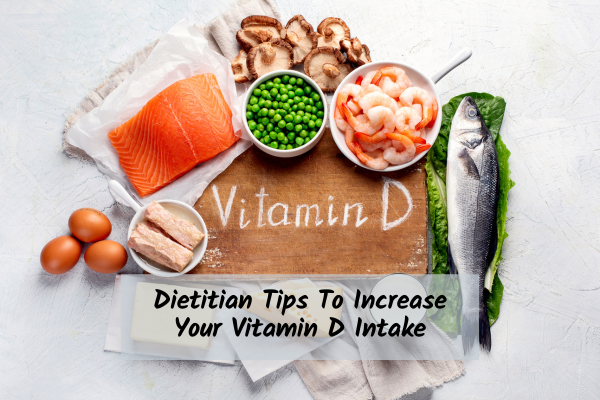
- High Vitamin D Foods: Include fortified dairy, rainbow trout, salmon, eggs, fortified tofu and cod liver oil.
- Vitamin D Supplementation: Most people benefit from 800-2000 IU per day; some specialists recommend higher doses based on your diet, sun exposure, and chronic conditions.
Get your Daily D
Vitamin D helps your body absorb calcium, magnesium, and phosphate – key minerals for strong bones and teeth. A deficiency can lead to soft bones, teeth, and conditions like rickets, where children develop bow-legs due to insufficient vitamin D. This led Health Canada in the 1970s to begin fortifying milk with vitamin D.
With so much information out there you might wonder: Am I getting enough Vitamin D from sunshine or food? Let’s explore what affects your Vitamin D levels and how to make sure you’re meeting your needs.
What Affects Vitamin D Levels?
Several factors influence how much Vitamin D your body produces and absorbs:
- Sun exposure
- Dietary intake of foods containing vitamin D
- Skin colour
- Clothing choices and how much skin is exposed outdoors
You may also need more Vitamin D if you have:
- Chronic inflammation from gout, arthritis, lupus, asthma, diabetes, COPD
- Malabsorption syndromes such as celiac disease, inflammatory bowel disease (IBD), or short bowel syndrome
- Higher levels of body fat, which can store vitamin D in fat tissue
Fortified Foods with Vitamin D in Canada
Based on current statistics showing that 1 in 5 people in Canada are not getting enough vitamin D, Health Canada reviewed fortification policies. Using data from the 2015 Canadian Community Health Survey, which showed that 81% of Canadians drink milk, new fortification laws have doubled the amount of vitamin D in cow’s milk and expanded the list of fortified foods.
Vitamin D fortified foods include:
- Cow’s milk
- Plant-based milks
- Margarine
- Goats’ milk
- Yogurt
- Kefir
How to Read Vitamin D on Food Labels
Look at the % Daily Value (DV) on the Nutrition Facts table to compare products. The DV is based on an average 2000-calorie diet.
Examples:
- Cow’s milk (250 ml): 25% DV
- Almond milk (250 ml): 10% DV
- Soy milk (250 ml): 45% DV
Quick math helps you see how much each serving contributes to your daily intake.
How to Read Vitamin D on Food Labels
Vitamin D in food is shown on the food label by the Daily Value (DV). The DV percentage is based on Health Canada’s recommendation as a part of an estimated 2000 calorie population average. But the DV percent varies by province or dairy company dependent upon their choice whether to increase to newer levels.
With a bit of quick math, you can see how much each serving contributes to your daily intake.
Use the percent DV for a quick reference to compare foods to each other.
Examples:
A Glass of:
- Cow’s milk (250 ml): 25% DV
- Almond milk (250 ml): 10% DV
- Soy milk (250 ml): 45% DV
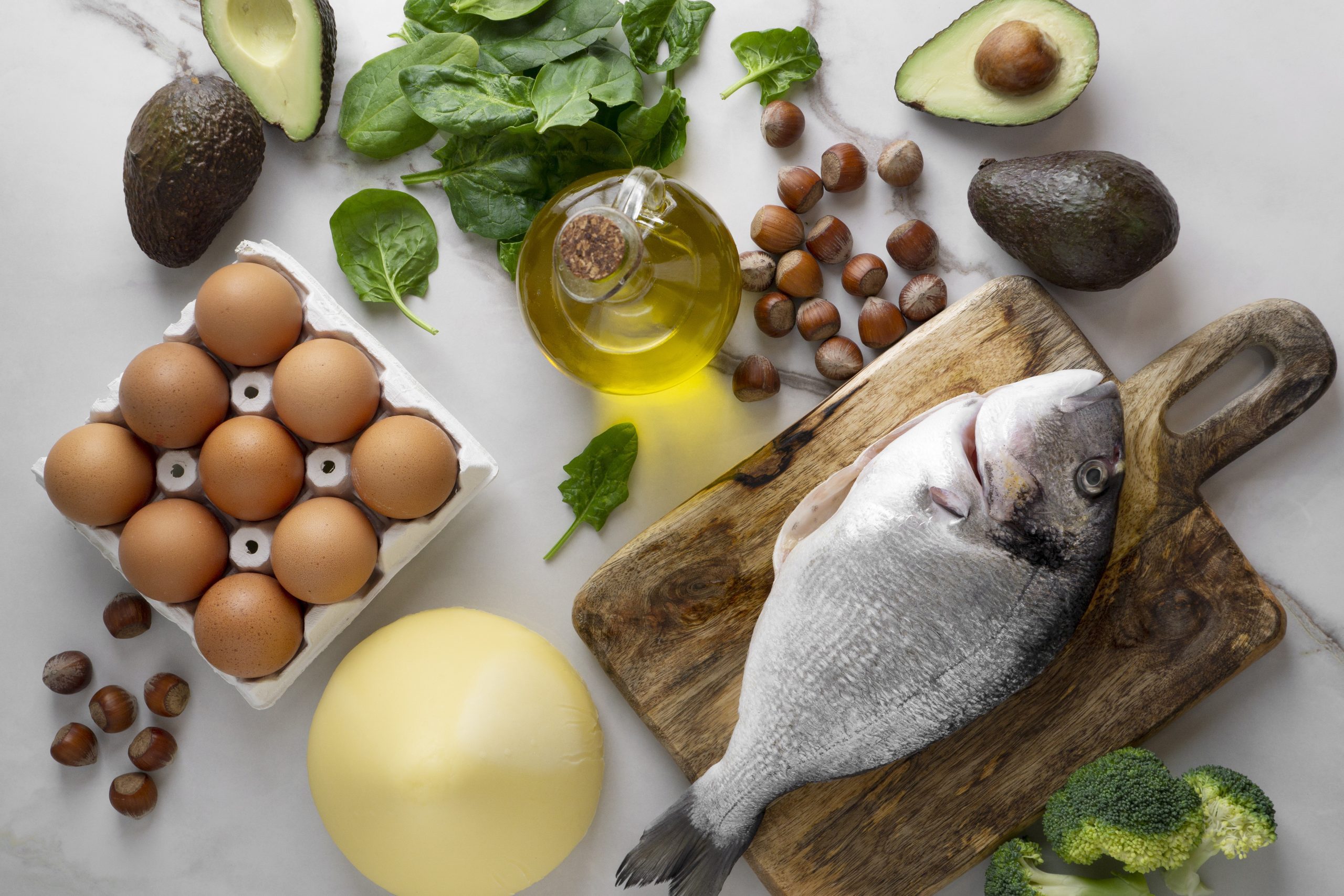
Foods High in Vitamin D
Add these vitamin D rich foods to your meals:
Dairy & Alternatives:
- Milk (cow or plant-based): 100–200 IU / cup
- Yogurt: 100 IU / ⅔ cup
- Kefir: 108 IU / ⅔ cup
- Margarine: 300 IU / 2 tbsp
- Goat’s milk: 80 IU / ⅔ cup
Other Sources:
- Rainbow trout (cooked): 645 IU / 85g
- Sockeye salmon (cooked): 570 IU / 85g
- Eggs (2 large): 88 IU
- Fortified tofu: 83 IU / 85g
- Cod liver oil: 1,360 IU / tbsp
- Canned tuna: 40 IU / 85g
- Beef liver: 42 IU / 85g
Should You Take a Vitamin D Supplement?
Many people wonder: Do I need a vitamin D supplement? It depends on your sun exposure, diet, and health. Supplements come in various forms (gummies, capsules, tablets) and dosages ranging from 400 IU to 10,000 IU.
Health Canada recommends:
- 800 IU/day for most adults
- Some experts suggest 1000–2000 IU/day for optimal health
- Up to 4000 IU/day is considered safe for most people
Some medical conditions may require higher therapeutic doses (over 3000 IU), but this should be discussed with a healthcare provider.
An extra note: The amount of Vitamin D needed is still debated internationally, mainly due to concerns about excessive doses. However, the recommendations above fall well within safe limits for most people.
An extra tip! You can be assured of adequate Vitamin D if you bravely take cod liver oil. 1 tablespoon of cod liver oil provides 1,360 IU of vitamin D.
How Much Vitamin D Do I Need Based on Where I Live?
To calculate your own Vitamin D needs, decide if you aim for 800 IU or more, and consider your daily skin exposure to sun and what foods you eat that are high in vitamin D.
Here is a general rule of thumb to help you because sun exposure varies across Canada :
- 40–50° latitude (Toronto to Winnipeg):
- Light skin: 15–30 mins sun/day (March–October)
- Darker skin: 30 mins+
- From November to April: Aim for 2000 IU/day from food/supplements
- 50–60° latitude (Winnipeg to Whitehorse):
- Light skin: 15–30 mins sun/day (April–September)
- Darker skin: 30 mins+
- From October to March: Aim for 2000 IU/day
A Note About Sunscreen
Worried sunscreen blocks Vitamin D production? Studies show that while sunscreen filters UVB rays, it does not cause vitamin D deficiency. Continue using sun protection to reduce the risk of skin cancer.
From sunshine, diet, or supplements– it’s up to you how you mix and match to put together your own shining trio!
Are you interested in receiving personal nutrition support? Our team of Registered Dietitians can help!
Our Registered Dietitian team specializes in nutrition for mental health, meal planning, weight concerns, emotional eating, eating disorders, digestive health and more. Find out more about our Dietitian Nutrition Counseling Programs here.
As trained Registered Dietitians, you can count on us for credible advice and practical meal planning so you don’t have to stress about food anymore. You can achieve a healthy and joyous relationship with food and your body. Let’s talk about what this can look like for you.
Keep learning about nutrition for mental health on our blog:

Brought to you by our friendly Registered Dietitian team at Health Stand Nutrition Consulting Inc. For more balanced living advice check out our RESOURCE MEGA BANK of nutrition articles, videos, healthy recipes, newsletters and meal planning kits here: www.healthstandnutrition.com/personal-nutrition/resource-mega-bank/
