
Understanding Insulin Resistance: A Dietitian’s Guide to Nutrition and Lifestyle 

What is insulin resistance and how nutrition and lifestyle factors can help

Insulin resistance is one of the most common metabolic issues today, playing a central role in conditions like type 2 diabetes, PCOS, fatty liver disease, and cardiovascular disease. As a Registered Dietitian and Certified Diabetes Educator who works directly with individuals through nutrition counselling, I see firsthand how common—and often misunderstood—this condition is.
The good news? Nutrition and lifestyle can have a powerful impact. In this article, we’ll break down what insulin resistance is, how food and nutrition and an insulin resistance diet influence it, and what other key factors matter when it comes to managing and improving it.
Key Takeaways:
- Insulin resistance is a common but manageable metabolic condition
- It can affect people of all body sizes and health backgrounds
- Nutrition—especially fibre, protein, and overall diet quality—plays a key role
- Carbohydrates are not the root cause; quality and context matter
- Lifestyle factors like movement, sleep, and stress are just as important as diet
- Sustainable habits are more effective than restrictive approaches
What Is Insulin Resistance?
Insulin is a hormone made by the pancreas. Its job is to help move glucose (sugar) from your bloodstream into your cells, where it’s used for energy.
Insulin resistance happens when your cells don’t respond properly to insulin.
As a result:
- Your body needs to produce more insulin to keep blood sugar stable
- Blood insulin levels rise (hyperinsulinemia)
- Over time, blood glucose may also rise
- The pancreas can become overworked
Think of it like trying to open a door with a key that isn’t working properly—you have to knock louder and more often. In this analogy, you are the glucose, the key is insulin, and the room is your cells. The resistance makes it harder for glucose to enter.
If left unmanaged, insulin resistance can progress to prediabetes and eventually type 2 diabetes.
Who is affected by Insulin Resistance?
Insulin resistance can affect many people, including those who:
- Higher levels of body fat, particularly around the abdomen (though insulin resistance can occur at any body size)
- Have a family history of type 2 diabetes
- Have PCOS
- Are physically inactive
- Experience chronic stress
- Have poor sleep habits
- Have a history of gestational diabetes
- Live with fatty liver disease
- It can also occur in people without obvious signs or symptoms, which is why blood work and metabolic markers can be important.
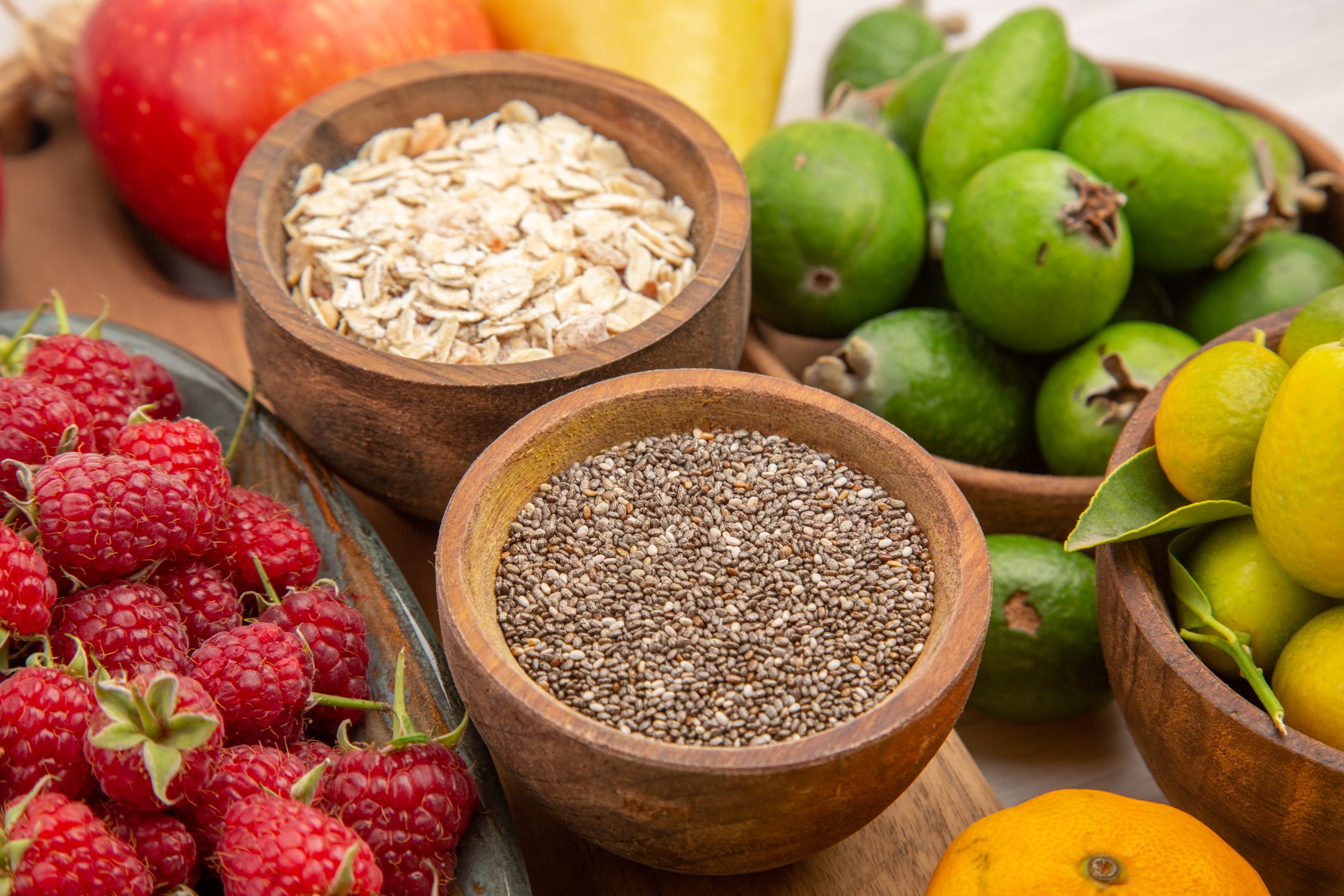
The Role of Nutrition in Managing Insulin Resistance
Nutrition doesn’t change insulin resistance overnight, but it can significantly improve insulin sensitivity over time. What we eat plays a major role in how insulin resistance is managed. The goal is not perfection, but consistency and overall diet quality. If you’re wondering what an insulin resistance diet looks like, keep scrolling:
Fibre: A powerful ally for insulin sensitivity
- Slows digestion and glucose absorption
- Reduces blood sugar spikes
- Feeds beneficial gut bacteria
- Improves satiety (helps regulate appetite)
- Reduces inflammation
High-fibre foods include:
- Vegetables
- Legumes
- Whole grains
- Nuts and seeds
- Fruit (especially whole fruit)
Soluble fibre (found in oats, legumes, chia, and flax) is especially beneficial for blood sugar control. Increase intake gradually and ensure adequate water intake to avoid digestive discomfort.
Protein: Helps stabilize blood sugar
How protein helps:
- Slows carbohydrate absorption
- Increases satiety
- Supports muscle mass (which improves insulin sensitivity)
- Reduces post-meal glucose spikes
Including a protein source at each meal and snack can make a meaningful difference.
Examples of protein-rich food:
- Eggs
- Greek yogurt/milk/cottage cheese
- Tofu/tempeh
- Fish
- Chicken, beef, pork
- Beans and lentils
- Nuts and seeds
Muscle is a more metabolically active tissue and the more muscle mass you maintain (through diet and resistance training), the better your body handles glucose. 80% of our stored glucose is in our muscles, When we exercise, we use and then replenish our stores, pulling glucose from our bloodstream back into our muscles. Thus, the better your body can manage glucose.
HOWEVER, overall diet quality matters more than one nutrient
Focusing on single nutrients misses the bigger picture. Research consistently shows that overall dietary patterns matter more than strict macronutrient ratios.
Patterns associated with improved insulin sensitivity include:
- Mediterranean-style eating
- Whole-food, minimally processed diets
- Diets rich in plants, fibre, and healthy fats
These patterns emphasize:
- Vegetables and fruit
- Whole grains
- Legumes
- Lean proteins
- Olive oil and nuts
- Limited ultra-processed foods
It’s not about one “magic” food—it’s about consistent patterns over time.
What Role Do Carbohydrates Play?
Carbohydrates are often blamed for insulin resistance—but this is an oversimplification. Not all carbohydrates are equal.
Highly refined carbohydrates (like sugary drinks, pastries, and ultra-processed snacks) can contribute to insulin resistance when consumed frequently and in excess.
However, whole-food carbohydrates are associated with improved metabolic health.
Examples:
Whole-food carbohydrates:
- Beans
- Oats
- Quinoa
- Sweet potatoes
- Fruit
Why Cutting Carbs Doesn’t Fix Insulin Resistance
Very low-carb diets may reduce blood sugar in the short term because less glucose enters the bloodstream. However:
- They don’t address underlying insulin sensitivity
- They can be difficult to sustain
- They often reduce fibre intake
- Reintroducing carbs may reveal unresolved insulin resistance
They also don’t address why certain foods are eaten—such as emotional or habitual patterns. Often, we eat for reasons beyond hunger and if we just cut them out cold turkey in the short term, it doesn’t address the emotional or non-physical connection to these foods in the long-term.
Insulin resistance is influenced by:
- Excess energy intake over time
- Sedentary lifestyle
- Low muscle mass
- Chronic inflammation
- Poor sleep
- Chronic stress
Carbohydrates themselves are not inherently the problem. A well-balanced insulin resistance diet includes whole-food carbohydrates rather than eliminating carbs entirely.

Lifestyle Factors That Impact Insulin Resistance
Nutrition and what we put into our body is powerful, but it’s only one piece of the puzzle.
Physical Activity
Exercise improves insulin sensitivity almost immediately.
- Resistance training builds muscle
- Walking after meals reduces glucose spikes
- Regular movement supports metabolic health
Even 10–15 minutes of walking after meals can make a difference.
Sleep
Poor sleep:
- Increases insulin resistance
- Disrupts appetite hormones
- Raises cortisol
Aim for 7–9 hours per night.
Stress
Chronic stress elevates cortisol, which:
- Raises blood sugar
- Increases insulin demand
- Promotes abdominal fat storage
Managing stress isn’t optional—it’s essential for metabolic health.
Common Myths About Insulin Resistance and Diet
Myth 1: Carbs cause insulin resistance.
Overeating, inactivity, and low diet quality are the bigger drivers — not carbs alone.
Myth 2: You must go keto to reverse insulin resistance.
Many dietary approaches can improve insulin sensitivity. Sustainability matters more than extremes. Choosing a pattern of eating that will help maintain overall health goals longterm is what is important. Also having support to sustain these patterns of eating is beneficial. A sustainable insulin resistance diet focuses on overall quality and balance rather than strict restriction.
Myth 3: Thin people can’t have insulin resistance.
Body size is not the sole predictor of metabolic health. Genetics play a significant role in insulin resistance with some research showing up to 50% of genetic factors accounting of the difference in insulin action along side other factors like lifestyle.
Myth 4: Fruit is bad because it contains sugar.
Whole fruit contains fibre, water, micro nutrients and phytochemical that support overall metabolic health. There is more nutrients in once piece of fruit than there is in something that is purely sweet (candy, chocolate, cookies, ie.) and yet we seem to have more problems with eating fruit than we do a cookie.
Myth 5: It’s just about willpower.
Insulin resistance is a complex metabolic condition influenced by environment, genetics, stress, and sleep and is not simply related to discipline. We need to extend ourselves grace and patience. There are many things we can address to help with insulin resistance and it takes time to make changes. Starting with something small and attainable and working towards our ultimate goals is what we need to focus on to provide life long healthy habits.
Following a balanced insulin resistance diet, alongside lifestyle changes like movement, sleep, and stress management—can have a meaningful impact over time.
Focus on:
- Creating balanced meals with fibre, protein, and healthy fats
- Increasing intake of vegetables and whole foods
- Incorporating regular movement, including resistance training
- Prioritizing sleep and managing stress
- Reducing ultra-processed foods
- Eating consistently rather than restrictively
Small, consistent changes can have a meaningful impact. With the right support and approach, improving insulin sensitivity is both achievable and sustainable.
You don’t have to navigate insulin resistance on your own
Success comes from consistent and sustainable habits, not extreme restrictions. Living your best life that is filled with both healthy and enjoyable choices is what will help manage insulin resistance. If you require further help managing your insulin resistance, seek assistance from a Registered Dietitian who can provide you with recommendations and support throughout your journey.
Book your free 15 minute discovery call today to learn more and get matched with your best fit Registered Dietitian for Medical Concerns. We also specialize in a wide range of topics. Contact us to learn more:
If you liked this post, check out these similar posts on our blog:

Shauna Kime
Registered Dietitian & Online Nutritionist - Weight Concerns, Women’s Health, Diabetes & Meal Planning
The first thing you will notice about Shauna is her contagious optimism, energetic personality and zest. Shauna loves teaching and has a heart full of compassion and empathy for helping clients work through health concerns. Shauna specializes in healthy cooking, diabetes, cardiovascular health, weight concerns and womens health. Read more
