
Low FODMAP & IBS Travel Guide: Enjoying Food Abroad (Trip Tips & Checklist) 

Trip tips to navigate low FODMAP eating when traveling long-distance with IBS
Are you thinking about travelling with IBS? Visiting new destinations can be both exciting and scary for individuals with IBS following a low FODMAP trial. While discovering culinary delights is undoubtedly thrilling, the concern about triggering digestive discomfort or worsening symptoms can overshadow the excitement of any travel plan. Moreover, a distant gateway requires a higher-level of preparation than a weekend retreat.
In this post, we will outline the 3 stages of planning when traveling abroad with IBS, delve into the key aspects of each stage, and equip you with practical strategies and useful tools to navigate low FODMAP eating comfortably during your travels.
FODMAP Eating Review
Before diving into tips for traveling, let’s quickly recap what the low FODMAP trial entails. FODMAPs (Fermentable Oligosaccharides, Disaccharides, Monosaccharides, and Polyols) are a group of carbohydrates that can trigger digestive symptoms in individuals with a sensitive gut. By eliminating high FODMAP foods temporarily, this trial helps alleviate symptoms such as bloating, gas, diarrhea, constipation, and abdominal pain, while identifying their personal food triggers and tolerance levels.
For additional background information on low FODMAP eating, check out our 4 part series beginning with:
Travel Planning on Low FODMAP Eating
There are 3-stages of planning when travelling with IBS: “Before the trip”, “During the trip” and “After the trip”. The approach to low FODMAP eating follows a similar pattern, and we will discuss each one of them in this blog post.
Before The Trip IBS Tips & Checklist
First we’ll be outlining the “Before the trip” planning before embarking on a journey, laying the groundwork for a successful trip while adhering to low FODMAP eating.
Before the Trip Checklist:
- Is this the right time to do the Low FODMAP trial?
- Research local cuisine options
- Have your essentials ready to go
- Smart phone apps at your fingertips
- Stock up on low FODMAP packaged snacks
- Heat compression to the rescue
- Prep your travel buddy
- Call up the airline
- Carry-on your meds and supplements
1. Is this the right time to do the low FODMAP trial?
The traditional low FODMAP eating has 3 phases: Elimination (2-6 weeks), Challenge and Personalization. If you’ve progressed to the later stage of this trial (i.e., personalization) and have a solid understanding of your personal food triggers and tolerance levels, you can maintain the practices you’ve honed while traveling.
However, if you haven’t initiated the elimination phase or are still in the early stages, you might want to consider if this is the right timing to commence or proceed with the trial. Putting the low FODMAP eating on hold during long-distance travel may be a sensible choice unless your physician or dietitian strongly advises otherwise. Here are some factors to think over to ensure you make the most suitable choice for yourself:
Homework away from home.
Starting and navigating either the elimination or challenge phase of the FODMAP eating plan involves a significant learning curve. Given the substantial investment of time, energy, and dedication required, it’s essential to assess whether you have the capacity to fully commit while being away from your usual environment. If adhering to the trial becomes a considerable source of stress during travel, it could potentially worsen your gut symptoms, even if you follow it meticulously.
Variables beyond food.
The complex interconnection between the brain and the gut plays a pivotal role in the manifestation of IBS, known as the brain-gut axis. While FODMAPs may trigger gastrointestinal distress, various unavoidable factors accompany traveling can also cause similar issues, such as ones emotional state (e.g., excitement can also be a form of stress to the body), adjusting to time zone differences, adapting to accommodation arrangements, exposure to different sanitation practices and new strains of germs, trying new foods, irregular eating schedule and managing sleep deprivation. Distinguishing whether the symptoms arise from dietary factors or these additional influencing factors can be challenging.
Understand healthcare options at the destination.
IBS symptoms can be unpredictable, especially when traveling overseas. Having knowledge of healthcare facilities access at your destination beforehand can provide a sense of reassurance. If you are not fluent in the local language, using translation apps and learning some basic phrases describing your condition and symptoms can be helpful.
At the end of the day, the opportunity to completely immerse yourself in the travel experience might outweigh the significance of adhering to a special diet. There’s no clear-cut right or wrong decision here; it is perfectly acceptable to adopt a flexible approach while traveling and resume to your dietary regimen once back home. If you decide to pause the low FODMAP eating while traveling, there are still some simple strategies for you to try that may help settle your symptoms, see this link for details. Before You Start the Low FODMAP Diet Read This – Dietitian Advice (healthstandnutrition.com)
If you would like to proceed with the low FODMAP eating during travel but are hesitant about the traditional method, talk to your gut health dietitian about the possibility of adopting a “gentle” FODMAP trial where only a select few very high FODMAPs are removed.

2. Research local cuisine options
Start your journey by researching the culinary landscape of your destination. Take time to familiarize yourself with the traditional dishes of the region you are visiting. Draw on the collective wisdom of fellow travellers through online forums dedicated to low FODMAP eating, gaining insightful tips to personal restaurant recommendations. Once you have identified ingredients and dishes that are low in FODMAPs, as well as those to avoid, it can be incredibly helpful to compile an “Acceptable Foods VS Foods to Avoid” list in advance. Keep it easily accessible on your phone, jot it down in your notebook, or create pocket cards in local languages for quick reference.
3. Have your essentials ready to go
Smart phone apps at your fingertips.
Download these apps in advance and take the time to get acquainted with them. They can be useful tools to have on hand.
- Monash University FODMAP app – A reputable comprehensive list of FODMAP content of food, presented in a traffic light system (Green for low FODMAP, yellow for moderate, red for high FODMAP).
- FODMAP Friendly app—Another reputable app that provides percentage breakdown of each type of FODAMP for a specific food item. It also offers lists of FODMAP Friendly certified products available in a few selected countries.
- Nerva app – Guided hypnotherapy for the gut, also developed by the Monash University. It has demonstrated comparable effectiveness to the elimination trail for managing IBS in certain individuals.
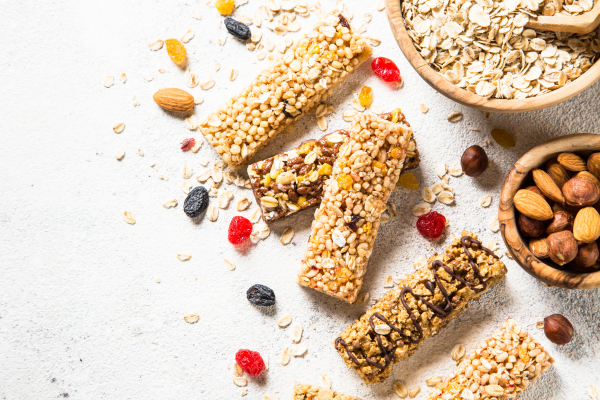
Stock up on low FODMAP packaged snacks.
These shelf-stable options are convenient for plane ride or commutes when fresh snacks may not be readily accessible. Examples of travel friendly FODMAP snacks include:
- 10 Almonds (20 pieces is considered high)
- Pumpkin seeds
- Seaweed snacks
- Plain instant oatmeal packet
- Chia seeds
- Plain salted popcorn
- Plain tortilla chips
- Rice cake, individual packets of nut butter
- Suitable gluten-free pretzels / crackers / cereals
- Low FODMAP bars and protein powder (e.g., All products from Fody and Casa de Sante are certified FODMAP friendly. Specific products from GoMarco, Nature Valley, Simply Protein, Sunwarrior are low FODMAP.)
Always verify the ingredient list to ensure they don’t contain high FODMAP ingredients or seasonings. Take note that certain countries might require you to declare your package snacks to customs.
Heat compression to the rescue.
Consider bringing a compact battery-operated heat pad, a stash of hand warmers, or a hot water bottle along. Since achieving a 100% symptom-free trip may not be feasible, applying heat compression on the abdominal area has been proven to relax stomach muscles, increase blood flow and can dull the sensation of stomach discomfort.
Prep your travel buddy.
If traveling with companions, it is best to brief them in advance about your specific needs rather than adjusting plans on the go, as it could become a source of stress for everyone involved. For instance, this may include sourcing bathrooms availability, the frequency of restroom break and your dietary preferences.
Call up the airline.
Contrary to common belief, a gluten-free meal is not automatically low FODMAP, but it is certainly a good start; consider calling the airline ahead to request meals made without the ingredients that troubled you the most, e.g., garlic, onion, lactose. However, since airline meals typically consist of smaller, balanced portions, the total FODMAP levels are generally acceptable to most people.
Carry-on your meds and supplements.
Keep your prescription & over-the-counter medicines and supplements close by, not in checked baggage. This will ensure access to them during flights, layovers, or touchwood, in case of delayed / lost luggage. Here are some popular tummy rescues to consider packing; always consult your MD/pharmacist ahead to ensure proper usage and safety:
- Beano, Gas-X (for gas and bloating)
- Lactaid pills (for lactose intolerance)
- IBGard (for general gut discomfort)
- Fodzyme (for intolerance from lactose, fructans and GOS)
- Soothing tea bags like peppermint and ginger (for general gut discomfort)
During The Trip IBS Tips & Checklist
Now that we’ve discussed the 3 essential steps to take before the trip, we’ll go into 7 tips specifically geared towards managing your eating during the trip.
During the Trip Checklist:
- Start the day right: Schedule a time for bowel movements
- Watch out for raw food consumption
- Take charge and whip up your own culinary creations
- Be restaurant smart
- Stay hydrated
- Create mini oasis to release some steam
- Embrace flexibility
1. Start the day right: Schedule a time for bowel movements
Although you might be eager to seize the day by filling every minute with sightseeing excursions and cultural experiences from the crack of dawn to the wee hours, scheduling a time for a bowel movement routine can be incredibly important for maintaining a regular digestive system and preventing symptoms flare-ups from irritable bowel syndrome (IBS). For most people, setting up a dedicated time in the morning before heading out the door makes the most sense.
2. Watch out for raw food consumption
If you have a sensitive gut and are traveling to a region where drinking bottled water is advised, it’s best to exercise discretion when it comes to eating raw food and buying food from street vendors. For the first few days after arrival, choose foods that are fully cooked, wash raw vegetables and fruits with safe drinking water, drink hot beverages prepared with piping hot water and avoid beverages with ice. Symptoms of viral gastroenteritis (or food poisoning) can overlap with those of FODMAP intolerance; both unpleasant conditions can disrupt your travel plan.
3. Take charge and whip up your own culinary creations
If your accommodation includes a kitchen or kitchenette, it’s worth visiting the local market to stock up on some low FODMAP staples for convenient meals and snacks. Consider preparing homemade breakfast before heading out, bringing snacks with you while sight-seeing (Tip: keep them in an insulated lunch bag with gel icepacks), cook some of the meals at your accommodation. This approach allows you to have greater control over your overall FODMAPs intake.
FODMAP Meal Ideas:
- Scramble eggs, sourdough bread, butter, firm banana.
- Beef stew with homemade tomato sauce, roasted bell peppers and carrots on quinoa.
- Rice bowl with chopped up pan-fried chicken and sautéed zucchini and spinach.
- Baked salmon, steamed green beans, and baked potato with butter.
FODMAP Snack Ideas:
- Lactose-free Greek yogurt, handful of low FODMAP nuts.
- Instant oatmeal, chia seeds, nut butter.
- Hard-boiled eggs, strawberries.
- Low FODAMP snack bars.

4. Be restaurant smart.
- When communicating with wait staff, make use of your “Acceptable Foods VS Foods to Avoid” list or pocket cards and ask questions when unsure.
- Simple and basic for the win. Ask for protein-centered meals with plain side dishes such as rice or baked potato. This strategy can save you time and reduce potential stress by eliminating the need to inquire about multiple sauces and dressings (especially helpful when you are not fluent in the local language).
- Mixed dishes such as curry or stew are usually prepared in advance and are difficult to accommodate specific adjustment requests. Consider sharing the dish if you would like to sample it while being mindful of your dietary needs.
While the following compilation isn’t exhaustive, it highlights a selection of popular Low FODMAP cuisines found worldwide; always ask if the marinades, sauces, or stock contain any garlic or onions:
Chinese: Kung Pao chicken, Prawn wontons, Sweet and sour pork, Braised beef noodles, Lettuce wrap with meat, Stir-fry bok choy with chicken, Shrimp fried rice, Mapo tofu, Cantonese-style steamed fish, Low FODMAP Vegetable chow mein.
French: Ratatouille, Quiche Lorraine, Beef bourguignon, Salade Nicoise, Coq au Vin, Grilled steak with herbed butter, French lamb shanks, Leek and potato soup, Lemon parsley green beans, Steamed mussels.
Indian: Chicken tikka masala, Tandoori dishes, plain cooked rice, Coconut curry with vegetables, Chana masala, Lamb curry, Palak paneer (with lactose-free yogurt), Aloo gobi, Daal tadka, Vegetable biryani, Masoor daal.
Italian: Margherita pizza with gluten-free crust, Risotto, Grilled chicken Caesar Salad, Caprese salad, Gluten-free pasta with pesto, Polenta (Cornmeal), Antipasto platter with low FODMAP options, Roasted green and red capsicum.
Japanese: Sushi, Sashimi, Edamame, Miso soup, Yakitori (grilled skewers of chicken, beef or seafood), Chirashi bowl (Sushi rice topped with assorted sashimi, vegetables and sometimes eggs), Beef curry, Soba noodles, Teriyaki tofu bowl
Mexican: Grilled chicken or steak tacos, Guacamole (2 Tbsp. avocado is low FODMAP), Quesadilla, Corn fajitas (no salsa and refried beans), Enchiladas with corn tortillas, Grilled fish with Salsa Verde.
Middle Eastern: Kebabs, Hummus with vegetables, Tabbouleh salad, Falafel, Grilled fish with lemon and herbs, Grilled chicken Shawarma, Fattoush salad, Mujadara, Stuffed Capsicums, Persian pilaf, Lebanese Chicken fatteh, Dolma (stuffed grape leaves).
Thai: Pad Thai, Grilled satay skewers, Thai Basil Chicken, Mango sticky rice, Pad See Ew, Tod Mun Pla (Thai Fish Cakes), Pineapple fried rice, Larb Gai (Thai chicken Salad), Tom Tum Tang (Cucumber salad), Stir-fried egg plant.
Pub Food: Grilled meat with vegetables, Burger with gluten-free buns, Potato wedges, Chicken wings, Ceasar salad (without croutons), Grilled fish, Nacho with corn chips and topped with meat, olives, jalapenos, and cheese.
5. Stay hydrated
Drink plenty of water throughout the trip to keep your digestive system functioning smoothly. Be wary of excessive caffeine and alcohol intake, as they can exacerbate IBS symptoms. It is also an excellent idea to enjoy a cup of peppermint or ginger tea with or after meals to help with digestion.
6. Create mini oasis to release some steam
Stress is a known trigger for IBS and can occur at any point during travel, whether from the excitement of anticipating an adventure to the frustration of an unexpected plan interruption. By effectively managing stress, you can prevent or minimize symptom flare-ups, thereby maximizing your travel experience. Some suggestions include scheduling breaks in the day, practicing guided deep breathing/relaxation techniques (e.g. Nerva app), enjoying a nature walk, attending a yoga session, or treating yourself to a massage.
Interestingly, some individuals with IBS notice that they can eat foods that would typically pose problems for them and encounter fewer (or zero) gut-related issues while on vacation. This is often credited to feeling more relaxed, engaging in increased movement such as walking, being away from work and responsibilities and being preoccupied with leisure activities.
7. Embrace flexibility
Despite thorough planning, unforeseen circumstances may arise where sticking to the low FODMAP eating proves to be difficult. Adjust your eating when necessary and focus on minimizing discomfort rather than striving for perfection. To alleviate your symptoms, take your gut supplements and use heat compression on your abdominal area. Keeping a diary can be instrumental in tracking and monitoring your body’s reactions to various foods and different moods, allowing you to be better prepared for similar situations in the future.

After The Trip IBS Tips & Checklist
It’s important to take care of your gut even after your trip concludes, ensuring a smooth transition back to your regular routine. We’ll be diving into five essential tips for after the trip to support your ongoing low FODMAP journey and help prevent any potential digestive issues that may arise.
After the Trip Checklist:
- Reflection is key
- Re-establish a routine
- Follow through with the FODMAP stages
- Proper hydration
- Consult healthcare professionals as needed
1. Reflection is key
Take a moment to reflect on your experience following low FODMAP eating while traveling. This exercise can provide valuable insights for your future trips as well as your everyday life:
- Have I adequately prepared for potential dietary challenges before the trip?
- How well did I manage my low FODMAP eating in various stages of the travel? (e.g. Plane ride, accommodation, commute, eating out)
- What were the most significant challenges I faced in maintaining the trial while traveling?
- Did I communicate my dietary needs effectively to others?
- What dishes are both delicious and agreeable to my gut?
- What dishes did not sit well with my gut? What symptoms did I experience, and how intense were they?
- What strategies were most effective in providing rapid relief for my gut discomfort?
- Were there any unexpected triggers or sources of digestive upset?
- What was my stress level like during traveling? What helps to manage my stress?
- In what ways can I improve my approach during future travels?
- How can I incorporate what I’ve learned from this experience into my everyday life?
2. Re-establish a routine
Aim to resume your schedule of regular eating, sleeping and bowel movement routine can help restore balance to your digestive system. In case of jet lag, gradually adjust your sleep schedule, get sunlight exposure during daytime, and consider taking melatonin temporarily if needed.
3. Follow through with the FODMAP stages
- Elimination phase: If you are still in the middle of the elimination phase of the low FODMAP trial, continue with it until your gut symptoms are significantly reduced for at least 5 days in a row before moving onto the Challenge phase. Typically, the elimination phase takes a total of 2-6 weeks.
- Challenge phase: If you are prepared to transition to the Challenge phase by reintroducing high FODMAP foods, it might be a good idea to hold your horses and extend the elimination phase for several more days up to a week. Think of this as a “washout” period to allow any lingering effects from travel to subside (e.g. jetlag), so that your digestive system is in a stable state before reintroducing FODMAPs. This approach enhances the accuracy of the process and helps pinpoint specific triggers for your symptoms.
- Personalization phase: Congratulations on reaching the personalization phase of your low FODMAP journey! Completing the reflection exercise as suggested above can help you create your personalized list with specific categories, providing a valuable resource for quick reference and guidance:
- FODMAPs you tolerate in large amounts
- FODMAPs you tolerate in moderate amounts
- FODMAPs you tolerate in small amounts / not at all
- Situational triggers that are non-food related
- Personal tummy comfort kit
Continue to monitor and journal any digestive symptoms you experience after returning from the travel. This can help you identify any persistent issues and make dietary adjustment accordingly. For foods that your gut has trouble tolerating, it’s important to reintroduce them one at time in several months. Since our gut health evolve over time, it’s essential to reassess your tolerance levels periodically with the goal to expand the variety of foods for your long-term health.
4. Stay Hydrated
Even with our best intentions, drinking adequate amount of fluid during travel can be difficult. Now that you are back home, prioritize getting plenty of water to maintain hydration levels and promote healthy digestion.
5. Consult healthcare professionals as needed
If you find yourself dealing with on-going digestive issues or have concerns about your eating, consider consulting a healthcare professional such as your physician and registered dietitian specializing in IBS and the low FODMAP diet. We can offer you personalized guidance and support to address your needs.
Traveling while following a low FODMAP eating requires proper planning in advance, but it’s manageable with the right approach. By conducting thorough research, setting realistic expectations, assembling a resource kit, and staying flexible, you can savor the culinary delights of your destination while safeguarding your digestive health. With these strategies in place, you are well-equipped to embark on memorable adventures with your gut wellness in mind. Bon appétit and safe travels!
Feeling uncertain and in need of guidance for your next steps?
Connect with one of our Registered Dietitians and Gut-Health Nutritionist Experts for personalized support and access to the resources you need to thrive!
Learn more about our Fodmap & IBS Dietitian Services or simply contact us below to schedule a free consultation call.
Want to learn more? Check out these related posts on our blog:

Brought to you by our friendly Registered Dietitian team at Health Stand Nutrition Consulting Inc. For more balanced living advice check out our RESOURCE MEGA BANK of nutrition articles, videos, healthy recipes, newsletters and meal planning kits here: www.healthstandnutrition.com/personal-nutrition/resource-mega-bank/
