
How to Start a Vegetable Garden (Even in Small Spaces or Pots) [VIDEO] 

Try growing your own vegetables this summer with these helpful tips
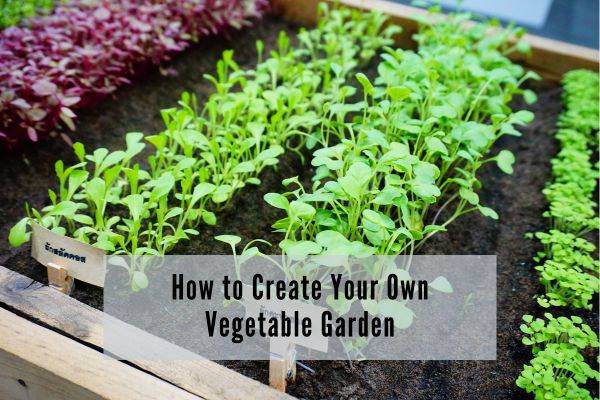
Growing vegetables in a garden or pots are one of the best ways to boost your nutrition this spring and summer. The good news is that it is simple, you don’t need as much space as you think and there are plenty of local resources to help you succeed.
What are the 3 key things in vegetables that make them so nutritious for us?
1. Fiber
Fibre promotes good digestive health but also lowers cholesterol, stabilizes blood sugar, protects against diabetes, and can help you keep full to help you move towards your personal best weight.
2. Vitamins and Minerals
Fresh veggies contain more vitamins and minerals per calorie than any other food group. Variety is the spice of life, and the best way to get a wide variety of all the vitamins and minerals you need for good health.
3. Phytochemicals
Phytochemicals are protective compounds in plant-based foods that have health-promoting and disease preventative effects. Since there are hundreds of phytochemicals in vegetables and these can’t be consumed in a supplement, be sure to eat a variety of veggies each day to maximize your health.
What can you do if you don’t have a large amount of space to grow a vegetable garden?
There are three ways to grow a vegetable garden:
- Plant one in your yard if you have space and plenty of sun.
- Plant container gardens by placing in planters/pots on sunny decks.
- Join a community garden and rent a plot.

Another option is to consider a U-pick farm or visit your local farmers market (such as these ones in Calgary where I live here: local YYC Farmers Markets) if you want the benefits of a garden but don’t have the space or time to do it yourself. You can also go with a Community Supported Agriculture (CSA) program such as this local one where I live in the Calgary area by YYC Growers & Distributors.
Growing vegetables: What should I plant?
If you don’t have much space consider lettuce, kale, swiss chard, arugula, spinach, herbs and tomatoes in containers and planters. Cut salad greens as they are ready and reseed once the plant goes to seed or becomes bitter in taste. If you have additional space and/or a plot consider adding carrots, beets, radishes, potatoes, onion, garlic and squash. Other great perennial options that take some time to establish include asparagus, raspberries, strawberries and rhubarb.
What are the key nutrients in your garden?
Root Vegetables (carrots, potatoes, beets, sweet potatoes, yams, turnips, parsnips etc.)
- Potassium, fibre, vitamin C, carbohydrates
- Orange, yellow, and red roots have high concentrations of beta carotene and other antioxidants associated with a decrease in cancer and heart disease.
Allium vegetables (onion, garlic)
- Organosulfur compounds (allylic sulfides) inhibit blood clotting, reduce blood cholesterol levels, and lower the risk of some cancers.
- Vitamin C, potassium, and trace minerals.
Cruciferous veggies (broccoli, cauliflower, cabbage, radishes, turnips etc.)
- Carotenoids – cancer preventative compound found in deep green and red varieties
- Vitamin C, magnesium, potassium, vitamin K, fibre
- Indoles – lower cholesterol levels and protect against cancer – especially breast cancer
Squash (zucchini, yellow/acorn/spaghetti/butternut, pumpkin)
- Deep yellow and orange varieties like pumpkin, butternut, and acorn squash are rich in carotenoids.
- Potassium, B-vitamins, vitamin C, folic acid, fibre, and carbohydrates.
Peppers (sweet bell peppers and hot peppers)
- Vitamin C, minerals, fibre
- Red and green peppers contain carotenoids
- Hot peppers contain capsaicin – lowers cholesterol etc.
- In general the riper (redder) varieties are higher in nutrients than the unripe (greener) varieties.

Greens (Romaine Lettuce, leaf lettuce, spinach, kale, arugula, dandelion greens etc.)
- The deeper the green the better nutrient density!
- Beta-carotene, fibre, calcium, iron, vitamin C, vitamin K
- Folic acid – reduces the risk of heart disease and neural tube birth defects
- Spinach is high in lutein – slows macular degeneration of the eye
Fruits (tomatoes, strawberries, raspberries, saskatoons etc.)
- Tomatoes and tomato based products (bruschetta, salsa, canned stewed tomatoes, tomato sauce) contain lycopene which reduces the risk of prostate, lung, stomach, breast and colon cancer.
- Berries are especially high in phytochemicals including cancer preventative carotenoids and are some of the highest fibre fruits around. Soluble fibre in berries help to reduce cholesterol.
Helpful Home Garden Resources
Creating Your Own Edible Small Space Garden by Food Bloggers of Canada
Growing Vegetables by Green Gate Garden Center
Planning Your First Edible Garden from Truc Nguyen, CBC
Want to start eating healthy but don’t know where to start?
If you are seeking support to help to make meal planning simple if you are cooking for one, don’t want to spend oodles of time in the kitchen or find yourself eating out often, we can help. We specialize in health without guilt or complexity.
Our Dietitian Calgary / Online Nutritionist team can work with you in person at our Calgary office or online through our virtual private and secure video conferencing services. Learn more about nutrition counselling or simply contact us below to get started:
Hungry to learn more? Check out these interesting articles!

About Andrea Holwegner
CEO, Registered Dietitian, Counseling Practice Director & Professional Speaker
Andrea the «Chocolate Loving Nutritionist» is founder and CEO of Health Stand Nutrition Consulting Inc. since 2000. She is an online nutrition course creator, professional speaker and regular guest in the media. Andrea is the recipient of an award by the Dietitians of Canada: The Speaking of Food & Healthy Living Award for Excellence in Consumer Education....Read more
