
“Picky Eating” vs ARFID: Understanding the Key Differences 

How to tell the difference between “picky eating” and ARFID
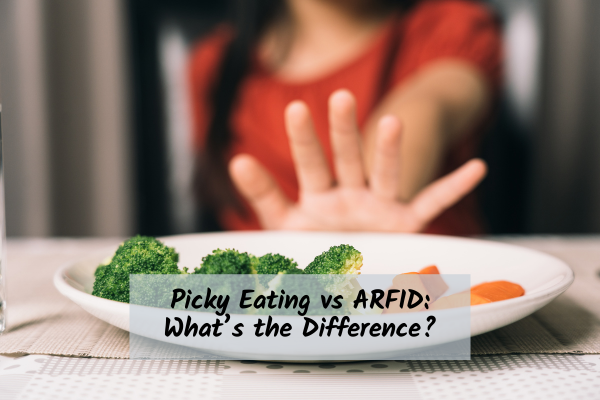
*Due to the stigma and negative connotations often associated with the term “picky eating”, this blog post will put quotation marks around the term or pair it with “selective eating” to promote a more respectful vocabulary. However, since “picky eating” is a widely recognized term that many individuals use to describe themselves, we will continue to include it in this blog post to make it easier for people to find support and resources online.
Each of us have our own unique food preferences and it’s entirely normal to dislike certain foods. While some of us are naturally more adventurous with food, others may require more time to observe and warm up to the idea of new food.
These differences in eating habits are a natural part of who we are as individuals. However, when a person’s food preferences are repeatedly labeled as “picky eating” from a young age into adulthood, it can become disheartening, demoralizing and emotionally taxing. This is especially true when well-meaning comments and questions from family and friends can often lead to discouragement rather than motivation:
“You should have outgrown your picky eating by now.”
“Why can’t you just try it? It tastes really good!”
“If you are hungry enough, you’ll eat whatever is available.”
“Stop being so dramatic, it’s just food—put it in your mouth and chew”
It is important to acknowledge that eating behaviour is complex and being selective with food are often beyond one’s control. In many cases, it serves as a mechanism to ensure safety and comfort. This is not about being “stubborn”, “difficult” or intentionally challenging others.
While “picky eating” may vary in degrees and result in limited range of food choices, Avoidant/Restrictive Food Intake Disorder (ARFID) is a clinically recognized eating disorder that significantly impacts an individual’s nutrition, health, and quality of life. If left untreated, ARFID can lead to severe health consequences. Understanding the key difference between these two is essential for individuals to seek the appropriate support.
Key Takeaways:
Differences Between “Picky Eating”/Selective eating and ARFID
- Medical diagnosis: “Picky eating” is often a behavioral trait, whereas ARFID is a type of eating disorder, clinically diagnosed by healthcare professionals based on specific criteria in the DSM-5.
- Impact on Nutrition and Health: “Picky eating” rarely results in severe nutritional deficiencies, while ARFID can lead to malnutrition, issues with growth/delated puberty in kids, significant health risks, and some may have a reliance on oral nutritional supplements to maintain weight and heath.
- Level of Anxiety and Distress: People with “picky eating” behaviours may avoid certain foods, but don’t usually experience intense anxiety when encouraged to try them. In contrast, individuals with ARFID often experience extreme distress or fear around food, affecting their psychological well-being.
- Persistence and Severity: “Picky eating” generally improves with time and exposure, whereas ARFID tends to persistent and may worsen if not addressed by a team of health professionals.
- Social and Functional Impact: “Picky eating” can be frustrating and inconvenient at times, while ARFID can profoundly interfere with daily life, making social events, dining out, or even meal planning extremely difficult.
What Is “Picky Eating”/Selective Eating?
“Picky eating”/Selective eating typically refers to a strong preference for certain foods, an aversion to others, along with a reluctance to try new foods. This behaviour can stem from factors such as texture, taste, or previous negative experiences with food. However, people with selective eating generally maintain adequate nutrition and can expand their diet over time with gradual exposure.
Common characteristics of selective eating include:
- Preferring familiar foods and avoiding new ones (while tolerating the presence of new food on their plates)
- Disliking specific textures or flavors
- Being selective but still consuming a variety of foods
- Typically eats with family and friends though they may choose to swap out certain food items.
- Experiencing mild inconvenience rather than significant distress or fear around eating.

What Is ARFID?
ARFID is an eating disorder characterized by extreme food restriction that goes beyond personal preference, often resulting in nutritional deficiencies, weight loss, or the need to rely on oral nutritional supplements to meet dietary requirements. Unlike other eating disorders, majority of ARFID food avoidance are not driven by body image concerns. Their intense anxiety or distress when confronted with unfamiliar foods can lead to social isolation, such as eating alone, avoid gatherings that involve food or have difficulty maintaining relationships. (Read more about AFRID)
There are generally three commonly recognized subtypes in AFRID – though they are not officially listed in the DSM-V (Diagnostic and Statistical Manual of Mental Disorders, Fifth Edition).
1. Restrictive subtype
Characterized by inadequate food intake due to low appetite and a lack of interest in food. Individuals may forget to eat or become easily distracted during mealtime. They may have a history of weight loss and low weight, despite a desire to eat more and gain weight, but struggling to do so.
2. Avoidant subtype
Individuals avoid entire food groups or eating only a narrow selection of foods based on sensory factors—such as appearance (including look and colour), smell, textures and temperature. Often, these people are “super tasters” who become overstimulated by certain foods.
3. Aversion subtype
This subtype describes food refusal, avoidance and/or restriction due to aversive or traumatic experiences with food in the past, such as a choking incident, food poisoning or a medical diagnosis/procedure. As a result, individuals avoid foods that could trigger memories of the original anxiety-provoking event.
On the other hand, clinicians also recognize that individuals may not fit neatly into the above categories, which is why additional subtypes have been described:
Mixed subtype
Individuals display characteristics of multiple subtypes, typically showing one set of features initially but acquiring other features of other subtypes over time.
AFRID-Plus subtype
Individuals with one of the AFRID subtype presentations who begin to develop characteristics of anorexia nervosa, including concern about body weight and size and negative body image.
When and How to Seek Support
The food-related challenges associated with AFRID extend beyond typical “picky eating” and significantly affect both physical and mental health due to rigid eating behaviours.
If you or someone you care about is struggling with limited food intake, fear around eating, or nutritional deficiencies due to food avoidance, it may be time to seek support. While picky eating can be a normal part of development—especially in children—ARFID is a complex eating disorder that often requires specialized treatment to address both the psychological and physical aspects of the disorder.
Early recognition and intervention by a highly experienced multi-disciplinary team is critical to helping individuals with AFRID receive the treatment and support they need, which may include a combination of healthcare providers such as family doctors, psychiatrists, psychologists, registered dietitians, occupational therapists and speech-language pathologists.
Consider reaching out for support if you notice:
- Significant weight loss or failure to gain weight/grow as expected
- Nutritional deficiencies or reliance on supplements due to restricted intake
- Intense anxiety or distress around food and eating
- Avoidance of social situations involving food
- A very limited number of accepted foods, especially if that list is shrinking
- Physical symptoms (like fatigue or dizziness) linked to inadequate intake
Working with a team of professionals can help:
- Identify whether symptoms align more with picky eating or ARFID
- Address nutritional concerns and support a balanced diet
- Reduce food-related anxiety using evidence-based strategies
- Rebuild confidence and enjoyment around food
Final Thoughts:
In conclusion, while “picky eating’ and ARFID may appear similar on the surface, they are fundamentally different in terms of their impact on health and well-being. “Picky eating”/selective eating, although limiting, typically does not result in severe nutritional deficiencies and can improve with gradual exposure to new foods. In contrast, ARFID is a serious eating disorder that can lead to significant nutritional imbalances, anxiety around food, and a decreased quality of life if left unaddressed.
Are you looking for an experienced and compassionate Dietitian for ARFID or selective eating? You’ve come to the right place.
Since 2000, our team has specialized in nutrition counseling for ARFID, mental health, eating disorders, and “picky-eating” or selective eating.
Learn more about our dietitian-led nutrition counselling or simply contact us below to see how we can help.
Check out these related blogs on our website:

Brought to you by our friendly Registered Dietitian team at Health Stand Nutrition Consulting Inc. For more balanced living advice check out our RESOURCE MEGA BANK of nutrition articles, videos, healthy recipes, newsletters and meal planning kits here: www.healthstandnutrition.com/personal-nutrition/resource-mega-bank/
