
Top Superfoods for Menopausal Women 

Maximize your health with these nourishing superfoods for menopause!
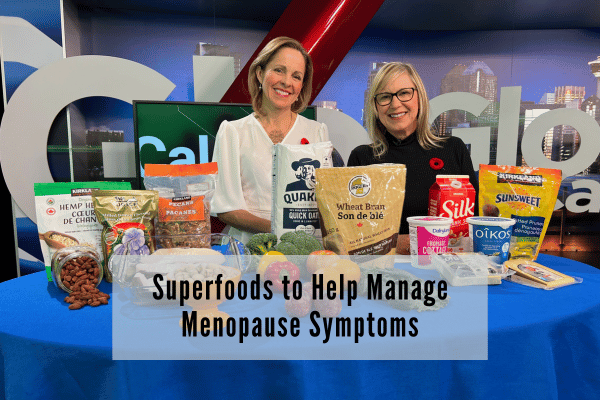
Perimenopause and menopause certainly brings out many changes for women both in the short term as well as the long term. The good news is that nutrition can play an important role in helping to improve some of the longer health issues that tend to pop up for women in their 40’s and 50’s. Nutrition also can play an important role in helping managing some of the uncomfortable symptoms such as hot flashes, fatigue and mood changes.
What medical conditions rise for women at menopause?
As hormones change for women in their 40’s and 50’s so does the risk of certain medical conditions and challenges including these 4 common ones:
Cardiovascular disease & diabetes
As your estrogen levels decline, the risk of cardiovascular disease rises. Given heart disease is the leading cause of death in women, nutrition plays a critical role in helping both prevent and manage heart disease, stroke, blood cholesterol levels and your blood pressure. Researchers are looking into the protective effects of estrogen against developing diabetes and there is evidence suggesting decreased estrogen levels during menopause can increase the risk of developing diabetes.
Lowered bone density
Falling hormone levels also leads to bone density loss. The risk of osteoporosis and fractures of the spine, hips and wrists become a much more significant issue at menopause. Keeping active with weight bearing activity and choosing foods good for your bones is critical before, during and after menopause.
Weight gain
As you age your muscle mass naturally declines, which lowers your metabolism and makes it often more challenging to maintain your weight. Hormone changes during menopause also increase the rate at which you store visceral fat surrounding the vital organs deep within the abdomen area. Changing hormones at menopause can also lead to sleep disturbances and mood changes which can also indirectly influence eating and exercise habits in a negative way.
Digestion changes
Fluctuating hormones at menopause may contribute to gas, bloating and sluggish intestines which can lead to more difficulty with regular bowel routines and constipation. It is very important to eat regular meals, consume adequate fluids and eat enough fibre to help support good digestive health to help manage these symptoms. Read more about menopause and digestive health here: Does Menopause Affect Digestion? 4 Ways to Manage Discomfort
Read more about the changes that occur in your health in our previous blog article here: Managing Menopause: Estrogen & Your Health
What foods should menopausal women eat more of?
The latest research shows that the most important way to sustain long-term health is to think about your overall diet and an emphasis on whole foods rather than simply just focusing on eating less of a single nutrient (such as fat or sugar). You might also want to check out this previous popular article What is the best diet to follow? on our blog
The best protection against heart disease, cancer and osteoporosis is to emphasize whole foods (the stuff the grows in the ground, on trees and generally would be recognized by your grandparents as “real” food)
- While debates exist about which is the so-called “best diet” for health and achieving your personal best weight, eating more plant-based foods (vegetables and fruits) is always recommended.
- Research on women’s health also suggests whole grains, legumes, nuts, fish, ground flax, olive oil, soy, dairy and prunes also have health promoting effects for women in menopause.
- Reduce caffeine, alcohol and potentially spicy foods as discussed here in one of our previous articles on nutrition in menopause: Foods for Menopause.
Superfoods for Menopause
While there are many foods that menopausal women should eat more of to maximize their health, here are some key foods you may not be thinking about and why they are especially good for this phase of life:
1. Dairy, Soy & Prunes
Dairy foods such as milk, yogurt and cheese alongside soy foods such as soymilk, tofu, edamame beans are excellent additions to your diet during menopause. These foods contain good levels of protein needed for sustaining energy and fullness as well as contain calcium which assists in the creation of new bone and helps to maintain your current bone density. Wondering about the safety of soy foods? Research shows soy foods are health promoting especially for women – find out more here on the safety of soy foods for long term health.
While you may think that prunes are purely making this list due to their fibre content and being one of the best natural constipation remedies, prunes are on the list for another reason. Research shows a serving of 5 prunes daily helps slow bone loss in postmenopausal women. This is not because prunes are a source of calcium, but instead possibly through the stimulation of bone formation.
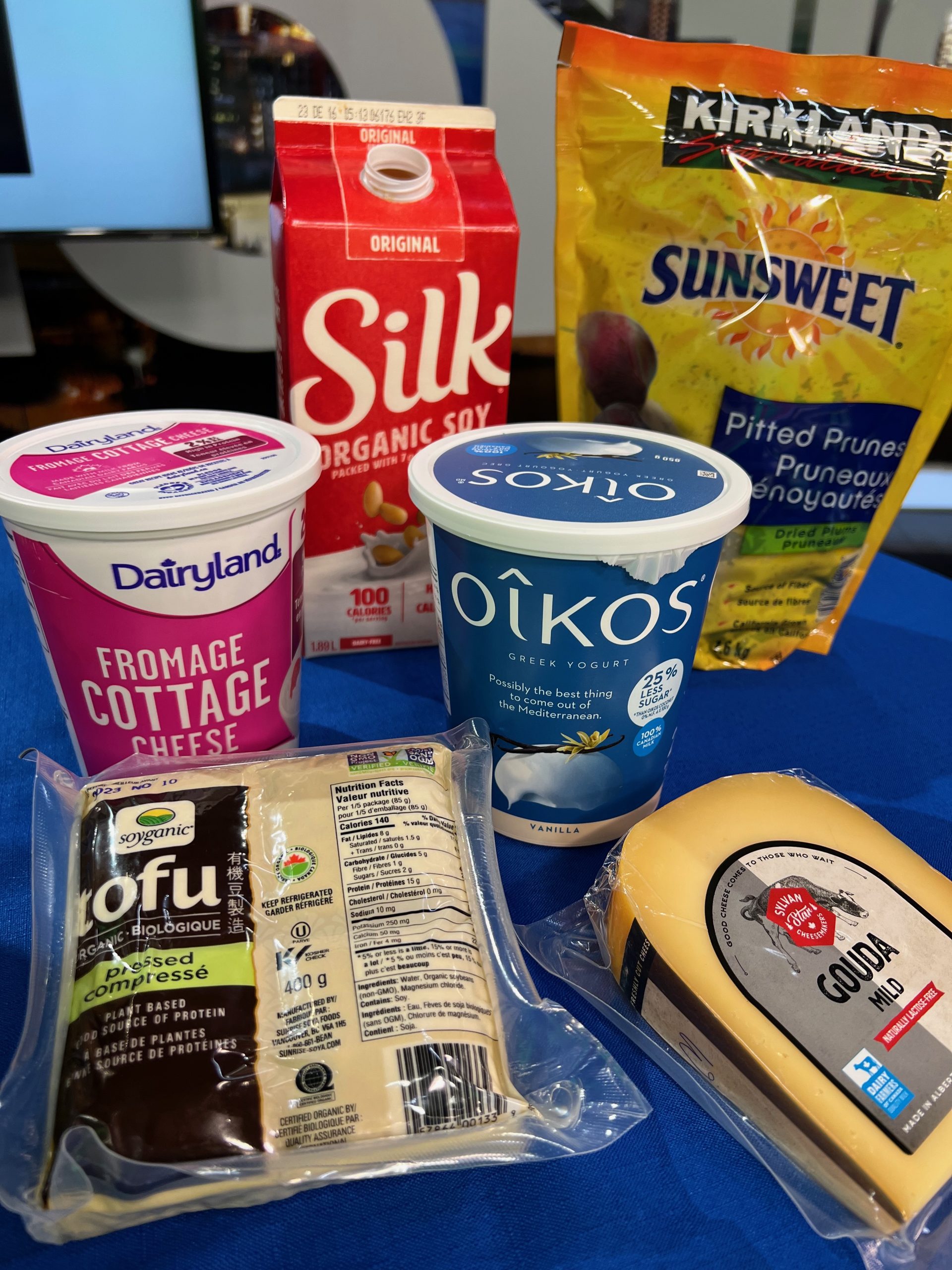
Ways to enjoy dairy, soy and prunes:
- Enjoy a handful of prunes and glass of milk or soy milk or wedge of cheese or Greek yogurt as a great partnered healthy snack attack
- Slice and prunes and edamame beans to green salads, quinoa salad or stewed into chicken dishes
- Cook your morning oatmeal in milk or soy milk for an extra boost of protein and calcium and toss in some sliced prunes for natural sweetness
- Add milk or soy milk or soft tofu to your morning smoothie alongside your favorite berries and a frozen banana. Prunes can be added to smoothie as a natural whole food sweetener.
2. Fish, Flax & Nuts
Fish, ground flax and nuts are all healthy foods that supply healthy fats good for long term health. Omega 3 fats found in fatty fish, ground flax seeds, walnuts, pecans, chia seeds and hemp hearts) are good for keeping your blood less sticky and less likely to cause heart attacks and strokes.
Omega 3 fats, especially fish fats are also helpful in reducing blood pressure, lower blood triglyceride levels which is important to keep your arteries healthy.
Flaxseed has also been found in some research to improve menopause symptoms such as hot flashes and be helpful for cancer prevention. Be sure to grind your flax seeds (or purchase pre-ground flax seeds and store in the freezer to keep them fresh) to ensure your body gets the benefit of the omega 3 fats as well as the fibre.

Ways to enjoy fish, flax and nuts:
- If you enjoy fish, eat fatty fish twice per week – any way you like (grilled, poached, as a sandwich, on top of a salad or in sushi)
- Choose a fish meal when eating out or go for sushi
- Sprinkle ground flax, chia, hemp hearts or nuts onto your cereal, oatmeal, breakfast parfaits and more
- Add ground flax, chia, hemp hearts or nuts into your baked goods, energy balls, muffins, waffles, breads and desserts
- Ground flaxseeds can replace oil in a baking recipe in a 3 to 1 ratio because of its high oil content (for example if a recipe calls for 1/3 cup oil, use 1 cup of ground flax to replace the oil and note that your baked good may brown quicker)
- Use ground flax as a binder in ground meats and poultry for burgers, meatballs and meatloaf
3. Bran, oats & whole grains
It is no surprise that wheat bran, oat based foods and other whole grains are good for digestive health and improving overall regularity of bowel movements, especially when hormone levels are changing throughout menopause.
Fibre rich foods are also important for women to help provide satiety and longer lasting fullness which can help weight management efforts.
Oat bran, rolled oats, whole oat flour and psyllium based bran cereals contain a type of fibre that has been shown in research to reduce blood cholesterol levels which is a risk factor for heart disease.
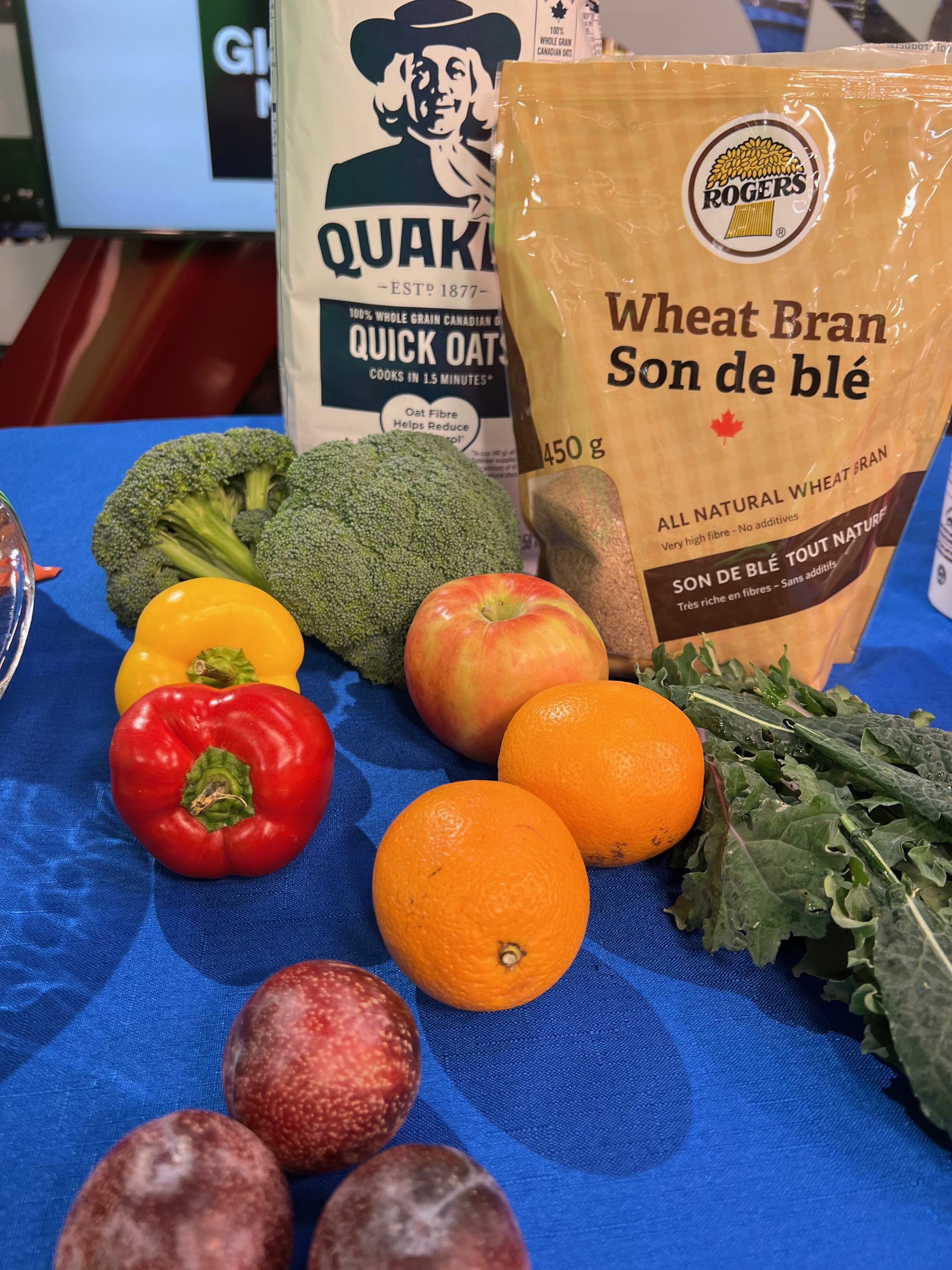
Ways to enjoy bran, oats & whole grains:
- Eat hot cereal such as oatmeal or oat bran for breakfast or try overnight oats
- Make healthier desserts such as oatmeal cookies and fruit crisps more often
- Mix in a bran or psyllium based cereals to your other breakfast cereals or granola
- Make a batch of bran or oat bran muffins and toss them into the freezer for speedy breakfast and snack grabs.
- Try muffin tin baked oatmeal cups such as this recipe on our blog for Blueberry Pecan Baked Oatmeal
- Blend bran and oat bran into smoothies
Looking for personalized menopause diet support? Our Dietitian team can help you navigate menopause challenges.
If you are seeking support for menopause, weight concerns, emotional eating and finding an eating style that doesn’t expect you to be perfect and can work for your life, you’ve come to the right place.
As Registered Dietitians that specialize in women’s health and a variety of other specialties, we can see you in our local Calgary office or online virtually across Canada.
Read more about our personalized nutrition counseling programs and book an appointment to discover the transformational difference our Dietitians can have on your life.
Why stop there? There’s plenty more to learn about nutrition for menopause:

About Andrea Holwegner
CEO, Registered Dietitian, Counseling Practice Director & Professional Speaker
Andrea the «Chocolate Loving Nutritionist» is founder and CEO of Health Stand Nutrition Consulting Inc. since 2000. She is an online nutrition course creator, professional speaker and regular guest in the media. Andrea is the recipient of an award by the Dietitians of Canada: The Speaking of Food & Healthy Living Award for Excellence in Consumer Education....Read more
