
Anorexia vs Bulimia: What’s the Difference and Where Do I Begin If I Need Help? 

Learn about anorexia and bulimia symptoms, treatment, and more
*Trigger warning: Discussion of eating disorders*
Written by Emily Chow, University of Alberta Student in the Nutrition and Food Science program at the University of Alberta and reviewed by our Health Stand Nutrition Dietitian Team
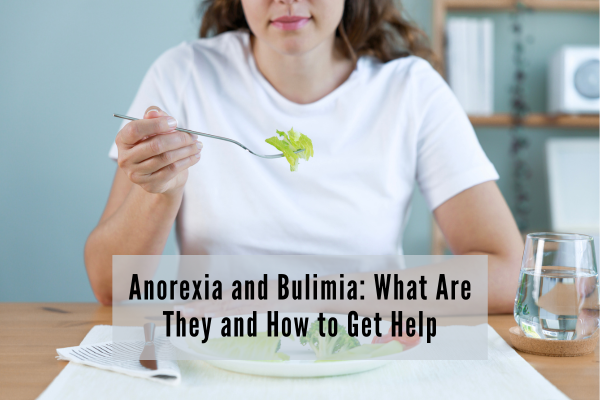
Anorexia vs Bulimia
In Canada, approximately 1 million people have been diagnosed with an Eating Disorder, which includes Anorexia, Bulimia, Binge Eating Disorder, ARFID (Avoidant Restrictive Food Intake Disorder) and others. Eating disorders are serious and can be fatal but they are also treatable mental illnesses especially when support is provided as soon as possible. Eating disorders can adversely affect daily function, health and emotions. Eating disorders can affect anyone and they’re more than just about the food.
Anorexia Nervosa and Bulimia Nervosa are both categorized as eating disorders and have some similar patterns however, they both exhibit clear differences. In this blog post, we’ll compare the diagnostic criteria and symptoms between Anorexia Nervosa and Bulimia Nervosa, as well as highlight the treatment for these eating disorders.
Anorexia and Bulimia Diagnostic Criteria
The diagnostic criteria of Anorexia and Bulimia is recognized by the DSM-V which is a standard manual for the classification of mental disorders used by health professionals.
The Anorexia Nervosa diagnostic criteria includes a restriction of energy intake that leads to a significant weight loss. There is also an intense fear of gaining weight and a disturbance of body image.
The Bulimia Nervosa diagnostic criteria includes recurrent episodes of binge eating where the individual lacks a sense of control with an amount of food larger than usual. The individual will also engage in compensatory behaviours in an attempt to prevent any weight gain which may include vomiting, laxatives or excessive exercise. The binge eating and compensatory behaviour must occur at least once a week for 3 months to be considered part of the diagnostic criteria for bulimia nervosa.
The primary difference between Anorexia vs Bulimia is that Anorexia involves some kind of body image disturbance where the individual may try to lose weight. A person with Bulimia may use strategies to purge food following an episode of binge eating.
Overall Symptoms
Anorexia and Bulimia are both serious eating disorders with different yet overlapping physical symptoms. Some physical symptoms of anorexia include dry skin, brittle nails, hair loss, abdominal pain, muscle weakness and Anemia. Some physical symptoms of Bulimia include bloating, muscle spasms, dental issues, swollen throat and puffy face due to vomiting. Both disorders may include fatigue, dizziness and an absent menstruation.
Behavioural symptoms of eating disorders may impact the individual’s relationship with food. People with anorexia may also exhibit some behavioural symptoms including skipping meals, extreme obsession on calories, struggling in school/work or distancing themselves from social situations.
Bulimia may also show some behavioural symptoms including being secretive about food, feeling guilty about eating and extreme fluid intake. Bulimia involves some compensatory behaviour following a binge eating episode which may include self-induced vomiting, excessive exercise or laxative use.
Eating disorders are mental illnesses, therefore they include psychological symptoms which can impact an individual’s mental and emotional well-being. Psychological symptoms for Anorexia and Bulimia are very similar. They both may include depression, anxiety, mood swings, low self-esteem and impulsive behaviours.
Did you know that most eating disorders occur in average or large body sizes? Learn more about weight stigma in eating disorders here

Treatment Towards Recovery for Anorexia and Bulimia
Treatment for eating disorders may vary depending on your diagnosis and severity of symptoms. It may involve hospital monitoring/support, medications, personal and family therapy as well as education on nutrition. The first and most important step in treating an eating disorder is to see a healthcare professional that specializes in eating disorders such as a Physician, psychologist/therapist or Registered Dietitian specializing in eating disorders. Treatment will likely involve support by all three of these specialists.
It is important to remember that treatment requires time and patience. There are many resources and support systems online to help guide you through treatment. Be aware that there’s a lot of misinformation online, so be sure to follow credible organizations such as NEDIC (National Eating Disorder Information Centre) in Canada or NEDA (National Eating Disorder Assocation) in the United States for more information.
Anorexia and Bulimia are very different eating disorders with some overlapping characteristics. Eating disorders are serious mental disorders that can be treated with the help of medical professionals including a physician, a registered dietitian and psychologist/therapist. Prolonged, untreated eating disorders can be extremely detrimental to one’s physical and mental health. The first step is to ask for help.
Are you looking for help and support for eating disorder recovery? Our compassionate and experienced team of Eating Disorder Dietitians can help you take the next step to explore recovery at a pace you can manage. Contact us to book a free phone consultation today to learn more about our nutrition counselling services.
Do you or a loved one have an eating disorder or think you might? Take the first step here. Our compassionate eating disorder Dietitians can help
Our Eating Disorder Dietitians on our team can help provide you with the confidential supportive care to meet you where you are at and work with you to progress recovery at a pace you can manage. We’ll guide you to heal your relationship with food and your body.
We also work collaboratively with your physician and therapist to ensure we are helping you move forward with the right type of support needed to assist you.
Book a free phone consultation to learn more.
Learn more about eating disorders from our Registered Dietitians:

Brought to you by our friendly Registered Dietitian team at Health Stand Nutrition Consulting Inc. For more balanced living advice check out our RESOURCE MEGA BANK of nutrition articles, videos, healthy recipes, newsletters and meal planning kits here: www.healthstandnutrition.com/personal-nutrition/resource-mega-bank/
