
Preserving Summer: How to Store & Prepare Your Fall Harvest 

Summer’s end might be right around the corner, but that doesn’t mean your harvest has to end! Here’s how to keep your harvest going all Fall long with apples, beets, broccoli, and pears!

Whether you’re a seasoned green thumb, or planted your first home garden this year, it can be challenging to know what to do with all your harvested produce and minimize food waste. As most of my clients live in Alberta and Ontario, we will be looking at those fruit and vegetables that are in season in both these provinces into early Fall. Read on to get fresh ideas to enjoy the fruit (and veggies!) of your labour this past season.
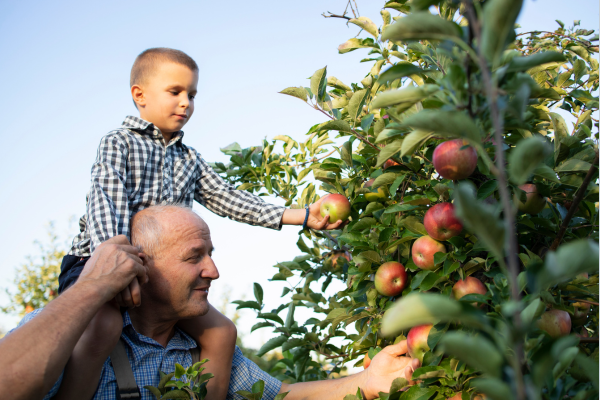
Apples
Did you know that 100 different varieties of apples are grown in Canada? The very first trees were planted in Nova Scotia’s Annapolis Valley in 1633 and we can now see upwards of 10 varieties of apples in store each time we go grocery shopping.
Nutrition Profile
Source of fibre (both insoluble and soluble), Vitamin C and phytochemicals.
How to Store & Preserve Apples:
- Separate out those apples with soft spots or bruises, as these produce ethylene gas which can speed up the ripening process of surrounding apples. Apples with intact stems also keep longer as they have a lower chance of microorganisms entering the top.
- Crisp, tart apples with a thick skin can last 6 months or longer compared to sweeter varieties.
- Wrap each apple with paper and store in a box in a cool, dark place. Check in on apples periodically and remove any with soft spots or bruising.
- Freeze: toss cut apples in lemon juice, then dry them. Flash freeze these tossed pieces, or even whole apples overnight. Transfer to freezer bag for use later on.
Apple Recipe Ideas
Fresh Apples:
Turkey Chili with Butternut Squash and Apples
Frozen Apples:
Beets
These deep red root vegetables are a dual crop- meaning you can use the root and the leaves in cooking. Historically, beets were black or white in colour and not the red, yellow and white varieties we see today. They became popular worldwide only after it was discovered that they grew well in the Winter months. To this day, beets account for 20-30% of the world’s sugar production.
Nutrition Profile:
Beet Root : Source of fibre, carbohydrates, folate, potassium and other essential nutrients like iron and B vitamins.
Beet Greens: Fibre, carbohydrates, and vitamins A, C and K.
How to Store & Preserve Beets:
- Fresh beets can be stored in the refrigerator for up to a week. Leave about 1 inch of stem on each beet and store the greens separately.
- Longer term storage: brush off any dirt and bury them in layers, not touching each other in sand or sawdust. Store in a cool dark place. Watch out for sprouting which is a sign of decay.
- How to freeze beet roots
- How to freeze beet stems
- How to can beets
- How to make pickled beets
Beet Recipe Ideas:

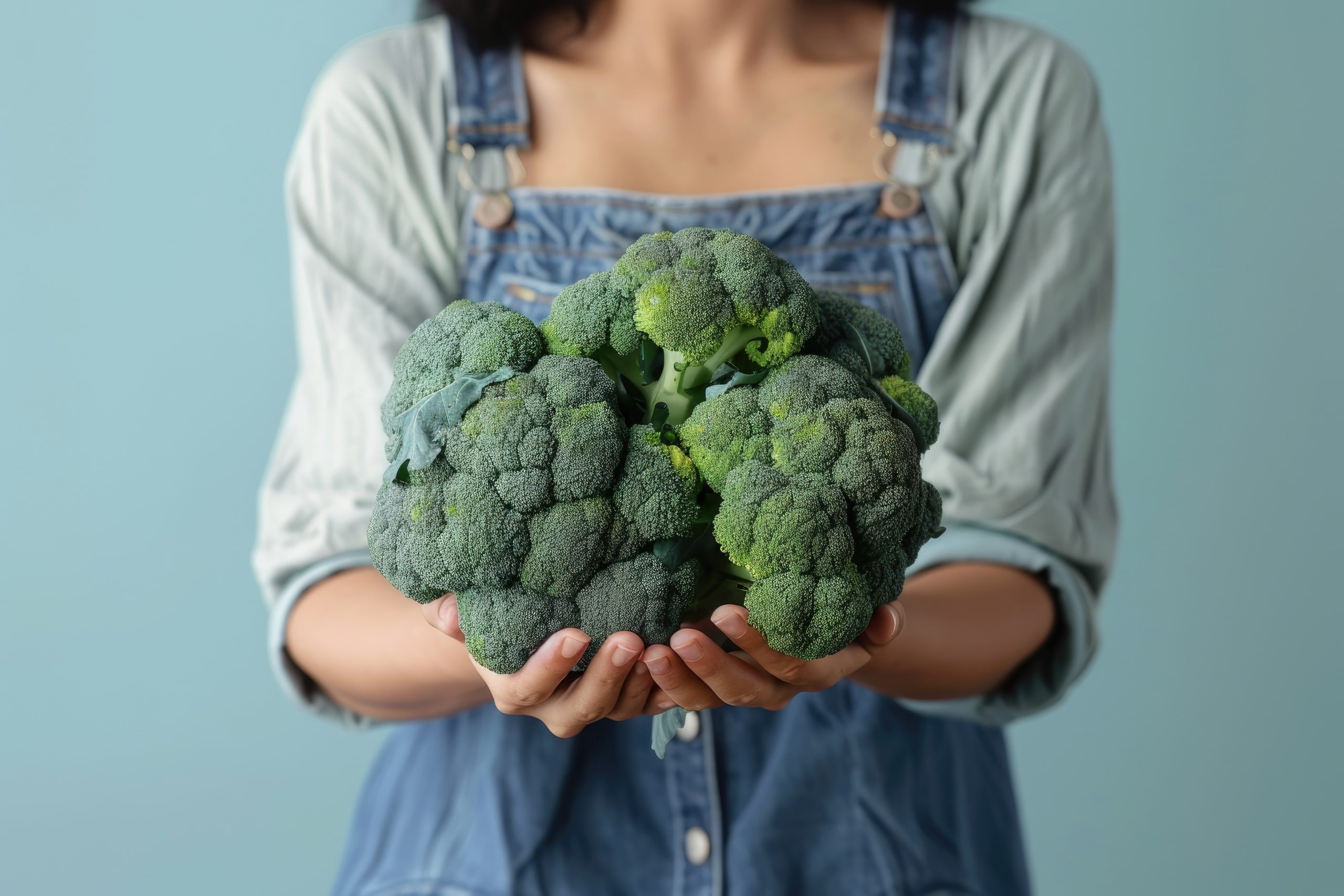
Broccoli
This cruciferous vegetable is related to cabbage, kale, Brussels sprouts and cauliflower. Similar to a large edible flower, both the stalks and florets can be enjoyed raw or cooked. Engineered from a cabbage relative by horticulturalists in ancient Italy, it’s name “Broccolo” translates to “the flowering crest of a cabbage”.
Nutrition Profile:
Like its relatives, broccoli is packed with several nutrients, including fibre, folate, antioxidants, vitamin C and vitamin K.
How to Store & Preserve Broccoli:
- Fresh broccoli can be stored in the refrigerator for up to 2 weeks. This can be done in a few easy ways, including placing it in a perforated plastic bag and into the crisper, OR place the stems into a container with less than an inch of water and cover the florets loosely with plastic wrap. Change out the water daily for optimal freshness.
- Freezing: boil bite sized pieces for 3 minutes, drain, then place into an ice bath for another 3 minutes. Drain, dry, then flash freeze on baking sheet. Transfer into freezer bags and your broccoli can keep up to a year.
Broccoli Recipe Ideas:
Pears
One of the oldest cultivated fruits, this sweet and juicy fruit now comes in over 3000 varieties worldwide! In Canada however, there are closer to 10 commonly grown varieties, such as Anjou, Bosc, Bartless and Asian pears. Pears are easier to grow than most other types of fruit and some varieties like the So Sweet pear can handle Canada’s coldest climate areas. Pears ripen from the inside out, so they are usually picked when still firm and hard, and then ripened off the tree.
Nutrition Profile:
Pears are one of the highest fibre fruit, offering 5g each. They’re also a good source of vitamin C, potassium, folate and polyphenol antioxidants.
How to Store & Preserve Pears:
- Pears can be stored for 1-3 months in the refrigerator. To ripen, take them out of the fridge and place on the counter at room temperature. If you want to speed up the process, place pears in a sealed paper bag which will allow the ethylene gas to accumulate in the bag and ripen them faster.
- How to can pears
- How to freeze pears (with or without a syrup solution)
Pear Recipe Ideas:
Baked Pears with Honey & Ricotta

Hopefully the above tips and recipes inspired you to nurture your inner gardener and to have fun in the kitchen enjoying your beautiful harvest! Happy eating!
Looking for more nutrition facts and healthy recipes?
Don’t miss out on healthy new recipes or nutrition articles and sign up for our newsletter, today!
Sign up for our weekly newsletter for a healthy recipe of the week and nutrition articles and videos with a balanced living philosophy to help encourage healthy habits but still save room for your favourites.
This free wellness and nutrition newsletter is written by our team of Registered Dietitians so you can be sure to get the credible sound bites you need for everyday healthy living.
You’ll also receive a free copy of our ’51 Healthy Snack Attacks’ pdf!
Looking for more fall recipes? Check out these related blog posts below:

Christine Devaney Towsley B.A.Sc., RD
Registered Dietitian & Online Nutritionist
Specialty: weight concerns, intuitive eating, heart
health, family nutrition, IBS (irritable bowel disease)
A nurturer at heart, Christine will always greet you with a smile and
attentive ear. Kind hearted, empathetic and sensitive to others,
Christine takes the time to connect, build trust and truly understand
each client and tailors her sessions to each person's specific needs.
...Read more
