
Acid Reflux & GERD: Symptoms, Causes, Diet & Treatment 

Discover the symptoms, causes, treatment options, and nutrition strategies that can help you better manage acid reflux and GERD.

Acid reflux can interfere with eating, sleeping, exercising, and enjoying everyday life. As a Registered Dietitian at Health Stand Nutrition, I’ve worked with many clients who are frustrated by frequent heartburn, regurgitation, or chest discomfort and aren’t sure what’s triggering their symptoms.
The good news is that many people can successfully manage acid reflux and GERD with the right combination of nutrition strategies, lifestyle changes, and medical care.
In this article, you’ll learn what causes acid reflux and GERD, common symptoms to watch for, foods that may trigger or help manage symptoms, and evidence-based treatment strategies to help you find relief.
Key Takeaways
- Acid reflux occurs when stomach acid flows back into the esophagus.
- Frequent acid reflux (typically twice a week or more) may indicate GERD.
- Common symptoms include heartburn, regurgitation, burping, chronic cough, and difficulty swallowing.
- Diet, eating habits, body position, medications, and anatomy can all influence symptoms.
- Most people improve symptoms with individualized nutrition strategies, lifestyle changes, and medical treatment when needed.
What is Acid Reflux?
Acid reflux occurs when stomach acid or bile flows backward up into the esophagus. It can happen on occasion after large meals or after eating certain foods. When someone experiences reflux twice or more per week, they usually receive a GERD diagnosis, which is a long-term digestive disorder.
What is Gastroesophageal Reflux?
Gastroesophageal reflux disease (GERD) is primarily due to a lower esophageal sphincter (LES) dysfunction. The LES is the muscle at the bottom of your esophagus that opens to let food into the stomach and closes to keep food in the stomach. When the LES relaxes too often or for too long, stomach acid flows back into the esophagus.
Besides weakness in the LES, hormonal changes (like in pregnancy), hiatal hernias and being too full after a large meal can cause acid to escape upwards.
Common GERD Symptoms
- Heartburn (a burning sensation behind the breastbone)
- Regurgitation of food or sour stomach acid into the mouth
- Chest pain
- Frequent burping
- Nausea
- Persistent cough, sore throat or hoarseness
- Trouble swallowing or pain when swallowing
- Vomiting
Foods That May Trigger Acid Reflux
While no single food triggers acid reflux in everyone, certain foods are more commonly associated with symptoms because they can lower the pressure in the lower esophageal sphincter (LES), allowing stomach acid to flow back into the esophagus.
Common trigger foods include:
- Spicy foods
- Acidic foods (such as citrus fruits, tomato-based products, and pickled foods)
- Alcohol
- Chocolate
- Peppermint
- Fried, high-fat, or rich foods
- Coffee
However, not everyone has the same trigger foods. In fact, many people tolerate foods that bother someone else. In my work as a registered dietitian, I often see people unnecessarily avoiding dozens of foods after reading conflicting advice online. In many cases, identifying your personal triggers instead of following a highly restrictive diet leads to better symptom control while maintaining a balanced, joyful way of eating. Keeping a food and symptom journal can be a helpful way to recognize patterns and determine which foods, if any, contribute to your symptoms.
Why Do GERD Triggers Differ by Person?
If you’ve ever discussed your symptoms with friends or loved ones and wondered why certain foods bother you and not them, you’re not alone. I’ve worked with many clients who are frustrated by their GERD being caused by even the gentlest sounding foods, including rice and bananas. There are several factors at play when it comes to why:
- Digestion Speed: How quickly the stomach empties will vary from person to person. Slower digestion means food sits in the stomach longer, putting upward pressure on the LES.
- Trigger mechanism: Some individuals may experience symptoms if the food they eat increases the acidity of the stomach. Others may react more often when their esophageal sphincter pressure is affected.
- Anatomy: Physical differences like a hiatal hernia (where the upper stomach pushes into the chest cavity) alter how the diaphragm and LES function, making some people vulnerable to trigger foods that others might tolerate
Foods That May Help Manage GERD Symptoms
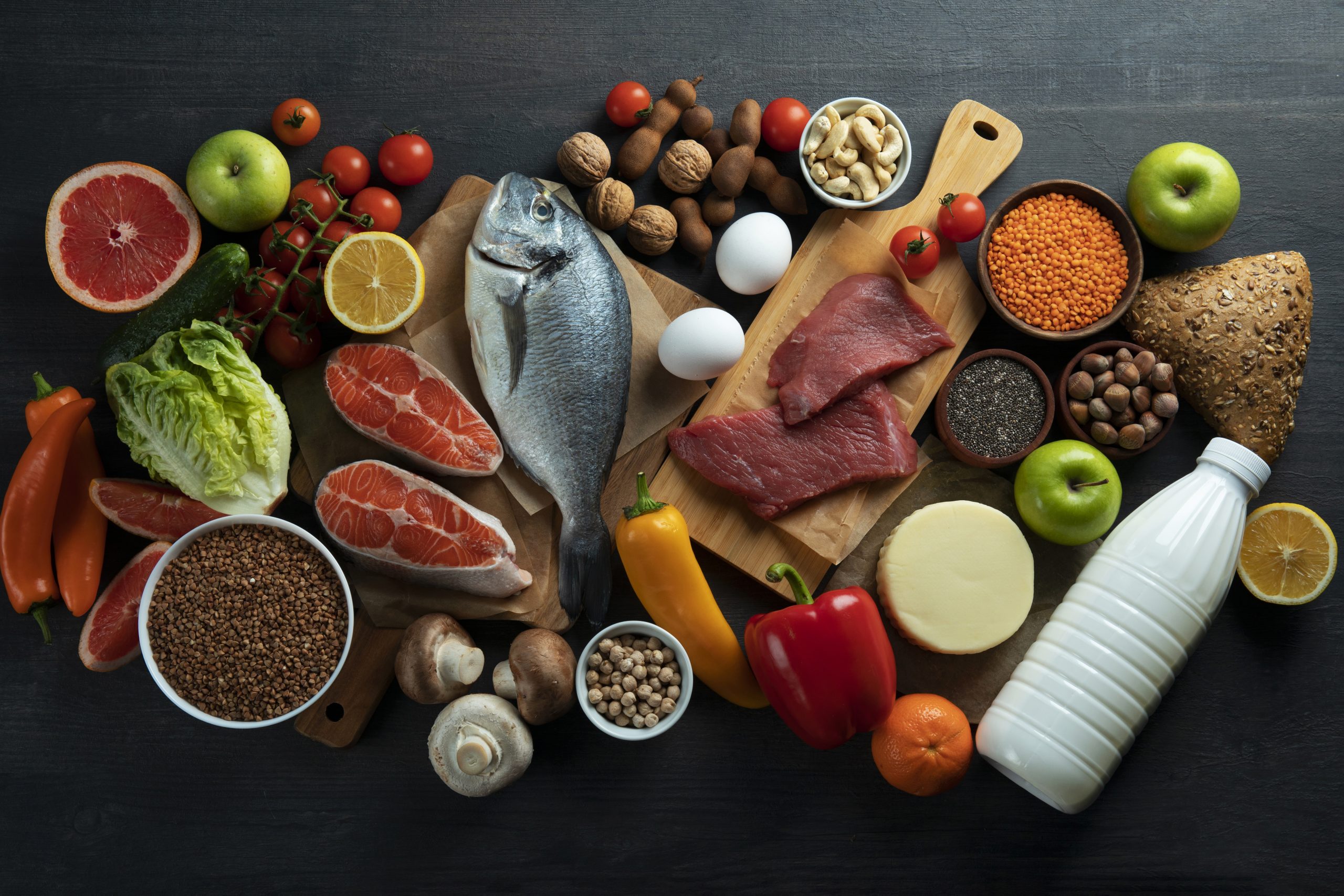
While no single food prevents or cures GERD, choosing foods that are lower in fat and higher in fibre may help reduce symptoms for some people. Foods that are often well tolerated include:
- Fibre-rich foods, such as fruits, vegetables, whole grains, beans, and lentils
- Lean protein sources, including skinless chicken, fish, eggs, tofu, and legumes
- Lower-fat dairy products, such as Greek yogurt or cottage cheese, if well tolerated
- Lean cuts of beef and pork, such as tenderloin or striploin, with visible fat trimmed
How to Manage Acid Reflux and GERD
If you’ve been battling the reflux without much relief, trying some lifestyle modifications or medications could be helpful.
Lifestyle Modifications
- Eat smaller, more frequent meals
- Avoid common trigger foods
- Slow down with chewing and eating
- Remain upright after eating, and eat your last meal ~2-3 hours before bed
- Elevate the head of your bed
- Gradually increase high fibre foods like whole grains, fruits and vegetables, nuts and seeds to your meals and snacks
- Avoid wearing tight clothing around your waist
- Quit smoking
Common Acid Reflux and GERD Myths
Myth #1: Acid reflux is just a minor nuisance that can always be managed with antacids.
Fact: While occasional acid reflux may improve with over-the-counter antacids, frequent or persistent symptoms should be assessed by your healthcare provider. Untreated GERD can lead to complications, so it’s important to seek medical advice if symptoms occur regularly or worsen over time.
Myth #2: If you don’t have heartburn, you don’t have acid reflux.
Fact: Heartburn is one of the most common symptoms of acid reflux, but it isn’t the only one. Chronic cough, frequent throat clearing, sore throat, hoarseness, regurgitation, and difficulty swallowing can also be signs of GERD.
Myth #3: Everyone with acid reflux needs to avoid the same foods.
Fact: There is no single “GERD diet” that works for everyone. Food triggers vary from person to person, and meal timing, portion sizes, and individual tolerance all play a role in symptom management. Rather than eliminating long lists of foods, it’s often more helpful to identify your own personal triggers with the support of a registered dietitian.
When Should You See a Healthcare Provider for Acid Reflux?
While occasional acid reflux is common, frequent or severe symptoms should be assessed by your primary healthcare provider (such as your family physician or nurse practitioner) to rule out underlying conditions and discuss appropriate treatment options.
Seek medical attention if you experience:
- Acid reflux symptoms more than twice per week
- Difficulty or pain when swallowing
- Unexplained weight loss
- Vomiting blood or material that looks like coffee grounds
- Black, tarry stools
- Persistent or severe chest pain (seek immediate medical attention, as chest pain can have causes other than acid reflux)
- Symptoms that continue despite medication or lifestyle changes
A Registered Dietitian can also be an important part of your care team. If you’ve been diagnosed with acid reflux or GERD, a dietitian can help you identify personal food triggers, optimize your eating habits, and develop a balanced nutrition plan that supports symptom management without unnecessarily restricting foods.
Medications Used to Treat Acid Reflux and GERD
While medications can be very effective, they work best alongside nutrition and lifestyle strategies rather than replacing them.
For advice on medications or persistent symptoms, or if you have questions regarding long-term medication use, speak with your healthcare provider.
Antacids:
- Available in chewable or liquid formats (Examples: Tums, Gaviscon)
- When taken with meals, these can help neutralize stomach acid
Proton Pump Inhibitors (PPI):
- Block the production of acid in the stomach lining (Ex: Prevacid, Nexium)
H2 Blockers:
- Reduce the amount of stomach acid production (Ex: Pepcid AC, Zantac)
Surgery and Other Treatment Options
Surgery is generally reserved for people whose symptoms don’t improve with medications and lifestyle changes, or for people who develop complications such as Barrett’s esophagus or significant hiatal hernias. These individuals may consider fundoplication surgery, a procedure that helps to reinforce the lower esophageal sphincter. Learn more about acid reflux and GERD treatment options.
While GERD can be uncomfortable and disruptive, many people experience significant improvement through targeted dietary and lifestyle changes. Because trigger foods and symptom patterns vary from person to person, a personalized approach is often the most effective strategy. If reflux symptoms are frequent, speak with your healthcare provider or a registered dietitian to develop an individualized management plan.
Need more support navigating acid reflux or GERD?
If you’re looking for personalized support to manage acid reflux or GERD, our team of Registered Dietitians can help you identify your unique triggers, build balanced meals, and develop practical nutrition strategies to reduce symptoms while still enjoying food! Book a complimentary discovery call to learn how we can help. Learn more about our Dietitian Nutrition Counselling Programs here.
As university-trained Registered Dietitians in Calgary and virtually online across Canada, you can count on us for credible advice and practical meal planning so you don’t have to stress about food anymore. You can achieve a healthy and joyous relationship with food and your body. Let’s talk about what this can look like for you.
GERD-Friendly Recipes To Try This Week!

Christine Devaney Towsley B.A.Sc., RD
Registered Dietitian & Online Nutritionist
Specialty: weight concerns, intuitive eating, heart
health, family nutrition, IBS (irritable bowel disease)
A nurturer at heart, Christine will always greet you with a smile and
attentive ear. Kind hearted, empathetic and sensitive to others,
Christine takes the time to connect, build trust and truly understand
each client and tailors her sessions to each person's specific needs.
...Read more
