
Bone Health for Women: A Dietitian’s Guide to Nutrition [VIDEO] 

Discover how nutrition, exercise, and hormonal changes influence bone health throughout a woman’s life.
When we think about bone health, calcium is usually the first thing that comes to mind. And for good reason. Calcium plays an important role in keeping our bones strong. But if you’re a woman who wants to support your bone health as you age, there’s more to the story than drinking milk or taking a calcium supplement.
As a Registered Dietitian, these are the questions I hear most often about bone health for women. Here’s a quick overview before we dig in.
Key Takeaways
- Build your bone bank early. Most of your bone mass is accumulated during childhood and adolescence, with further gains into young adulthood.
- Protect what you’ve built. Bone is living tissue that continually breaks down and rebuilds throughout your life.
- Women are at higher risk. The decline in estrogen around menopause can accelerate bone loss.
- Nutrition for bone health is about more than calcium. Vitamin D, protein, magnesium, vitamin K, and adequate overall food intake all play a role.
- Movement matters, too. Weight-bearing activity, resistance training, and balance exercises help support bone and muscle health.
- Food first, supplements when needed. Supplements can help fill nutritional gaps, but taking more isn’t automatically better.
What is peak bone mass?
Peak bone mass is the greatest amount of bone you’ll accumulate during your lifetime. Most of it is built during childhood and adolescence. In fact, by late adolescence, we’ve accumulated roughly 90% of our adult bone mass, although we can continue to build bone into our 20s.
To explain how this works, I like to imagine that we each have a bone bank account.
Build your bone bank early
During childhood, adolescence, and young adulthood, we’re building our bone bank. We’re accumulating bone mass and laying the foundation for the bones we’ll carry with us throughout our lives.
I like to think of it this way: the more bone mass we build when we’re young, the more we have to draw on as we age.
Then the goal changes
Once we’ve reached peak bone mass, the goal shifts from building as much bone as possible to maintaining what we’ve built.
Your bones are living tissue, constantly breaking down old bone and replacing it with new bone through a process called bone remodelling. This is where the bone bank analogy becomes particularly useful.
Calcium is a good example. Your body needs calcium every day for essential functions like muscle contraction, nerve function and keeping a normal heartbeat.
Because calcium is so important, your body tightly regulates the amount circulating in your blood.
If you’re consistently not getting enough calcium from food, your body can draw on the calcium stored in your bones to keep those blood levels steady. Think of that as a withdrawal from your bone bank.
One low-calcium meal isn’t going to cause osteoporosis. We’re talking about the long-term pattern. If you’re making fewer deposits and more withdrawals over many years, you can end up with less bone in your bank.
And while bone keeps remodelling throughout our lives, we can’t simply wait until we’re older and make one giant deposit to replace years of bone loss. That’s why building as much bone as we can when we’re young, and then protecting it throughout adulthood, matters so much.
Why are women at higher risk for bone loss?
Women generally have lower peak bone mass than men, and hormonal changes around perimenopause and menopause can accelerate bone loss.
Less bone in the bank to begin with
On average, women have smaller skeletons and lower total bone mass than men. That means there’s often less bone in the bank to start.
Hormonal changes speed up withdrawals
Estrogen plays an important role in protecting bone by helping to regulate the balance between bone breakdown and bone formation. During perimenopause and menopause, estrogen levels fluctuate and eventually decline.
As estrogen decreases, bone breakdown can outpace bone formation. This can lead to a period of more rapid bone loss during the menopausal transition and the years that follow. This is one reason midlife is an important time to pay attention to bone health.
Other factors can increase the risk of bone loss and fractures too, including:
- Older age and a personal history of fractures
- Low body weight or significant unintentional weight loss
- Smoking and higher alcohol intake
- Certain medications and medical conditions
- A family history of osteoporosis or hip fractures
- Reduced muscle strength, impaired balance, or a history of falls
Not eating enough can affect your bones
Our bodies need enough energy and nutrients to support our bones, muscles, and normal hormonal function. When we’re consistently not getting enough food to meet our needs, these processes can be affected.
Chronic dieting, significant weight loss, very low energy availability, or menstrual cycle changes related to not eating enough can negatively affect hormones, bone and muscle. Periods of restriction, whether in the past or right now, can affect your rate of bone loss.
If this sounds familiar, whether from a busy season of life or a longer history with food and your body, it’s worth talking to a dietitian rather than troubleshooting it alone.
So when we talk about protecting women’s bones, we’re not just talking about adding more calcium. We’re talking about adequate nutrition overall, throughout your whole life.
Which nutrients matter for bone health besides calcium?
Calcium is essential, but it doesn’t work alone. Your bones also rely on vitamin D, protein, magnesium, vitamin K, and adequate energy and nutrient intake overall.
The good news? You don’t need to track every nutrient or memorize a long list of foods. Understanding what these nutrients do can help you make choices that support your bones without making eating more complicated than it needs to be.
Calcium
Calcium is the main mineral in your bones, helping give them their strength and structure. It also supports muscle contraction, nerve function, and other essential processes. Because your body can’t make calcium, you need to get it from food or supplements.
Good sources include:
- Milk, yogurt, and cheese
- Calcium-fortified plant beverages
- Calcium-set tofu
- Canned salmon or sardines with their edible bones
- Some leafy green vegetables, such as kale and bok choy
Calcium needs vary by age. In Canada, the recommended intake for most adults aged 19 to 50 is 1,000 mg per day. Women over 50 generally need 1,200 mg per day. These recommendations refer to your total intake from food and supplements combined.
Vitamin D
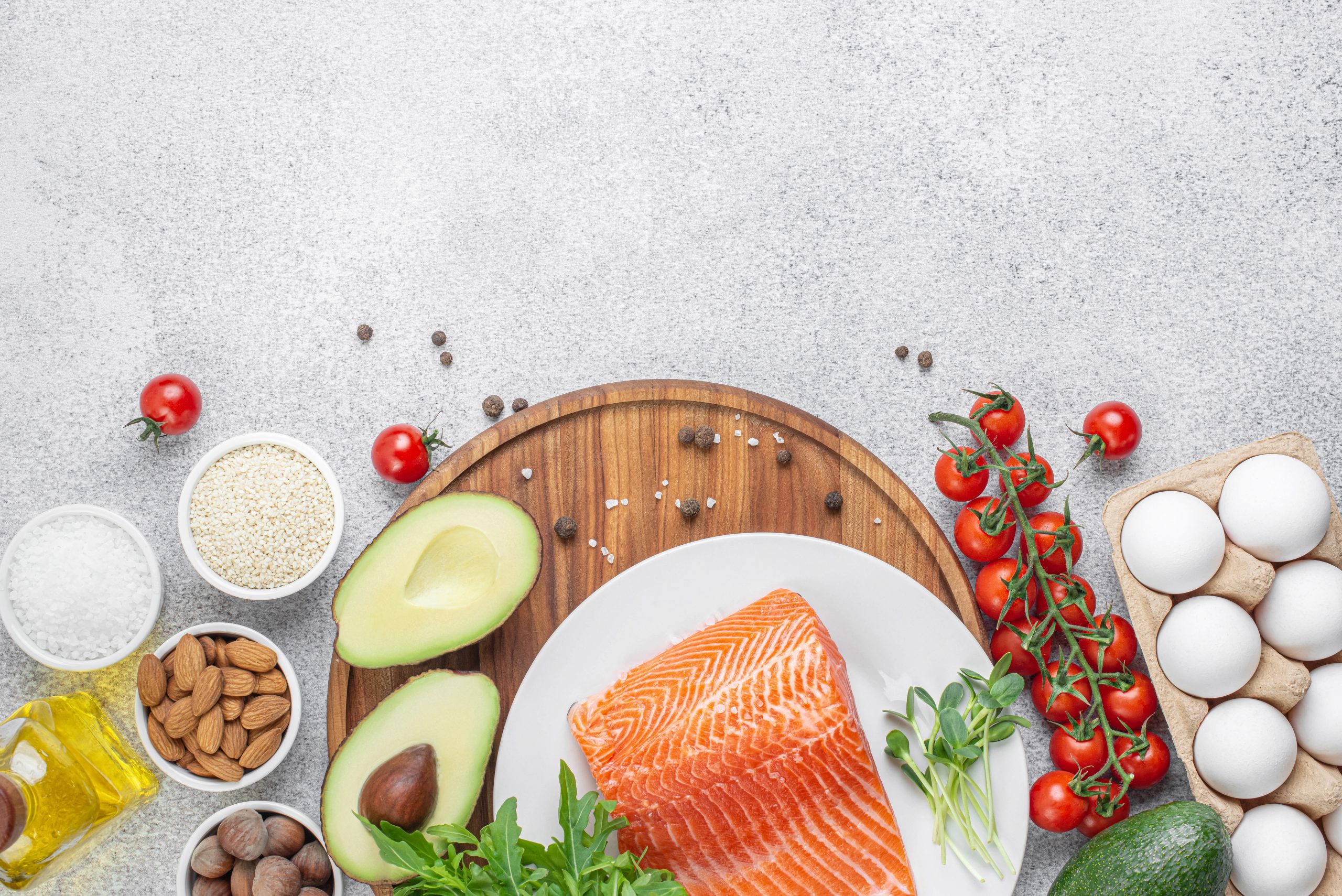
Vitamin D helps your body absorb calcium and is also important for muscle function. It comes from a relatively small number of foods, including fatty fish, egg yolks, and fortified foods such as milk and some plant beverages.
Because it can be hard to get enough from food alone, and because of where we live, vitamin D supplementation is often recommended. Here in Canada, sun exposure isn’t enough to meet our needs, especially between October and March, and it’s often recommended to take a supplement year-round, particularly as we get older.
Protein
Protein is a really important piece that not everyone is aware of. Your bones aren’t simply made of calcium.
They have a protein-based framework, and roughly a quarter to a third of our bone is protein.
Protein is also key for maintaining muscle mass and strength. As we age, keeping our muscle becomes increasingly important, because our muscles help us stay balanced, support our skeleton and reduce our risk of falls. So when you think about bone health, I want you to think about bone AND muscle health together.
Magnesium
Magnesium is involved in bone formation and mineral metabolism. You can find it in foods like nuts, seeds, legumes, whole grains and leafy green vegetables.
Vitamin K
Vitamin K is involved in making proteins that are important for bone. Good food sources include leafy green vegetables, broccoli and Brussels sprouts.
You don’t need to memorize a list
The good news is that you don’t need to memorize a list of nutrients or take a giant handful of supplements every morning.
If you’re eating enough overall and regularly including a variety of foods, you can support your nutrient intake without turning every meal into a nutritional calculation.
If you include a variety of fruits and vegetables, whole grains, legumes, nuts and seeds, calcium-rich foods and adequate protein, you’re likely getting many of these nutrients naturally.
And yes, all foods fit here, too. Your morning latte, a slice of pizza with plenty of cheese, or a yogurt parfait can all count toward your calcium.
It’s about the overall pattern, not eating perfectly at every meal.
The big takeaway: healthy bones need a well-nourished body, not just calcium.
Why does exercise matter for bone health, not just diet?
Nutrition gives your body the raw materials it needs to maintain bone. Your bones also need regular weight-bearing and resistance activity to stay strong.
Bones respond to mechanical loading, including the impact of weight-bearing activity and the forces created when muscles contract. The right types of exercise can help maintain bone strength, while resistance training also supports the muscle strength and balance that help protect against falls.
This is why nutrition and movement work together. You can meet your calcium and vitamin D needs, eat adequate protein, and still miss an important part of the picture if you’re not doing activities that challenge your bones and muscles.
The goal isn’t to exercise as much as possible. It’s to include movement that supports your bones in ways that are appropriate for your body and abilities. Three types of activity are particularly useful.
- Weight-bearing exercise is anything where you’re on your feet, moving your body against gravity. Walking, hiking, dancing, stair climbing and jogging all count. It’s especially good for the bones in your hips, spine and legs. Swimming and cycling are great for your heart and well worth including, but they aren’t weight-bearing, so you’ll want to add some weight-bearing activity too.
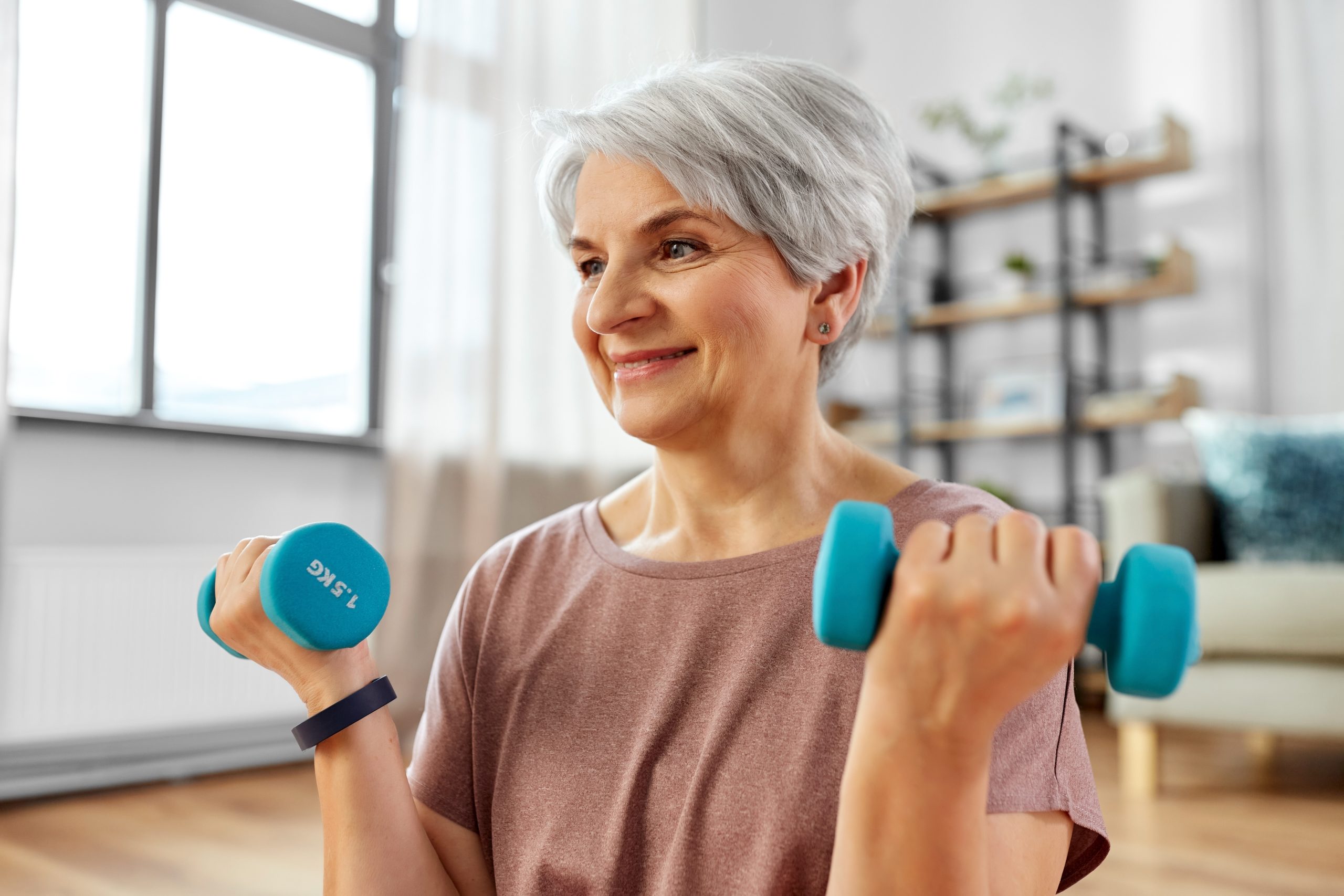
- Resistance training is anything that works your muscles against a load, whether that’s free weights, machines, resistance bands or your own body weight. It matters for two reasons: it puts direct stress on bone, and it builds and maintains the muscle that helps protect you from falls in the first place.
- Balance training doesn’t get talked about enough. Single-leg stands, tai chi or yoga help reduce fall risk, and a fracture usually starts with a fall.
You don’t need to become a powerlifter. Start where you are, build gradually, and find a routine you can realistically maintain.
If you have osteoporosis, a previous fracture, or significant balance concerns, a physiotherapist can help you identify appropriate exercises and movements. Some activities, particularly those involving forceful or repeated spinal bending or twisting, may need modification depending on your circumstances.
Consistency matters more than an all-or-nothing approach. You don’t have to overhaul your routine overnight. Start with what feels manageable and build from there.
So exercise isn’t a side note to the nutrition story. It’s the other half of it.
Can food alone support bone health, or are supplements needed?
For many people, food can provide much of what they need to support bone health. Supplements can be useful when intake is inadequate or individual circumstances create additional needs. The important thing is to identify what you’re actually missing rather than assuming that more supplements will automatically mean stronger bones.
For calcium, start with food
A lot of people assume they need a calcium supplement because they’re worried they aren’t getting enough from food. That may be the case, but I always want to start with food first. When you get calcium from food, you also get other vitamins, minerals and good stuff that a supplement doesn’t offer.
For women over 50, the general recommendation is around 1,200 milligrams of calcium per day from food and supplements combined. You can get calcium from foods like milk, yogurt, cheese, calcium-fortified soy beverages, calcium-set tofu, and canned salmon or sardines with the bones.
If you’re consistently falling short, a supplement can help fill the gap. The key is to add only what’s needed.
Vitamin D is a little different
There aren’t many foods that naturally contain much vitamin D, so supplementation is often practical, particularly in Canada.
More isn’t better
We don’t need enormous doses of vitamin D or calcium to try to prevent osteoporosis. More isn’t necessarily better, and in some cases it can actually be harmful.
If you eat mostly plant-based
If you eat mostly or entirely plant-based, this is worth a closer look with a dietitian. It’s completely possible to meet your calcium, protein and vitamin D needs on a plant-based diet. It just takes a bit more intention around food choices.
So, what should you actually do?
If you want to protect your bones as you age, I’d focus on a few basics:
- Eat enough. Getting enough food throughout the day gives your body the energy it needs in the moment, plus the nutrients that are so important for bone health.
- Get enough protein to keep both your bones and your muscles strong.
- Meet your calcium and vitamin D needs, so you’re not making withdrawals from your bone bank.
- Eat a varied, nutrient-dense diet to cover the other vitamins and minerals involved in bone formation.
- Move in ways that support bone and muscle. Include weight-bearing activity, resistance training, and balance work that you enjoy.
- Pay attention to your individual risk factors. Age, menopause, certain medications, medical conditions, family history, and previous fractures can all influence your bone health. If you’re concerned about osteoporosis, talk with your healthcare provider about whether a bone density assessment or other evaluation is appropriate.
The bottom line: Protect Your Bone Bank
Bone health isn’t something you suddenly need to worry about when you’re older. It’s something you’re building and protecting over your lifetime.
Think of these as gentle guideposts, not another set of rules to get perfect. Calcium matters, but it’s just one piece of a bigger picture. Eating enough, enjoying a variety of foods, staying active, and checking in with your healthcare provider all add up to stronger bones.
So yes, calcium matters. But your bones need a whole lot more than calcium.
Want support protecting your bones?
If you’re a woman looking for help protecting your bones as you age, our team of Registered Dietitians at Health Stand Nutrition can help you make sure you’re meeting all of your nutrient needs and don’t have any gaps through our in person and virtual nutrition counselling.
Reach out to our team to book a free discovery call and learn more about our nutrition programs and specialized dietitians.

Registered Dietitian, Dawn Peacock
women's health, weight concerns, emotional eating, celiac, ADHD, autism, bone health, meal planning
Dawn Peacock is a Registered Dietitian with over 20 years of experience helping clients simplify nutrition, reduce food stress, and build confidence in their eating habits. Known for her practical, compassionate approach, Dawn helps clients cut through the noise around food and find realistic strategies that work in everyday life.
