
Nutrition for Osteoporosis Prevention and Management 

A Dietitians guide to an osteoporosis diet and building stronger bones through nutrition
Osteoporosis is a disease that weakens bones over time, making them susceptible to fractures and breaks. This condition affects over 2.3 million Canadians and can have a significant impact on quality of life. Osteoporosis is known as the “silent disease” as bone changes are often unnoticed until a fracture occurs. Osteoporosis can happen at any age, although it is most common in those over 50 years old.
Adopting targeted lifestyle changes can help with both the prevention and management of osteoporosis. In this blog post, we will delve into how to support your bone health through nutrition, what an “osteoporosis diet” looks like and more.
Understanding Osteoporosis
Bones are living tissues! In healthy bone, there is a continuous process of bone remodeling where old bone tissue is replaced by new, strong bone. In osteoporosis, this balance is disrupted, and bone loss occurs faster than bone formation. Because of this, bone density and mass decrease with time resulting in more porous and fragile bones. This significantly increases the risk of fracture, including compression fractures in the spine.
What Increases the Risk for Osteoporosis?
- Age: the risk of developing osteoporosis increases with age as bone density decreases as we get older.
- Hormones: estrogen slows the breakdown of bone. For post-menopausal individuals, estrogen levels are significantly decreased resulting in an estimated 2-3% loss in bone density each year after menopause.
- Disordered eating/eating disorders: inadequate nutrition can significantly impact bone mass and density. Adolescents with eating disorders are at higher risk for low bone density as 80% of bone density is built between the age of 9 to 15 with peak bone mass being reached by age 30. If nutrition and hormone production are inadequate during this critical time, bone mass can be significantly impacted.
- Genetics: there are inherited genetic factors that impact bone development and can result in reduced bone density.
- Medical conditions and medication: medical conditions that impair the absorption of nutrients such as inflammatory bowel disease and celiac as well as long-term use of glucocorticoid drugs (i.e. prednisone, steroids) can result in reduced bone mass. Rheumatoid arthritis also increases the risk of osteoporosis.

Osteoporosis Diet Recommendations:
Wondering how nutrition affects osteoporosis and vice versa? I’ve unpacked the essential nutrients to keep your bones strong to prevent and manage osteoporosis.
1. Calcium: The Foundation of Strong Bones
Calcium is the cornerstone of bone health. Ensuring an adequate intake of calcium is essential in osteoporosis prevention.
Dairy products like these below are excellent sources of calcium:
- Milk
- Kefir
- Yogurt
- Cottage cheese and cheese
However, if you’re lactose intolerant or vegan, consider fortified plant-based alternatives such as soy milk, tofu, and leafy greens like kale and collard greens.
2. Vitamin D: The Calcium Regulator
Vitamin D plays a crucial role in calcium absorption and utilization. Your body needs vitamin D to make the most of the calcium you consume. Foods that contain vitamin D include:
- Fatty fish (salmon, mackerel)
- Egg yolks
- Fortified foods (e.g., fortified cereals and orange juice)
It is difficult to consume adequate vitamin D through diet alone, so it is recommended to take a vitamin D supplement of 1,000-2,000 IU daily.
3. Protein: The Building Blocks of Bones
Protein is essential for bone health as it provides the building blocks necessary for bone formation. Include protein sources like these in your diet:
- Poultry
- Meat
- Fish
- Beans
- Lentils
- Eggs
- Greek yogurt
Protein plays a vital role in collagen formation, which is a key component of bone structure.
4. Phosphorus: Partner in Bone Health
Phosphorus works with calcium to maintain strong bones. Foods rich in phosphorus include:
- Lean meats
- Dairy products
- Nuts
- Whole grains.
A balanced diet with adequate phosphorus helps support calcium in its bone-building role.
5. Magnesium: The Forgotten Mineral
Often overlooked, magnesium is crucial for bone health. It helps convert vitamin D into its active form and aids in calcium absorption. Find magnesium in:
- Nuts
- Seeds
- Whole grains
- Leafy greens.
Ensuring adequate intake of magnesium can contribute to better bone density.
6. Vitamin K: Bone Density Booster
Vitamin K plays a role in producing one of the main proteins found in bone. Vitamin K comes in two forms: Vitamin K1 and Vitamin K2. Vitamin K1 is found in green leafy and cruciferous vegetables such as spinach, kale, broccoli, and Brussels sprouts. Vitamin K2 is found in meat, poultry, egg yolks, cheese, dairy, and fermented soybeans (natto). Your gut also produces some vitamin K2.
Other Recommendations for Osteoporosis Management
Weight Bearing Exercise
Weight-bearing activities that are high or low impact place tension on our bones. This stimulates the production of bone and increases bone density, mass, and strength. Incorporating strength training with weights or resistance bands at least twice per week is recommended for bone health. Activities that have some impact on the bones/body are also helpful including running, walking, and dancing.
Quit Smoking/Vaping
Smoking weakens bones as it reduces blood supply to the bones and reduces the absorption of calcium. Nicotine in tobacco products also slows the production of the cells that are responsible for building bone.
Limit Alcohol
Alcohol negatively impacts calcium and vitamin D absorption and also negatively impacts the cells that form bone.
What Does an Osteoporosis Meal Plan and Bone Health Diet Look Like?
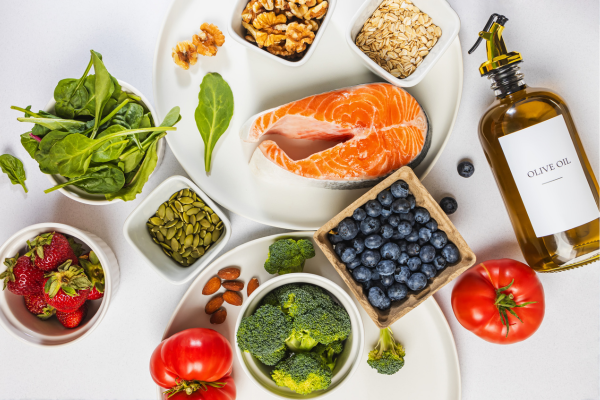
Focusing on a varied diet that includes nuts/seeds, leafy greens, and dairy or dairy alternatives throughout the day will help ensure adequate intake of calcium, magnesium, vitamin K, and phosphorus. Making sure you are eating regularly and enough is also super important for bone health. Here is an example of what a day to day diet looks like if you are eating for bone health and an osteoporosis meal plan example:
Breakfast
- 1 cup cooked oatmeal
- 1 cup of 2% milk or milk alternative
- 1/4 cup almonds
- 1/2 cup blueberries
- 1 teaspoon chia seeds
Snack
- 1/2 cup Greek yogurt
- 1/4 cup granola
Lunch
- 1 tortilla wrap filled with 1/4 cup hummus, 1/4 cup grated cheese, lettuce, cucumbers, diced tomatoes, 1 small grilled chicken breast sliced and Tzatziki Sauce
- 1 apple
Snack
- 1 Babybel cheese
- 1 medium orange
Dinner
- 1 servings of Tofu Peanut Stir Fry served over rice
Snack
- 2 cookies
- 1 cup steamed milk or milk alternative

Diet and lifestyle changes can have a significant impact on the prevention and management of osteoporosis. Consult with a healthcare provider or dietitian for personalized guidance, and together, you can pave the way toward a life with stronger, healthier bones.
Want to make sure you are following a balanced bone healthy diet for osteoporosis prevention or management? Our Dietitians can help!
Book an appointment with a Registered Dietitian on our team to help you personalize the advice for your own needs. We specialize in weight concerns, meal planning, eating disorders, sports nutrition, digestive health, pediatric nutrition and more!
Find out more about our Dietitian Consulting for Medical Issues like osteoporosis.
Check out these related posts on our blog:

Courtney Skanderup
Disordered Eating, Emotional Eating & Chronic Disease
Thoughtful and empathetic are words often used to describe Courtney. She strives to create genuine connections with clients and works to create an inclusive space for all. She is passionate about working with individuals struggling with health issues, yo-yo dieting recovery, disordered eating and helping clients feel at peace with food and their bodies.
...Read more
