
“Could I Be Deficient?” Breaking Down Common Nutrient Deficiencies 

“How do I know if I’m meeting the recommendations?”
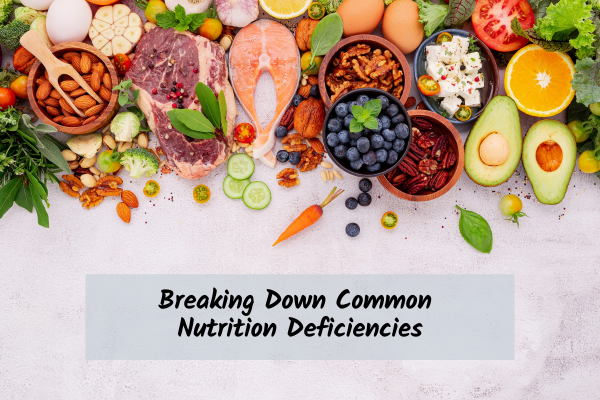
If you’re like many of my clients, you are currently juggling A LOT of balls right now – work, managing finances, paying bills, household chores, raising children, and your health and wellness are just a handful of examples. Time and time again I hear stories of overwhelm and burnout when it comes to managing all the responsibilities of life; and what tends to happen is that health and wellness fall to the back burner. If we continue to ignore our nutrient needs however, it may start showing up in other areas of your life, which only will make that juggling act even more difficult to keep up.
Keep reading to learn about some of the most common nutrient deficiencies, and for easy tips to help make sure you’re getting enough!
Here are some of the most common nutrient deficiencies in no particular order:
Iron
According to the World Health Organization, Iron deficiency is one of the world’s most common nutrient deficiencies, and particularly common in children and pregnant women.
Iron is a mineral which is essential for growth and development. Our bodies’ use iron to make hemoglobin, which is a protein in red blood cells that carries oxygen throughout your body. Iron also plays a role in muscle health, bone marrow and organ function.
Common iron deficiency symptoms include fatigue, increased heart rate, paleness and irritability.
How Much Iron Do I Need?

Iron Food Sources
There are two types of iron in our food – heme and non-heme. Heme iron is found in animal foods. Non-heme iron is found in plant foods. Heme iron is better absorbed in the body than non-heme iron. Tip: To help increase the absorption of non-heme iron, combine foods that contain iron with Vitamin C containing foods (think bell peppers, citrus fruit, berries, kiwi, broccoli etc..)
Examples of higher Iron foods:
- Beef
- Chicken
- Sardines
- Tuna
- Tofu
- Pumpkin seeds
- Soybeans
- Beans, lentils and chickpeas
- Fortified cereals
- Cooked spinach
- Whole grains
Vitamin D
Vitamin D is a fat soluble vitamin that is found in food and can also be made in your body after exposure to ultraviolet (UV) rays from the sun. Vitamin D plays an important role in bone health as it helps the body absorb and retain calcium and phosphorus. Also, vitamin D can reduce cancer cell growth, help control infections, support mood, reduce inflammation and more!
Canadians are at risk for deficiency of this Vitamin due to colder months limiting sun exposure, the use of sunscreen, and a limited amount of food sources offering a high enough amount to maintain blood serum levels.
Common Vitamin D deficiency symptoms include: muscle or bone pain, “pins and needles sensations”, weakness and bone fractures.
How Much Vitamin D Do I Need?

*includes food and supplemental intakes
Recent research suggests that the above recommendations may not offer the body enough of the vitamin to provide optimal bone health in addition to the many other functions we require. Many popular brand name supplements offer dosages of 1000 IU, 2000 IU and 2500 IU. This research abstract offers a nice summary of the above.
Speak with your doctor or pharmacist to determine the best option for you.
Vitamin D Food Sources and Supplementation
As mentioned earlier, it is challenging to meet daily Vitamin D recommendations through food alone, therefore it can be helpful to add a Vitamin D3 supplement to your daily routine. There are many formats you can find these days, such as Vitamin D drops, tablets and sprays.
Food Sources:
- Cow’s milk
- Fortified soy and rice beverages
- Fortified orange juice
- Fatty fish such as salmon and sardines
- Margarine
- Egg yolks
- Fortified yogurts (check the label)
Vitamin B12
Vitamin B12 is essential for red blood cell and DNA formation. It also plays a major role in the function and development of brain and nerve cells. As we get older, digestion changes and reduced acid production can inhibit the body’s ability to absorb Vitamin B12.
Common Vitamin B12 deficiency symptoms include: numbness, muscle weakness, psychological issues and balance and coordination issues.
How Much Vitamin B12 Do I Need?

Vitamin B12 Food Sources
Animal foods are the main source of Vitamin B12. Therefore, if you follow more of a plant based or vegetarian eating pattern, your main sources will fortified plant foods.
Examples of food Sources:
- Cottage cheese: 1 cup (1.5-1.7 mcg)
- Cow’s milk: 1 cup (1.1-1.4 mcg)
- Tuna: 2.5 oz (7.9-8.2 mcg)
- Salmon: 2.5 oz (2.3 mcg)
- Beef: 2.5 oz (1.3-2.5 mcg)
- Nutritional yeast: 1 tsp (1.0 mcg)
- Fortified cereals and Milk alternatives
Calcium
Calcium is a mineral which plays a major role in bone health, as well as helps with muscle contraction, heartbeat rhythm and nerve function. Calcium is so important, in fact, that almost all our cells require it to function properly.
Common symptoms of calcium deficiency include: bone fractures, confusion, memory loss, muscle spasms, weakness and muscle cramps.
How Much Calcium Do I Need?

Calcium Food Sources
- Cow’s milk
- Yogurt
- Fortified milk alternatives
- Almonds
- Beans
- Cheese
- Cottage cheese
- Canned salmon with bones
- Sardines with bones
- Soybeans
- Tofu
To learn more about calcium and find out how much you’re including each day, check out this helpful website.
How to Ensure You’re Meeting Nutritional Requirements?
If you’re curious to know if any symptoms you’re experiencing are related to nutrient deficiencies, it may be helpful to ask your doctor for a bloodwork requisition and to meet with a Registered Dietitian. Working with a dietitian can help you to gain peace of mind that you’re meeting your nutrient requirements, and they can help give you practical and personalized tips to help you feel your best.
Looking for nutrition support in managing your health and wellness?
Have additional questions about your nutritional wellness? Our qualified dietitian team can help!
Our Registered Dietitian / Online Nutritionist team has supported people with nutrition education and practical meal-planning ideas since 2000. We can work with you to simplify an eating plan that helps you take charge of your eating and feel your best.
Learn more about nutrition counselling for diabetes management or simply book a free consultation call below:
Looking for some recipe inspiration to help meet your nutrient needs? Here are some of my favourites:

Christine Devaney Towsley B.A.Sc., RD
Registered Dietitian & Online Nutritionist
Specialty: weight concerns, intuitive eating, heart
health, family nutrition, IBS (irritable bowel disease)
A nurturer at heart, Christine will always greet you with a smile and
attentive ear. Kind hearted, empathetic and sensitive to others,
Christine takes the time to connect, build trust and truly understand
each client and tailors her sessions to each person's specific needs.
...Read more
