
Tofu 101: Everything You Need to Know About Cooking Tofu 

Is tofu healthy? Get answers plus 5 simple ways to cook tofu!

Who knew bean curd could be so versatile and nutrient-dense?
Over the past few months, I’ve had several conversations with clients about tofu. Some of them have been interested in bringing more plant-based meals into their routine, while others have tried cooking it and it was a complete fail.
I’ve also gotten the question about the safety of consuming soy- which is something many people are curious about. Simply put, tofu is like a blank canvas, able to be transformed into a multitude of both sweet and savoury dishes, and enjoyed in various textures. It is also quite affordable and has a long shelf life- two qualities we can all appreciate, as grocery prices continue to rise.
Read on to learn what tofu is, some of the nutritional benefits of tofu, and tasty ways to incorporate tofu into your routine!
What Is Tofu Anyways?
Tofu, which is sometimes referred to as bean curd or soybean curd, is made from soybeans. The soybeans are crushed and boiled, then the pulp is separated from the rest of the mixture, often called the “milk”. From there, it gets curdled, pressed into a block, and sets into the desired texture. Oftentimes your local grocer will carry “extra firm”, “firm”, “medium” and “silken tofu”- which is a smoother, custard-like variation. Believe it or not, you may find it in other forms depending on your store’s availability. Click here to read more about the different textures and how you can use each.
Fun fact: edamame beans are soybeans that are harvested when young and immature, whereas soybeans are left to dry and harden before harvesting
Health Benefits of Tofu
- Protein: If you’re interested in bringing more plant-based proteins into your routine, Tofu is a fantastic option. Unlike other plant proteins, tofu contains all the essential amino acids. For every 3oz portion (which is comparable to the size of a deck of cards), you’ll get about 12g of protein.
- Calcium: Depending on the brand and firmness you choose, calcium ranges can vary. For example, more calcium sulfate is used when making firmer tofu, which could then provide upwards of 100mg of calcium per 3oz serving.
- Iron: Tofu can provide around 2mg of Iron per 3oz serving. As this is a plant-based, or “non-heme” iron source, including foods rich in vitamin C with your meal can help the body to better absorb it (think bell peppers, broccoli, tomatoes etc..)
- Heart health Benefits: Not only is tofu low in total fats, and very low in saturated fats, but research has shown that including soy regularly in the diet can help to lower cholesterol, and lower your risk of cardiovascular disease.
- Isoflavones: Soy is a primary food source of this class of compounds, which can exhibit anti-inflammatory, antioxidant, anticancer, and antimicrobial properties. If you want to nerd out and read more about isoflavones, click here.

Is Soy Safe to Eat?
This is such a common question that I get from my clients, and it’s understandable, considering the overwhelming amount of nutrition information there is out there! As mentioned earlier, soyfoods contain isoflavones, which are a type of plant estrogen (called phytoestrogen), and because of this, people get nervous about its potential hormonal impact.
These phytoestrogen compounds have a much weaker effect, and can actually support symptoms experienced in menopause, and help prevent breast cancer recurrence.
Whole soy foods such as edamame, soy milk, and tofu are safe for cancer patients, and eating soy regularly can help prevent cancer to begin with. In fact, rates of prostate and breast cancer are lower in Asian countries where soy foods are a regular part of an overall healthy diet.
Lastly, neither soy foods nor isoflavones affect testosterone levels, precocious puberty, or gynecomastia. To read more about soy myths, click here.
5 Ways to Cook With Tofu:
1. Stir fry it
Slice extra firm tofu and remove excess water with a tea towel. Cube it, pan-fry until golden, and add your favourite sauce. Now it’s ready to enjoy in wraps, rice bowls, pasta, you name it! You can also marinate tofu before pan-frying. Click here to try this recipe.
2. Scramble it
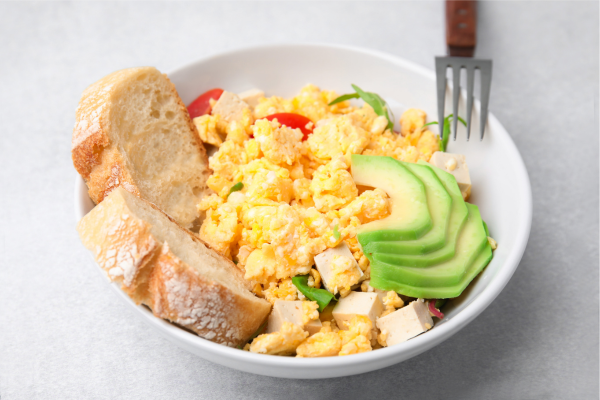
That’s right, you can use tofu instead of scrambled eggs if you so desire. These are a great option any time of day, in a wrap, with toast and roasted veggies, or simply on their own. Click here for inspo!
3. Make Pesto
Extra firm tofu can be blended alongside fresh basil, olive oil, lemon juice, pine nuts, and parmesan (or nutritional yeast). Add to whole-grain bowtie pasta for a delicious, protein-packed meatless meal.
4. Blend it
Silken tofu can add a wonderful creamy texture to your smoothies; and a punch of protein. Click here to try this banana coffee one!
5. Plant-based lasagna filling
Use silken tofu in place of ricotta in your next veggie lasagna recipe. Mix in nutritional yeast, Italian herbs, salt, and pepper before layering.
Looking for trending nutrition facts and healthy recipes?
Sign up for our weekly newsletter for a healthy recipe of the week and nutrition articles and videos with a balanced living philosophy to help encourage healthy habits but still save room for your favorites.
Our Sound Bites newsletter is written by the competent Nutritionists on our team who each hold a professional Registered Dietitian license to ensure you are getting credible advice.
Don’t miss out, subscribe to our newsletter today!
Looking for more tofu recipe ideas? Check out our other blog posts:

Christine Devaney Towsley B.A.Sc., RD
Registered Dietitian & Online Nutritionist
Specialty: weight concerns, intuitive eating, heart
health, family nutrition, IBS (irritable bowel disease)
A nurturer at heart, Christine will always greet you with a smile and
attentive ear. Kind hearted, empathetic and sensitive to others,
Christine takes the time to connect, build trust and truly understand
each client and tailors her sessions to each person's specific needs.
...Read more

I’m really enjoying smoked tofu. Does it contain nitrates or anything i should be concerned about? Thanks!
Hello Fran, Thanks for reaching out to us with your question. Smoked tofu like regular tofu is a great source of plant based protein and contains micronutrients such as iron, calcium and potassium. The smoke can come from tea leaves, or on wood chips or by adding liquid smoke. The smoking process can generate chemicals we don’t want to eat in a huge amount therefore I would say eating regular tofu would be preferred to smoked tofu if it is a food you eat often throughout your week (but if you occasionally eat smoked tofu then no worries at all – it is your entire diet that is more important overall than focusing on one single food).