
Recovery Nutrition for Athletes 

Fueling strategies for post-workout

Recovery is one of the most central topics of sport nutrition but it is also often misunderstood. What comes to mind when you think about recovery nutrition for athletes? Here are some examples that I have heard from clients and teams over the years:
- Protein
- Supplements
- Stretching
- Rest
These items are absolutely important, but they are not the full picture. To provide a better understanding of nutrition for athletic recovery, we can think about what the main goals are.
Four R’s of Athletic Recovery
- Repair: whenever we are training muscle, we cause damage. Damage to muscle is what leads to the rebuilding and strengthening. In order to repair and regenerate muscle for best training response we look for protein.
- Replenish or restore energy: we have just used up a large amount of energy. We also need energy now to repair the damage, the best source of energy is carbohydrates. This will also replenish the muscle glycogen (stored form of energy in muscle) that is used for power.
- Rehydrate: with sweating and breathing heavily, we get dehydrated. To help rehydrate we seek fluid and electrolytes (specifically sodium).
- Reinforce our systems or support overall health: exercise leads to cell damage and inflammation (we are overloading our systems with oxygen and breaking down muscle). To reinforce our immune systems and ultimately reduce the inflammation in the body we seek out quality, nutritious food.
Recovery is so much more than a supplement or protein post workout. Complete recovery can take up to 48 hours, yet marketing has really pushed the post-gym supplement narrative. We miss the mark when we only think about what we have immediately after training.
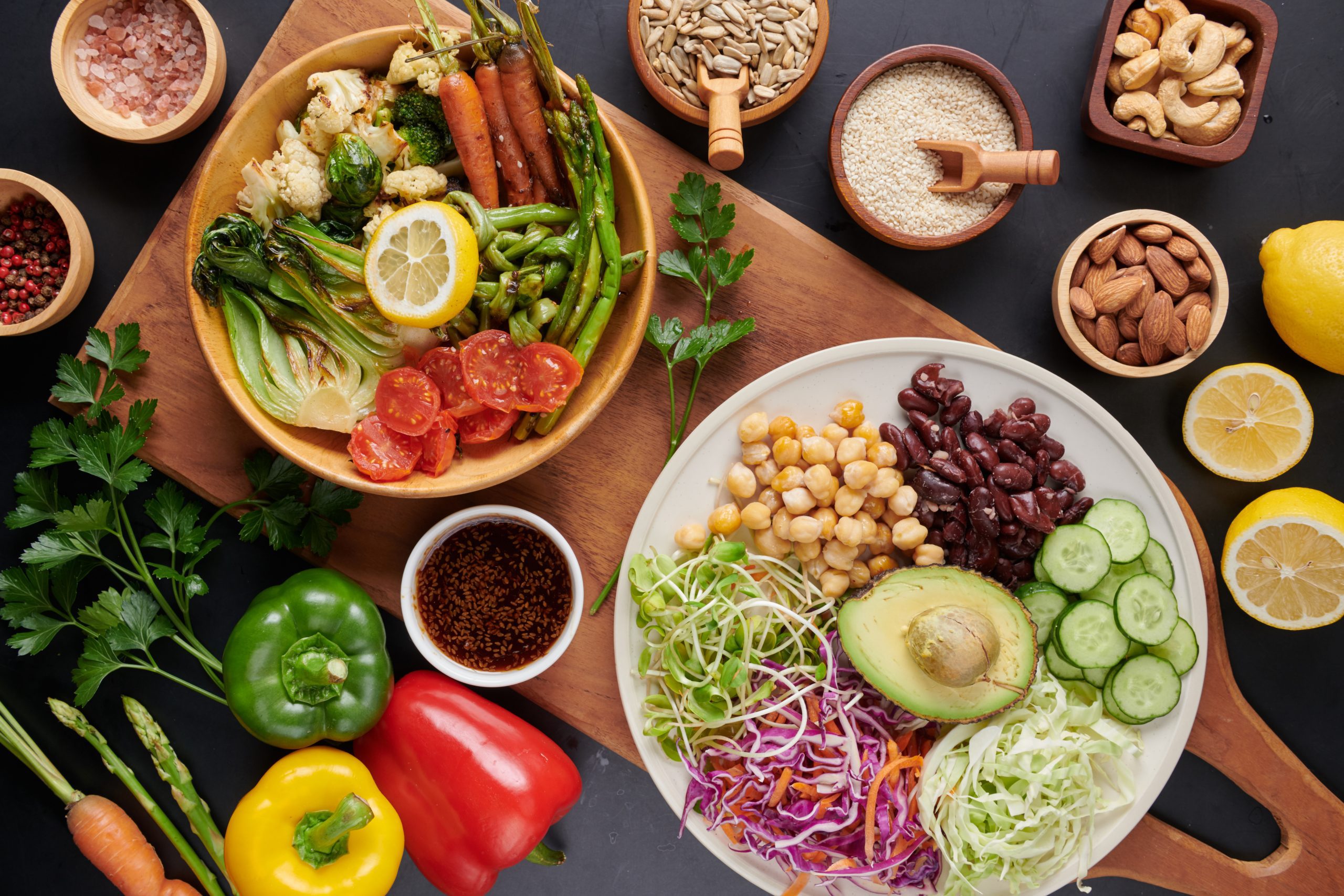
Athletic Recovery Essentials
Here are more recovery nutrition essentials that can help athletes with meeting the 4 R’s to recovery and support the body for the full 48 hours it takes to recover.
Have a recovery snack or meal within 15-60 minutes post-training that includes both carbohydrates and protein along with fluid.
Research suggests to include 0.2-0.4g per kilogram body weight of protein (generally between 20-30g protein) and 1-1.2g per kilogram body weight of carbohydrates within the first 60 minutes post exercise.
Ideas:
- Smoothie with fruit, Greek yogurt and milk
- Chocolate milk with a granola bar
- Greek yogurt mixed with cottage cheese, topped with fruit
Drink lots of water for the next 24-48 hours.
Focus on the colour of your urine– aim for a pale-yellow. It is difficult to give specific amounts of fluid to drink as everyone sweats at different rates. Your body tells you how much you need to drink every time your pee, use this as your gauge.
If you are a salty sweater (you taste the salt on your lips and see it on your clothing), choose an electrolyte replacement drink or salty foods for recovery snacks.
Eat a balanced meal within 2-3 hours of training.
Unless it was an evening workout – then focus on a balanced meal the next morning.
Recovery post workout gets the process started. The balanced meal and then eating every 2-4 hours for the rest of the day keeps the process going.
Balance looks like:
- Protein: again, aiming for the 20-30g target we did for post workout
- Color: include fruit or vegetables
- Grain: aim for whole grains
More Ways To Maximize Athletic Recovery
Recovery can also be maximized when we focus on getting an adequate amount of sleep and include stress-management tools. I want to emphasis that none of these things need to be 100%. Be gracious with yourself when life throws curveballs at you and you end up with a flat tire on the way home and miss out on your post workout snack, or when you have a new baby and sleep is out of the question. Start with what you can and simplify as much as you can. Have easy, on-the-go foods ready for when you are in a rush such as a protein bar, individual portions of Greek yogurt or stop at a gas station for milk.
Not every workout needs to be treated the same. If you are having a light, easy day, you will not need the same amount of recovery as you would on a heavy, high-intensity workout day. In saying that, I still highly recommend getting in a snack with a source of carbohydrate and protein, even if it is smaller, within 30 minutes.
I encourage you also to check out previous posts on pre-workout meals and snacks and RED-s or relative energy deficiency. It is common to not be getting in enough energy for the exercise or training being done, seek support if you notice any of the red flags that are mentioned in the RED-s article (such as loss of menstrual cycle, recuring injuries, poor training response, etc).
Heading out for a workout today? Start planning your recovery now… What will you have with you so you can ensure you get a snack in within 30 minutes?
Looking for sports nutrition support with an Online Sports Nutritionist?
Contact our team of specialized Dietitians for global online nutrition counselling and support!
Find out more about our 5 star rated nutrition counselling services or simply contact us below for a free consultation call.
Want to learn more about sports nutrition? Check out these blog posts!

Brought to you by our friendly Registered Dietitian team at Health Stand Nutrition Consulting Inc. For more balanced living advice check out our RESOURCE MEGA BANK of nutrition articles, videos, healthy recipes, newsletters and meal planning kits here: www.healthstandnutrition.com/personal-nutrition/resource-mega-bank/
