
The Mediterranean Diet Explained 

Get a food list for the Mediterranean diet and find out how one of the healthiest diets on the planet is now found to be even better

The Mediterranean Diet has been popular topic for a healthy lifestyle for many years. This diet is really a way of living that clearly includes nutritious foods but also the activities and social aspects of shopping, cooking, and sharing meals. The impact of the Mediterranean diet on health has continued to interest scientists for over 60 years. Research has not slowed down. Studies have found interesting details on what it is about certain foods and diets that reduce the risk of heart disease, type two diabetes, and some cancers.
Before we get to the newest healthful aspects of the Mediterranean Diet, let’s recap the main themes and featured foods that are considered important in this plant-based way of eating:
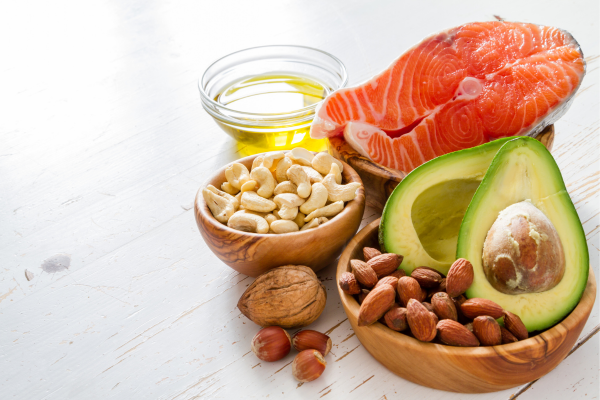
- High use of healthy fats found in olives, nuts, seeds, and cold water fish
- High intake of vegetables, legumes, lentils, and fruit as energy foods
- Protein food choices that include more dairy foods, eggs, legumes, and fish with less emphasis on meat
Mediterranean Diet Food List
Here is a list of foods that fall within the Mediterranean diet that you could include in your weekly groceries:
Vegetables: tomatoes, broccoli, spinach, kale, onions, sweet peppers, carrots, Brussels sprouts, cucumbers, potatoes, sweet potatoes, turnips
Fruits: apples, bananas, oranges, pears, peaches, plums, strawberries, grapes, blueberries, melons
Nuts, seeds, and nut butters: almonds, macadamia nuts, hazelnuts, walnuts, cashews, sunflower seeds, pumpkin seeds, almond butter, peanut butter
Legumes: beans, peas, lentils, pulses, peanuts, chickpeas
Whole grains: oats, brown rice, rye, barley, corn, buckwheat, whole wheat bread and pasta
Fish and seafood: sardines, trout, salmon, tuna, mackerel, shrimp, oysters, clams, crab, mussels
Poultry and eggs
Dairy: cheese, yogurt, milk
Herbs and spices: garlic, basil, mint, rosemary, sage, nutmeg, cinnamon, pepper
Healthy fats: extra virgin olive oil, olives, avocados, avocado oil
This list is only an overview to capture some of the more common food within the Mediterranean diet. These foods can be mixed and matched in many countless ways with foods not on this list as well. Keep scrolling to find some recipes to get started.
The Science Behind the Mediterranean Diet
Now let’s dive into the science! The Mediterranean diet’s scientific fame is associated with:
- A host of polyphenols
- A high ratio of polyunsaturated and monosaturated fat
- A high ratio of omega 3 fats to omega 6 fats.
These hallmark nutrients have anti-inflammatory properties and provide a rich source of antioxidants, compounds that help protect cells from damage caused by harmful free radicals.
Don’t you love it when a good food story simply gets better?
The Mediterranean Diet’s Impact on Gut Health and Mental Health
With the latest science buzz on the importance of the microbiome, foods in the Mediterranean diet play a key supportive role. This vast ecosystem of microorganisms inhabits our gastrointestinal tract, and rely on a steady feast of food fibers called prebiotics.
Research shows that the Mediterranean diet can significantly influence the make up and diversity of the gut microbiome, essential for digestive health and immune function.
With its influence on gut health, the Mediterranean diet also impacts the gut-brain axis – the feedback communication network between the gastrointestinal tract and the central nervous system. A healthy microbiome plays a crucial role in this connection, producing neurotransmitters and metabolites that can influence the brain. By fostering a diverse and balanced microbiome, the Mediterranean Diet may support mental well-being and cognitive function.
See the chart below for key nutrients in the Mediterranean Diet to add to your own diet:
| Polyphenols | Highly unsaturated dietary fat | High omega 3 fatty acids | Prebiotics/ fiber |
| Fruits & vegetables | Extra virgin olive oil | Nuts & seeds | Fruits & vegetables |
| Herbs & spices | Nuts & seeds | Fish & seafood | Herbs & spices |
| Extra virgin olive oil | Fish & seafood | Nuts & seeds | |
| Nuts & seeds | Whole grains | ||
| Whole grains | Legumes & lentils | ||
| Legumes & lentils |
The chart shows the food science categories and how the food groups show up in more than one! These food groups are available to us all, but the Mediterranean Diet has allowed for ongoing study in one part of the world. It is good news that we are free to share in the choices of one of the healthiest diet patterns on the planet. Remember, that having a healthy diet is all about balance. There are no bad foods, it’s your entire diet that counts!
For help and guidance incorporating the Mediterranean diet into your lifestyle or advice on attaining a healthful and soulful relationship with food and your body, connect with our friendly Registered Dietitian Team.
Are you seeking support to help to make healthy eating simple?
If you’re stuck with figuring out what, when, and how to eat, you’re not alone. Our registered dietitians offer nutrition counselling to help you reach your goals whether it’s increased energy, meal planning, health prevention, or gaining strategies to improve your relationship with food, we can help.
Learn more about our nutrition counselling services or simply contact us below to schedule a free consultation call.
Check out these delicious Mediterranean recipes below:

Brought to you by our friendly Registered Dietitian team at Health Stand Nutrition Consulting Inc. For more balanced living advice check out our RESOURCE MEGA BANK of nutrition articles, videos, healthy recipes, newsletters and meal planning kits here: www.healthstandnutrition.com/personal-nutrition/resource-mega-bank/
