
Anti-Inflammatory Foods For Everyday Eats! 

Nutrition for inflammation to maximize your health, reduce disease risks, and add life to your years
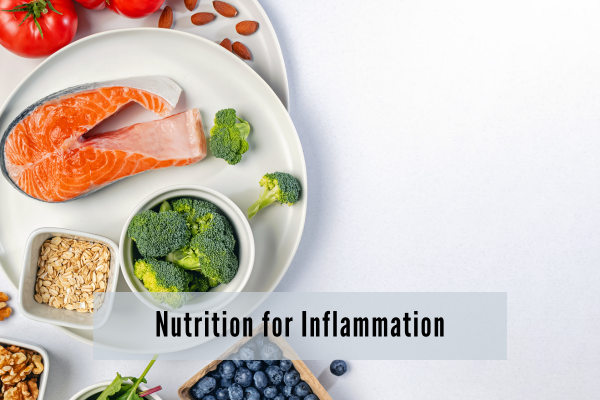
Have you noticed the media chat about inflammatory foods impacting health?
It might be helpful to know that while inflammation is a really important function of the body, to be able for us to heal from injury for example, too much or chronic inflammation isn’t ideal.
In this blog post, we’ll review trustworthy science that informs us on which anti-inflammatory foods to include more often to help reduce and improve inflammation in the body.
Scientific studies and medical practice have increasingly focused on body inflammation as a precondition of chronic health conditions such as heart disease, cancer, diabetes, and autoimmune disease including COPD, Arthritis, Crohn’s, Ulcerative Colitis, Lupus, and Multiple Sclerosis. Inflammation can occur for a variety of reasons including chronic stress, lifestyle factors, and persistent pain.
Chronic disease can cause long-term inflammation which can impact the following systems in our body:
- Digestive system
- Joints
- Skin
- Respiratory system
- Organs
Targeting inflammation with diet is a way to reduce symptoms of these conditions and improve your quality of life.
What is Inflammation?
Inflammation means there is a rise of free radical molecules in the body. Just like they sound, these are disconnected roaming radicals that initiate chain reactions that can cause cellular damage. Known to scientists as Radical Oxidative Species (ROS for short), they cause oxidative stress in different body systems. ROS in the nervous system can induce pain in the cardiovascular system and can result in artery hardening. In the brain they can induce mood dysfunction and even cellular hardening or shrinkage.
How is Diet and Nutrition Related to Inflammation? And What Foods Can Cause Inflammation?
Foods that contain antioxidants can be very supportive for helping to reduce inflammation in the body. This would include foods such as:
- Brightly coloured fruits and vegetables such as red cabbage, eggplant, bell peppers, berries, spinach, beets, pomegranates, and broccoli
- Green tea
- Nuts and seeds
- Spices and herbs
- Dark chocolate
No one single food causes inflammation. Paying attention to general dietary patterns and choosing a variety of foods is key. Taking an “add-in” approach and aiming to include more fruits, vegetables, whole grains, nuts and seeds in the diet can be beneficial. Some ideas for this include:
- Adding frozen berries and a handful of almonds to your breakfast cereal or oatmeal
- Having sliced bell peppers and hummus at a snack
- Sipping on green tea in the afternoon with a square of dark chocolate
Choosing ultra-processed foods and foods higher in sugar and sodium less often may be helpful to reduce inflammation. As many of these foods are convenient, tasty, and realistically part of our food lives this doesn’t mean these foods need to be eliminated completely. Instead looking for a balance between both healthful and soulful foods that feels best for your body.
What Are Anti-inflammatory Foods? Are there Anti-inflammatory Diets?
The closer your foods are to their natural whole form, the higher the antioxidants will be in your diet. Interestingly, there are ways of eating around the world where certain cultures have lower incidences of chronic diseases and longer life spans.
Specifically for lowering inflammation, the eating styles that have been backed by science to be anti-inflammatory are:
These anti-inflammatory diets have similarities and differences. The differences are based on the available natural plants and food types of the regions.
For example, the DASH diet emphasizes:
- Low salt foods
- Regular intake of lower-fat dairy foods
- An increase in fruits and vegetables.
The Mediterranean diet: Is based on age-old tried-and-true food intake of local foods available in that region of the world. It features:
- Fish
- A high intake of fruit and vegetables
- Use of olive oil rather than animal fats in cooking
- A higher intake of legumes and whole grains as sources of protein
The Indo-Asian diet features:
- A lower intake of meat
- Frequent use of spices like ginger, turmeric, cinnamon, dried peppers, rosemary, and basil
- A high intake of mushrooms, spices, fish, and sea vegetables.
The similarities of the three diet patterns are they prioritize the intake of whole fruits and vegetables, whole grains, plant-based proteins, fish, and vegetable oils.
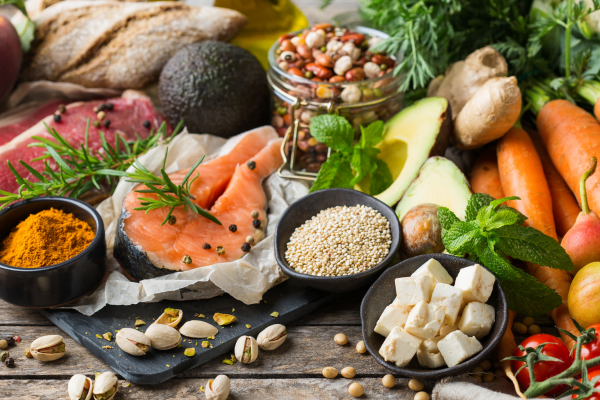
Vitamins in Anti-Inflammatory Foods
It’s likely no surprise that fruits and vegetables are key to healthy diets. This is because vitamins and minerals are antioxidants and a key factor in reducing inflammation. Vegetables and fruits high in bio botanical properties include those of deep colour like:
- Dark greens such as spinach, kale, or chard
- Orange such as squashes, pumpkin, or mango
- Red such as. Red cabbage, tomatoes, or cranberries
- Purples such as beets, grapes, or blueberries
Specifically, vitamins such as A, D, and C are known as antioxidant vitamins.
Studies have demonstrated that getting our antioxidants from food appears to be superior over getting them through supplements and multivitamins. The exception is Vitamin D because food sources are not usually sufficient for Canadians. Vitamin D dosages of at least 2,000 IU per day are often needed for general health for Canadians due to low sunshine exposure in the winter.
Another supplement that may be wise to include for inflammation is Omega 3 Fatty Acids. They are powerful antioxidants found in foods not common in every Canadian’s diet. Omega-3 fatty acids can be found in the following foods:
- Fatty fish
- Omega 3 eggs
- Crushed flax seed
- Wheat germ
- Hemp hearts
- Chia seeds
- Walnuts
If supplementation is your choice and you’ve reviewed this with your healthcare provider and Dietitian, read the label to see if the omega 3 product contains DHA 700 to 1000 milligrams and EPA 200 to 500 milligrams.
So What Now? How Can I Start Eating Anti-Inflammatory Foods?
It may not be easy to suddenly start including more vegetables, spices, olive oil, and reducing processed foods. Dietitians understand that is not a simple task to change the way we eat. Change happens over time – focus on progress over perfection! It is also important to recognize that good stress management, good sleep, and regular physical activity also support your body against oxidative stress.
If you’re wanting support in incorporating more anti-inflammatory foods into your diet in a sustainable joyful way, our qualified Dietitian team is here to help through our online and in-person nutrition counselling services.
Perhaps as you read along, you had ideas for your food change. Maybe it’s a switch to olive oil in your cooking, or two fewer passes through the fast-food lineup each week.
Wonderful recipes are always available on our Health Stand Nutrition Blog. How about a simple family dinner of Seasoned Chicken Drum Sticks and Greek Pasta Salad? Or dress dinner up with Honey Garlic Salmon served with roasted vegetables and rice?
If you are stuck on snack options, here are some new, fun options to try from this Healthy Snack List.
Struggling with creating sustainable nutrition patterns? Not sure where to start?
Our dietitian team is here to help! Contact us today to get started on your nutrition journey – it would be my joy to support you!
We first determine your food personality type and help you understand the science of food, nutrition, and what your body needs.
Then, we help you understand what to eat AND how to put it all into action at home and on the go for long-term success.
Along the way, we also help you understand how to achieve enough fun and flexibility to live a balanced life.
Our ultimate goal is that you love food and love the body you live in.
Learn more about personal nutrition counselling with a Dietitian on our team or simply contact us to see how we can help:
Why stop there? Learn more about healthy eating:

Brought to you by our friendly Registered Dietitian team at Health Stand Nutrition Consulting Inc. For more balanced living advice check out our RESOURCE MEGA BANK of nutrition articles, videos, healthy recipes, newsletters and meal planning kits here: www.healthstandnutrition.com/personal-nutrition/resource-mega-bank/

This newsletter is excellent!
Thank you, Lorrie. All the best to you for inflammation management!
Many Thanks to Health Stand Dietitian team for excellent articles, videos, newsletters, and healthy recipes. I am fighting inflammation now, and this article is very helpful.
Thank you Marija for letting us know you enjoy our content! Best wishes for your health journey!