
Nutrition & Your Thyroid: What to Eat for Hypothyroidism 

Dietitian tips for food, activity, and sleeping with an underactive thyroid
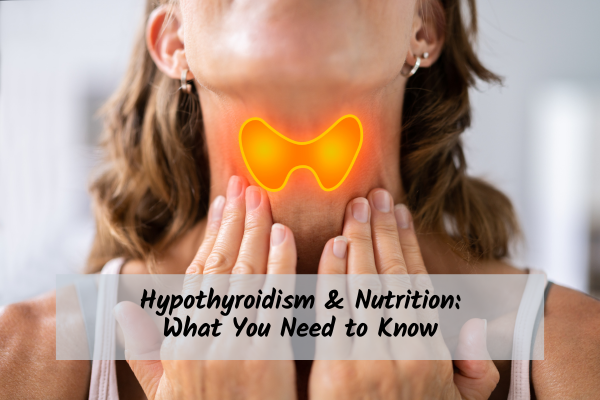
Your thyroid is a small but mighty organ that sits in the center of the throat to help direct metabolic functions. If you’re wondering if there’s a diet to boost thyroid function, your nutrition does play an important role in a few ways that I will discuss in this blog post.
Key Take Aways:
🍓 Hypothyroidism affects 10% of Canadians and can cause fatigue, weight gain, and low mood. A simple blood test can confirm the diagnosis, with treatment typically involving daily hormone replacement.
🍓 There’s no specific “thyroid diet,” but balanced meals, regular exercise, and healthy habits help manage symptoms.
🍓 Daily habits to support thyroid health:
- Eat balanced meals with protein and fiber.
- Stay hydrated and include digestion-friendly foods.
- Manage mood and energy with nutrient-rich meals.
- Prioritize good sleep hygiene.
🍓 Key nutrients for thyroid function include iodine, iron, selenium, and zinc. See below for a list of foods rich in these nutrients.
❗ Caution: Supplements like iodine may interfere with thyroid medication—focus on food sources instead.
Hypothyroid Symptoms & Diagnosis
If you are living with an underactive thyroid condition, you’re part of 10% of the Canadian population. Hypothyroidism has been found to cause:
- Weight gain
- Constipation
- Fatigue
- Low mood
- Cold intolerance
You can see that this small gland has a wide influence. The condition is based on the thyroid’s inability to pump out enough thyroid hormone. Extremely low hormone can lead to further concerns such as:
- Swelling of hands and feet
- High blood pressure
- Elevated cholesterol levels
But diagnosis is easy with a common blood test and treatment is usually a daily intake of a pill of synthetic replacement hormone to increase and regulate thyroid function.
Nutrition for Thyroid Health
Although there is not a specific underactive thyroid diet, healthy habits to support treatment and symptoms includes optimal exercise and food routines that I outline below.
Here are some questions to ask yourself:
- Does your exercise include muscle strengthening and cardio activities?
- When you look at your meals, do you see the plate half filled with vegetables, a quarter high fiber grain or starches and a quarter protein?
If you can say yes to both questions, you are self-managing hypothyroidism. Know too that these habits manage potential hypothyroidism weight gain in the same way.
4 Things to Do to Every Day When on Medication for Hypothyroidism
1. Choose foods to match your energy output
- Time meals to match your metabolism. The body is designed to need food every 4 to 6 hours.
- Avoid replacing food with stimulants such as caffeine or high sugar foods to provide false energy.
- Avoid skipping meals that often leads to eating more food at the end of the day.
2. Include foods to stimulate digestion
- Aim for high fiber foods at each meal such as whole grains, fruits and vegetables.
- Ensure good fluid intake through the day. Fluid works with fiber to move digested food through the system.
- Don’t be shy to take fiber supplements if needed. The average Canadian diet does not meet the daily need of 25 grams a day. Fiber supplements can help meet this target.
3. Optimize your mood with nutrient balanced meals
- Avoid fatigue by fueling with vitamin rich foods and staying hydrated.
- Sustain your energy level by including protein at all meals. Check out this list of protein sources.
- Anticipate potential mental lows that can be antagonized by the hormonal flux of the menstrual cycle. Be kind to yourself in moody times with nutritious treats to avoid sugar cravings.
4. Set yourself up for a good night’s sleep
- Sleep hygiene describes ways to fall and stay asleep at night. Read the list below and see what you can add to your routine.
- Go to sleep and get up at the same time each day.
- Take time to relax before bedtime each night. Some people read a book, listen to soothing music, or soak in a warm bath.
- Try not to watch television or use your computer, cell phone, or tablet in the bedroom.
- Keep your bedroom at a comfortable temperature and as quiet as possible.
- Use low lighting in the evenings and as you prepare for bed.
- Exercise at regular times each day but not within 3 hours of your bedtime.
- Avoid eating large meals close to bedtime
- Choose water, milk or herbal teas close to bedtime. Caffeine or alcohol close to bedtime will impact your sleep cycle
2 Things to Consider When Making Meals to Support an Underactive Thyroid
Many of us look for foods to treat hypothyroidism. In a generalized way, foods of the antioxidant diet support the hormonal system that could be under stress of other health or environmental conditions.
An anti inflammatory diet of a very high intake of plant foods and healthy fats helps at the cellular level. More about the anti-inflammatory diet.
But are there specific nutrients that support the thyroid?
Nutrients & Foods for Hypothyroidism:
Nutrients specific for thyroid hormone balance include iodine, iron, selenium and zinc. A varied nourishing diet that includes whole grains, leafy greens, root vegetables and fish provide these nutrients. Supplementation of these nutrients is not warranted and not advised. For example, iodine supplements can compete with the synthetic hormone treatment.
But for overall support of your thyroid and nutritional health overall, consider including food choices from the list below:
Iodine rich foods:
- Seaweed, cod, shrimp, dairy foods, iodized salt
Iron rich foods:
- Liver, red meat, seafoods, dark leafy green vegetables, legumes
Selenium rich foods:
- Brazil nuts, tuna, halibut, turkey, brown rice
Zinc rich foods:
- Red meat, seeds, nuts, shellfish

I hope that this overview on nutrition for thyroid health has helped! For delicious meals to support thyroid health, why not try any of these tasty Health Stand Nutrition recipes?
Looking for nutrition support in managing your health and wellness?
Have additional questions about your nutritional wellness? Our qualified dietitian team can help!
Our Registered Dietitian / Online Nutritionist team has supported people with nutrition education and practical meal-planning ideas since 2000. We can work with you to simplify an eating plan that helps you take charge of your eating and feel your best.
Learn more about nutrition counselling for diabetes management or simply book a free consultation call below:
Looking for more ideas for healthy habits with hypothyroidism?

Brought to you by our friendly Registered Dietitian team at Health Stand Nutrition Consulting Inc. For more balanced living advice check out our RESOURCE MEGA BANK of nutrition articles, videos, healthy recipes, newsletters and meal planning kits here: www.healthstandnutrition.com/personal-nutrition/resource-mega-bank/
